How much does a kitchen remodel cost in 2026? A small cosmetic update may cost $10,000 to $25,000. A midrange remodel may cost $25,000 to $65,000. High-end projects usually cost $65,000 to $130,000, while luxury remodels start at $130,000. The final price depends on the kitchen size, cabinets, countertops, appliances, labor costs, location, and whether you change the layout.
This guide explains what you may get at each budget level, how kitchen size affects the price, and where the money usually goes. It also shows the same kitchen at four budget levels, using the same photo and camera angle.
Plan to spend $10,000 to $25,000 for a cosmetic kitchen update, $25,000 to $65,000 for a midrange remodel, $65,000 to $130,000 for a high-end remodel, or $130,000 and up for a luxury kitchen. Keep an additional 10% for unexpected costs, or 15% to 20% for an older home or a project that includes demolition.
How Much Does a Kitchen Remodel Cost in 2026?
Kitchen remodel costs depend on how much work you need, the materials you choose, and if you change the layout. These four budget levels can help you plan your project.
| Remodel type | Typical cost | What it may include |
|---|---|---|
| Cosmetic refresh | $10,000 to $25,000 | Cabinet painting or refacing, paint, hardware, lighting, backsplash, and a few replacements |
| Midrange remodel | $25,000 to $65,000 | New cabinets, countertops, flooring, appliances, sink, backsplash, and lighting |
| High-end remodel | $65,000 to $130,000 | Custom or semi-custom cabinets, premium materials, better appliances, utility work, and possible layout changes |
| Luxury remodel | $130,000 and up | Custom cabinetry, premium stone, professional appliances, structural work, and major layout changes |
How We Sourced These Numbers
We checked current kitchen cost guides from Angi, HomeAdvisor, Fixr, Houzz, HomeGuide, and the Cost vs. Value report. Each source studies different projects, so its average and cost range may differ. Angi reports an average kitchen remodel cost of $26,945, based on 13,100 verified projects. Most projects in its data cost between $14,589 and $41,559. HomeAdvisor currently lists the same average and range. Fixr reports an average of $27,000, with most projects costing between $15,000 and $45,000.
The four budget levels in this guide are planning ranges based on the costs and project types listed by these sources. They are not contractor quotes. Kitchen size, materials, appliances, location, labor, and layout changes can increase or lower the final cost.
How to Plan a Kitchen Remodel
- Set Your Kitchen Remodel Budget: Choose a budget based on the work, materials, and appliances you need.
- Decide What Needs to Change: List the cabinets, countertops, appliances, flooring, and lighting you want to replace.
- Keep or Change the Layout: Keeping the sink, range, walls, and utility lines in place can reduce the cost.
- Estimate the Project Cost: Use the kitchen remodel cost calculator to create an early planning estimate.
- Compare Contractor Quotes: Get at least three detailed quotes and check what each price includes.
- Keep Money for Unexpected Costs: Keep an additional 10%, or 15% to 20% for an older home or a project with demolition.
What Each Budget Actually Buys
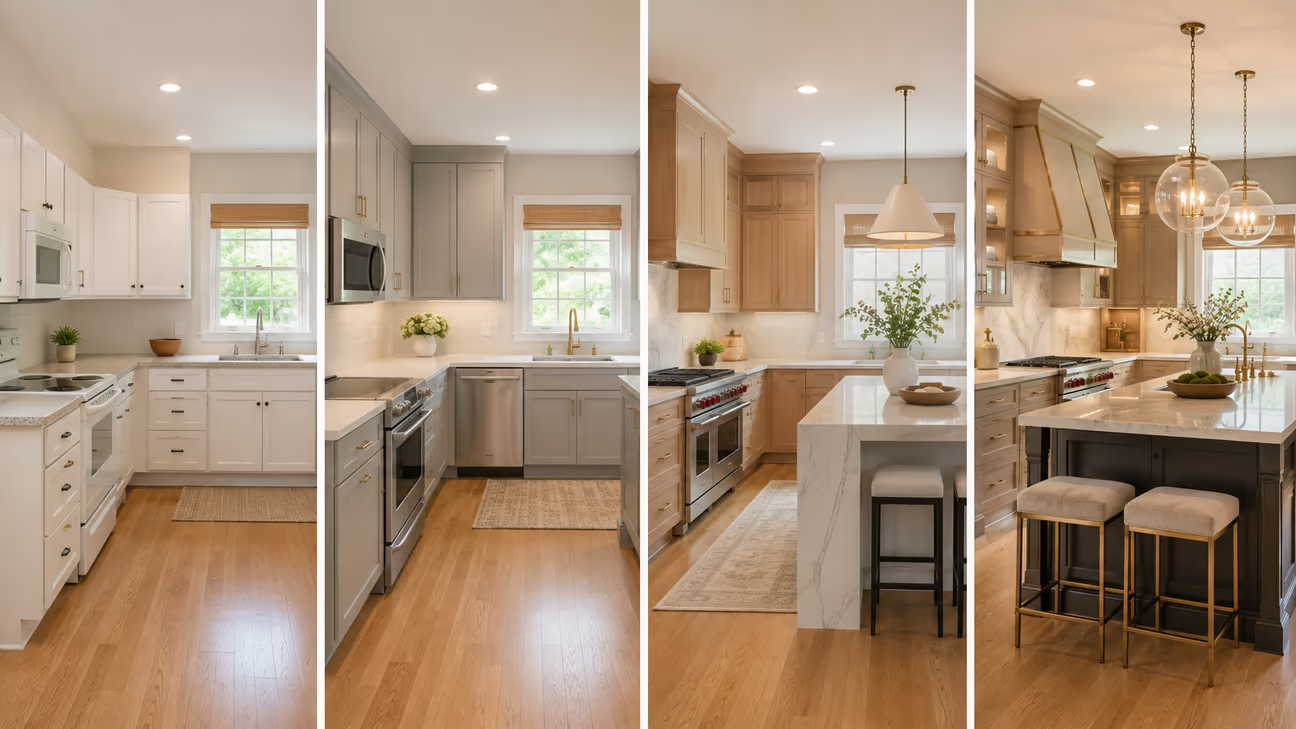
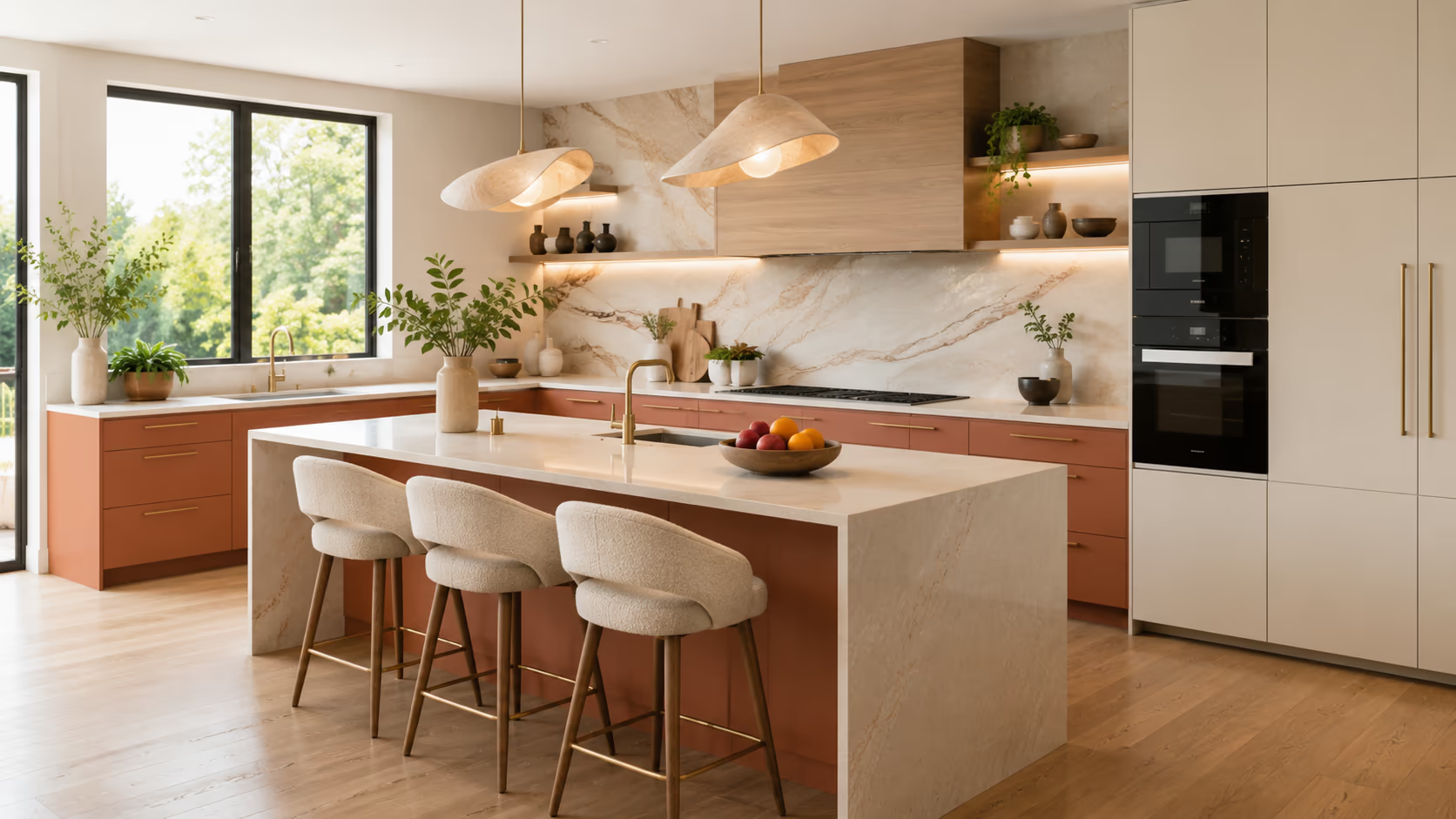
Cost ranges are easier to understand when you can see what each budget may cover. The four examples below show the same kitchen at four different budget levels. Each image keeps the same room size, walls, windows, and camera angle.
These images are design examples, not contractor quotes. Your final cost will depend on the kitchen size, materials, appliances, local labor costs, and the work included in the project.
Cosmetic Refresh: $10,000 to $25,000
A cosmetic refresh changes how the kitchen looks without changing the layout. The cabinet boxes, sink, main appliances, walls, and utility lines usually stay where they are. A $10,000 budget can cover a small kitchen update with limited work. It usually will not cover new cabinets, new flooring, premium countertops, several new appliances, and moved plumbing all at once.
With this budget, you may get:
- Painting or refacing the cabinets
- New cabinet doors and drawer fronts
- New handles and knobs
- New wall paint
- A simple backsplash
- Basic lighting updates
- A new faucet or sink
- Laminate, butcher block, or basic quartz countertops
- One or two new appliances
Midrange Remodel: $25,000 to $65,000
A midrange remodel updates more of the kitchen but keeps the same layout. The sink, range, gas line, and main walls usually stay in place. This can lower plumbing, electrical, flooring, and labor costs. You can spend more on cabinets, countertops, appliances, and finishes.
With this budget, you may get:
- Stock or semi-custom cabinets
- Quartz or granite countertops
- A new backsplash
- New flooring
- A standard appliance package
- A new sink and faucet
- Ceiling and task lighting
- Pull-out shelves and other cabinet storage
High-End Remodel: $65,000 to $130,000
A high-end remodel can change the kitchen’s look, layout, and use. It may include custom cabinets, better appliances, and high-quality materials. Moving the sink, range, island, or walls can add plumbing, electrical work, flooring, permits, and inspection costs.
With this budget, you may get:
- Custom or premium semi-custom cabinets
- Premium stone countertops
- Upgraded or built-in appliances
- A larger or redesigned island
- New flooring
- Custom lighting
- Moved plumbing, wiring, or gas lines
- Changes to walls, doors, or walkways
- Professional design and project management
Luxury Remodel: $130,000 and Up
A luxury remodel include with custom cabinets, high-quality materials, professional appliances, major layout changes and expand the kitchen or remove walls. Larger budget gives you more choices that can affect home value.
With this budget, you may get:
- Fully custom cabinetry
- Large stone slabs and custom countertop edges
- Professional or built-in appliances
- Cabinet panels for appliances
- Custom woodwork
- Premium flooring
- Custom and layered lighting
- Built-in storage
- Structural changes
- Major plumbing, electrical, and ventilation work
- Professional design and project management
Kitchen Remodel Cost by Size
Kitchen size affects the cost, but the type of work also matters. Replacing all the cabinets and appliances costs more than painting the cabinets and changing the backsplash, even in the same kitchen. The 2026 U.S. Houzz Kitchen Trends Study divides kitchens into two sizes: under 250 square feet and 250 square feet or more. It also separates major remodels from minor updates.
| Kitchen size | Minor remodel median | Major remodel median |
|---|---|---|
| Less than 250 square feet | $20,000 | $46,000 |
| 250 square feet or larger | $25,000 | $75,000 |
Houzz defines a major remodel as a project that replaces at least all the cabinets and appliances. A minor remodel replaces only some cabinets and appliances. The overall median was $20,000 for a minor remodel and $55,000 for a major remodel. These figures are reported medians, not price quotes. Your cost may be higher or lower depending on the cabinets, countertops, appliances, labor rates, location, and layout changes.
How Much Does a 10x10 Kitchen Remodel Cost?
A 10x10 kitchen has about 100 square feet of floor space. Remodeling companies often use this standard size to compare cabinet packages and project costs. According to HomeGuide, remodeling a 10x10 kitchen costs $15,000 to $25,000 on average. This may include cabinets, countertops, appliances, flooring, and lighting. Keeping the existing layout and choosing stock or semi-custom materials can help control the price.
Custom cabinets, premium countertops, expensive appliances, and major electrical or plumbing work can raise the total above $25,000. Moving the sink, range, walls, or utility lines may increase it further. If your kitchen is tight on space, our guide to small kitchen redesigns that actually work shares practical ideas for using a small kitchen more effectively.
Estimate Your Own Kitchen Remodel Cost
The numbers above are general estimates for the U.S. This calculator gives you a more personal estimate. It looks at your kitchen size, the type of work you want, the finish level, and where you live. You can also see how the cost changes when you choose different work.
For example, changing the layout can raise the cost because moving sinks, ranges, walls, or utilities needs more work.
Compare the work included in each contractor quote, not only the final price. One quote may include appliances, permits, delivery, waste removal, and painting, while another may charge for them separately.
Why Similar Kitchens Can Have Different Costs
Two kitchens can be the same size but cost very different amounts. Room size shows how much material may be needed, but it does not show the quality of the materials or how difficult the work will be. The main cost differences include:
- Cabinets: Stock cabinets cost less than semi-custom or custom cabinets.
- Countertops: Laminate usually costs less than quartz, granite, or premium stone.
- Appliances: Premium appliances cost more and may need new wiring, plumbing, gas lines, or ventilation.
- Layout: Keeping the sink, range, refrigerator, and dishwasher in place usually costs less than moving them.
- Repairs: Damaged walls, uneven floors, old wiring, or leaking pipes add more work.
- Extra storage: Islands, pantries, and built-in cabinets require more materials and labor.
- Location: Contractor and material prices vary by city and region.
- Permits: Plumbing, electrical, gas, and structural changes may require permits and inspections.
For example, one 160-square-foot kitchen may use stock cabinets, laminate countertops, and basic appliances. Another kitchen of the same size may use custom cabinets, quartz countertops, premium appliances, and a new layout. The second kitchen will cost much more even though both rooms have the same floor area.
Where the Money Actually Goes
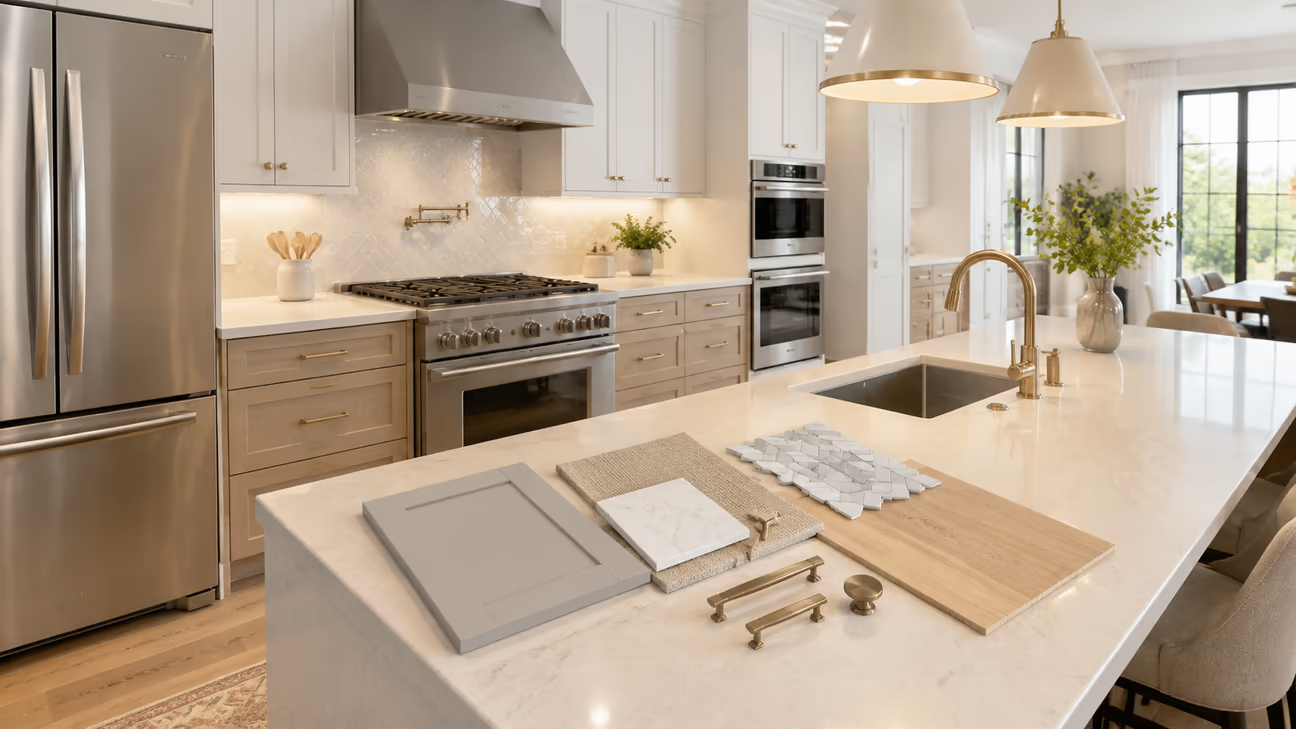
A kitchen remodel includes more than cabinets and countertops. The budget may also need to cover appliances, flooring, lighting, plumbing, electrical work, permits, delivery, installation, and disposal.
Cabinets
Cabinets are often the largest material cost. Fixr estimates that cabinetry can take about 40% of the total remodeling budget, although the share depends on the project. Fixr lists these installed cabinet prices:
- Stock cabinets: $100 to $300 per linear foot
- Semi-custom cabinets: $150 to $650 per linear foot
- Custom cabinets: $500 to $1,200 per linear foot
- Cabinet painting: $2,500 to $6,500
Before replacing every cabinet, check the cabinet boxes. Strong boxes may only need new doors, drawer fronts, paint, or hardware.
Countertops
HomeLight estimates that new countertops cost about $1,850 to $4,455. The final price depends on the material, counter size, edge style, cutouts, and installation. Large islands, thick slabs, waterfall edges, and premium stone can cost more. Check which material is included in each contractor quote.
Appliances
According to Fixr, a full kitchen appliance package usually costs $2,500 to $15,000. High-end packages can cost more than $25,000. The purchase price may not include:
- Delivery
- Installation
- Old appliance removal
- Electrical updates
- Gas connections
- Water lines
- Ventilation
- Cabinet changes
Check these costs before choosing a refrigerator, range, dishwasher, oven, or range hood.
Flooring
Fixr reports that replacing a kitchen floor costs just under $5,000 on average. The total depends on the floor area, material, labor, and preparation work. An uneven or damaged subfloor must be repaired before the new flooring is installed. Matching the kitchen floor with a nearby room may also add labor and material costs.
Backsplash
HomeGuide estimates that a kitchen backsplash costs $500 to $1,700. The final cost depends on the backsplash size, tile material, surface preparation, and pattern. Simple tile patterns usually take less time to install. Herringbone, mosaic, handmade tile, natural stone, and full-height backsplash designs can cost more.
Labor
Labor estimates vary because sources count the work differently. HomeLight says installation and labor may take about 25% of the budget. Fixr estimates that labor may account for 50% to 60%. Some estimates include plumbers, electricians, installers, project management, and other workers within the labor total. Others list some of these costs separately. Ask for itemized quotes so you can compare the same work.
Plumbing, Electrical, and Gas Work
Fixr estimates that limited plumbing and electrical changes can add $1,000 to $4,000. A new gas line may add $200 to $1,300.
The price can increase when workers need to open walls, move utility lines, add appliance circuits, replace old wiring, or repair damaged pipes.
Permits
Fixr estimates that kitchen remodeling permits usually cost $450 to $2,500. The amount depends on the location and type of work. Plumbing, electrical, gas, structural, and layout changes may require permits and inspections. Check the requirements with your local permit office before construction begins.
Kitchen Remodel Costs That Are Easy to Miss
A contractor quote may not include every repair or extra expense. Ask for a detailed quote that lists the work, materials, labor, permits, delivery, installation, waste removal, and cleanup. Keep an extra 10% of your budget for unexpected costs. For an older home or a remodel with demolition, keep 15% to 20%. If you plan to hire a designer, read this guide to interior designer costs.
Extra costs may include:
- Water damage or mold behind cabinets
- Damaged or uneven floors
- Old wiring or new appliance circuits
- Leaking or old pipes
- Ventilation changes
- Wall repairs after demolition
- Permit and inspection fees
- Delivery and return fees
- Waste removal
- Painting and final repairs
- Appliance installation
- Storage for appliances or materials
- A temporary kitchen
- Takeout or restaurant meals
How Long Does a Kitchen Remodel Take?
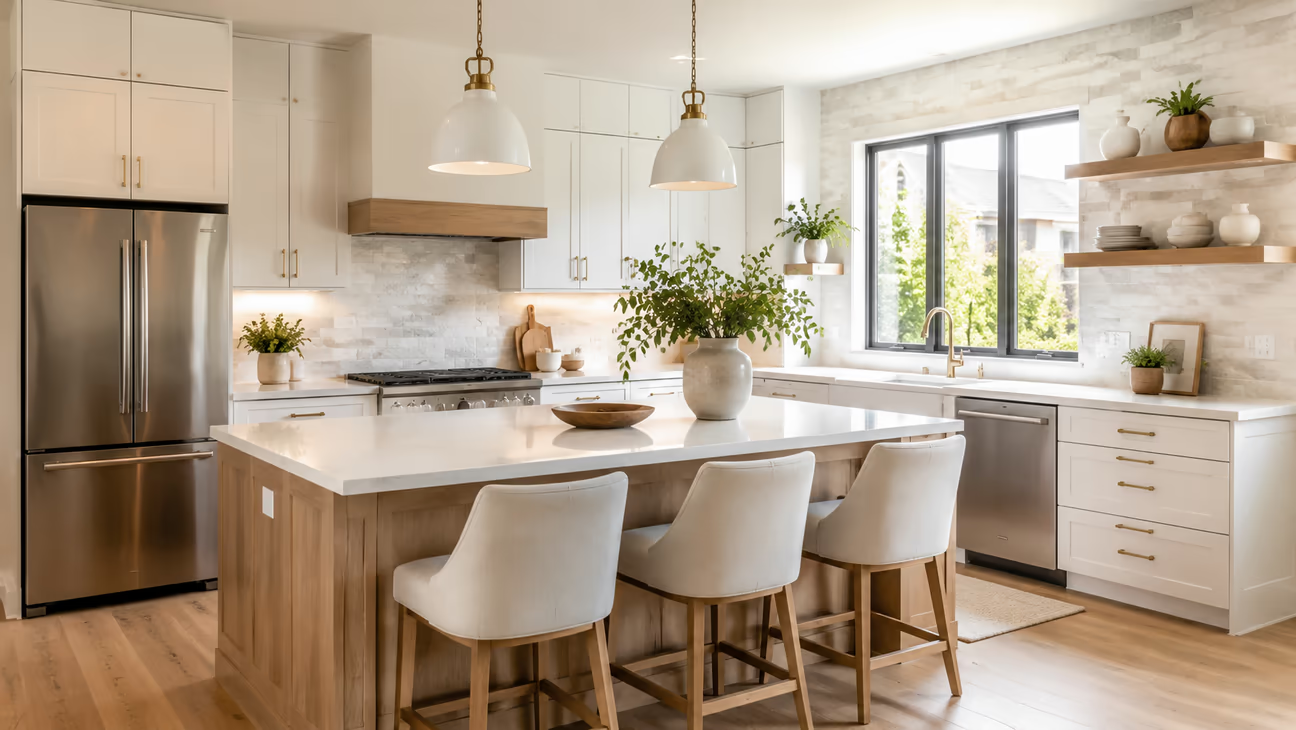
HomeGuide estimates that most kitchen remodels take 6 to 9 weeks. Larger projects may take 3 to 5 months when they include structural changes, custom-made items, or moved plumbing and electrical lines.
| Project type | Typical timeline |
|---|---|
| Standard kitchen remodel | 6 to 9 weeks |
| Large or full remodel | 3 to 5 months |
The timeline may increase because of permit delays, late materials, custom cabinets, hidden damage, failed inspections, or changes made after construction begins.
How to Reduce Kitchen Remodel Costs
You can lower the cost by keeping the project simple and making important choices before construction starts.
- Keep the current layout: Leaving the sink, range, refrigerator, dishwasher, walls, and utility lines in place reduces plumbing, electrical, gas, and building work.
- Reuse strong cabinet boxes: If the boxes are in good condition, consider painting, refinishing, or refacing them instead of buying new cabinets.
- Choose stock or semi-custom cabinets: These usually cost less and arrive faster than custom cabinets.
- Compare materials: Laminate, butcher block, quartz, tile, and stone have different prices. Compare the full installed cost, not only the material price.
- Keep working appliances: Replace only the appliances that are damaged, unsafe, or unsuitable for the new kitchen.
- Choose materials and appliances early: Late decisions may cause delivery fees, delays, and extra contractor work.
- Limit custom work: Custom cabinets, special woodwork, thick stone, unusual tile patterns, and made-to-order items raise material and labor costs.
- Do simple work yourself: Painting or removing small items may reduce labor costs. Leave electrical, gas, plumbing, structural work, and difficult cabinet installation to qualified workers.
- Get three itemized quotes: Ask each contractor to list demolition, cabinets, countertops, appliances, flooring, plumbing, electrical work, permits, delivery, disposal, painting, and cleanup.
- Compare what each quote includes: For example, a $55,000 quote may leave out appliances, permits, painting, or waste removal, while an $85,000 quote may include them. Compare the listed work before choosing the lower price.
- Plan before requesting quotes: Use this guide to designing a kitchen from scratch to organize the layout, storage, materials, and appliances before meeting contractors.
Is a Kitchen Remodel Worth It?
A minor midrange remodel had the highest estimated return. It improves the kitchen without a full replacement or major changes. A major remodel may make sense if the kitchen has a poor layout, damage, old plumbing, unsafe wiring, or little storage. It can also be a good option if you plan to stay in the home for many years.
HomeLight recommends spending about 5% to 15% of the home's value on a kitchen remodel if resale value is a main goal. Use this as a guide, not a fixed rule. Local home prices, buyer needs, materials, and home condition can affect the return.
The 2025 Cost vs. Value report lists these national estimates:
| Project type | Project cost | Added resale value | Cost recovered |
|---|---|---|---|
| Minor midrange remodel | $28,458 | $32,141 | 112.9% |
| Major midrange remodel | $82,793 | $42,130 | 50.9% |
| Major upscale remodel | $164,104 | $58,561 | 35.7% |
Preview Kitchen Colors and Materials With DecorAI
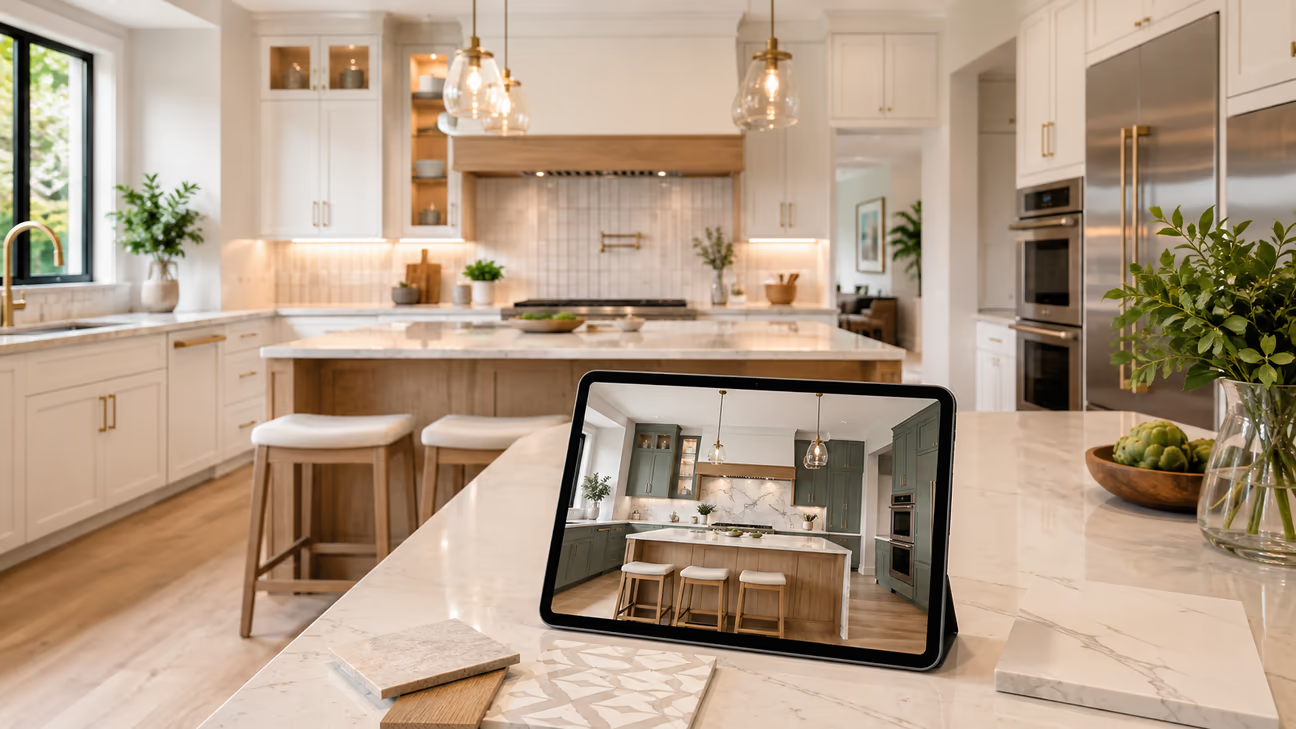
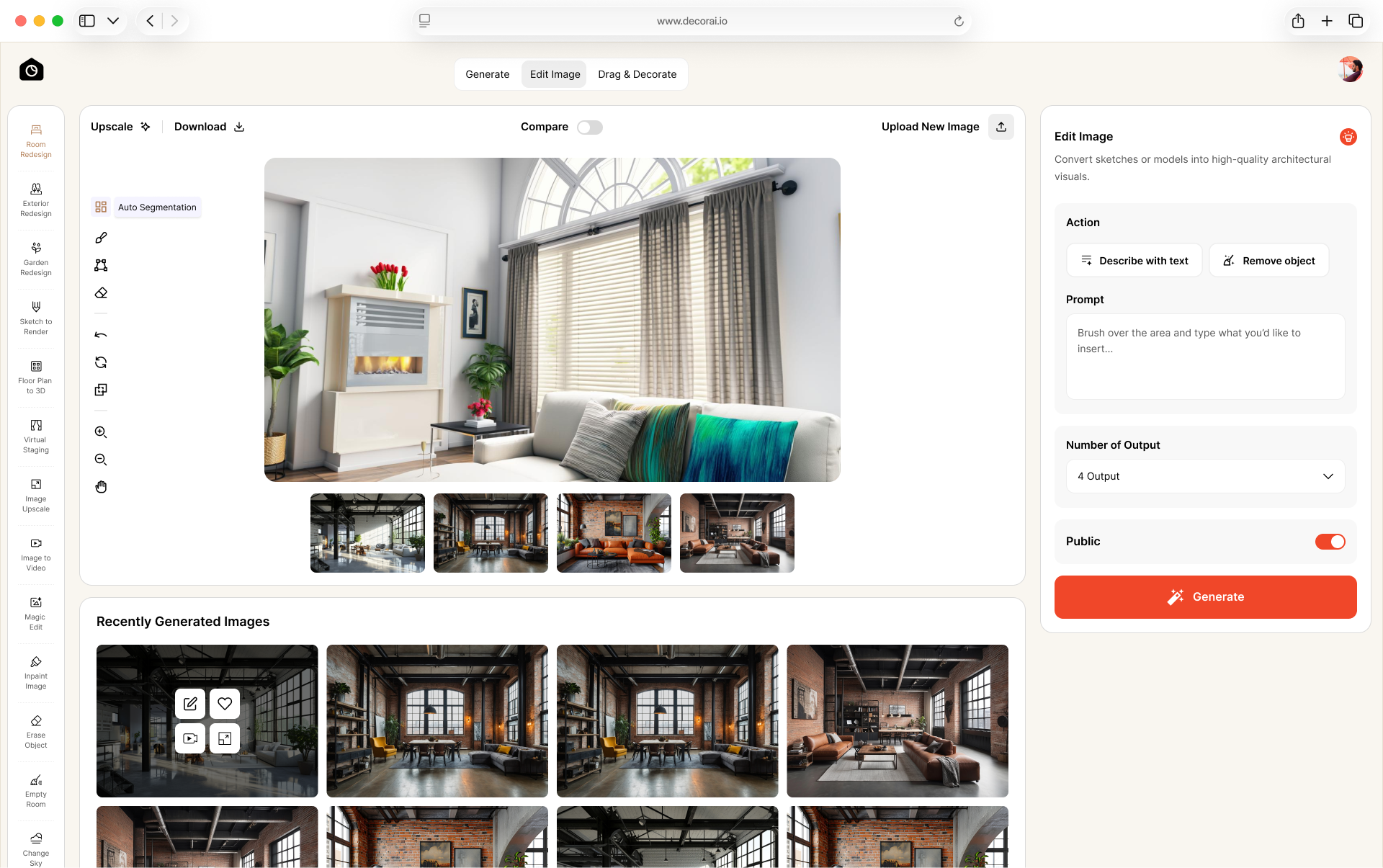
DecorAI can help you compare kitchen ideas before choosing cabinets, countertops, flooring, appliances, and other materials. Upload a photo of your kitchen, choose a mode, and create several versions from the same room.
Simple Mode
Use Simple mode for a quick kitchen preview. Choose the kitchen type, design style, and cabinet color. This mode works well when you want a starting idea without choosing every material separately.
Pro Mode
Use Pro mode when you want more control. You can choose settings for:
- Cabinets
- Countertops
- Backsplash
- Flooring
- Appliances
- Hardware
- Lighting
Pro mode is useful when you want to compare a specific combination, such as white cabinets, quartz countertops, a tile backsplash, and wood flooring.
Describe Mode
Use Describe mode to explain your changes in your own words. Clear instructions can reduce unwanted changes. Always compare the result with the original photo.
DecorAI's Kitchen Design tool includes 10 kitchen styles and creates results in about 30 seconds. The full DecorAI platform includes 175 design styles and 20 tools. Browse the kitchen inspiration gallery to see examples.
Paid plans start at $24 per month and include unlimited AI designs. New users receive a 1-day trial with 3 designs. A payment card is required to start the trial. Cancel before the trial ends if you do not want the paid subscription to begin.
Where to Start
First, decide which parts of the kitchen need to change and which parts can stay. Set a budget for the planned work, then keep 10% for unexpected kitchen remodel costs. For an older home or a project with demolition, keep 15% to 20%.
Use the cost calculator for an early estimate. Then ask at least three contractors for itemized quotes. Compare the materials, labor, permits, delivery, waste removal, and cleanup included in each quote. Before choosing a contractor, check the work scope, payment terms, timeline, insurance, license, and references.
Ready to see which kitchen design fits your home and budget? Try DecorAI to compare cabinets, countertops, backsplashes, flooring, appliances, hardware, and lighting before remodeling.
Frequently asked questions
A practical midrange remodel costs $25,000 to $65,000. Cosmetic updates cost $10,000 to $25,000, while major projects can exceed $65,000 and luxury remodels can pass $130,000.
Yes, for a simple update. It can cover paint, cabinet refinishing, hardware, lighting, a faucet, a basic backsplash, and possibly one appliance.
A 10×10 kitchen remodel usually costs $15,000 to $25,000 with the same layout and stock or semi-custom materials. Custom cabinets, premium appliances, structural work, or moved utilities can push it above $50,000.
Cabinets are usually the biggest cost, making up about 30% to 40% of the total. Custom cabinets, islands, and special storage can raise the price quickly.
Labor can make up 25% to 60% of the total cost. The percentage varies because different cost sources include different work under labor.
Yes. Moving a sink, range, wall, or appliance can add plumbing, electrical, gas, structural, and permit costs. Keeping the current layout is usually more affordable.
You may need permits when moving plumbing, electrical wiring, gas lines, windows, or walls. Permit rules vary, so check with your local building department before work begins.
A kitchen remodel often takes three to five months from planning to completion. The timeline may be longer if you need permits, custom cabinets, structural work, or special materials.
Keep at least 10% of your budget for unexpected costs. For an older home or a remodel involving demolition, consider keeping 15% to 20%.
Yes. Upload a photo to DecorAI to see a kitchen redesign in about 30 seconds. Pro mode lets you compare cabinets, countertops, backsplash, appliances, and flooring. The 1-day trial includes 3 designs.