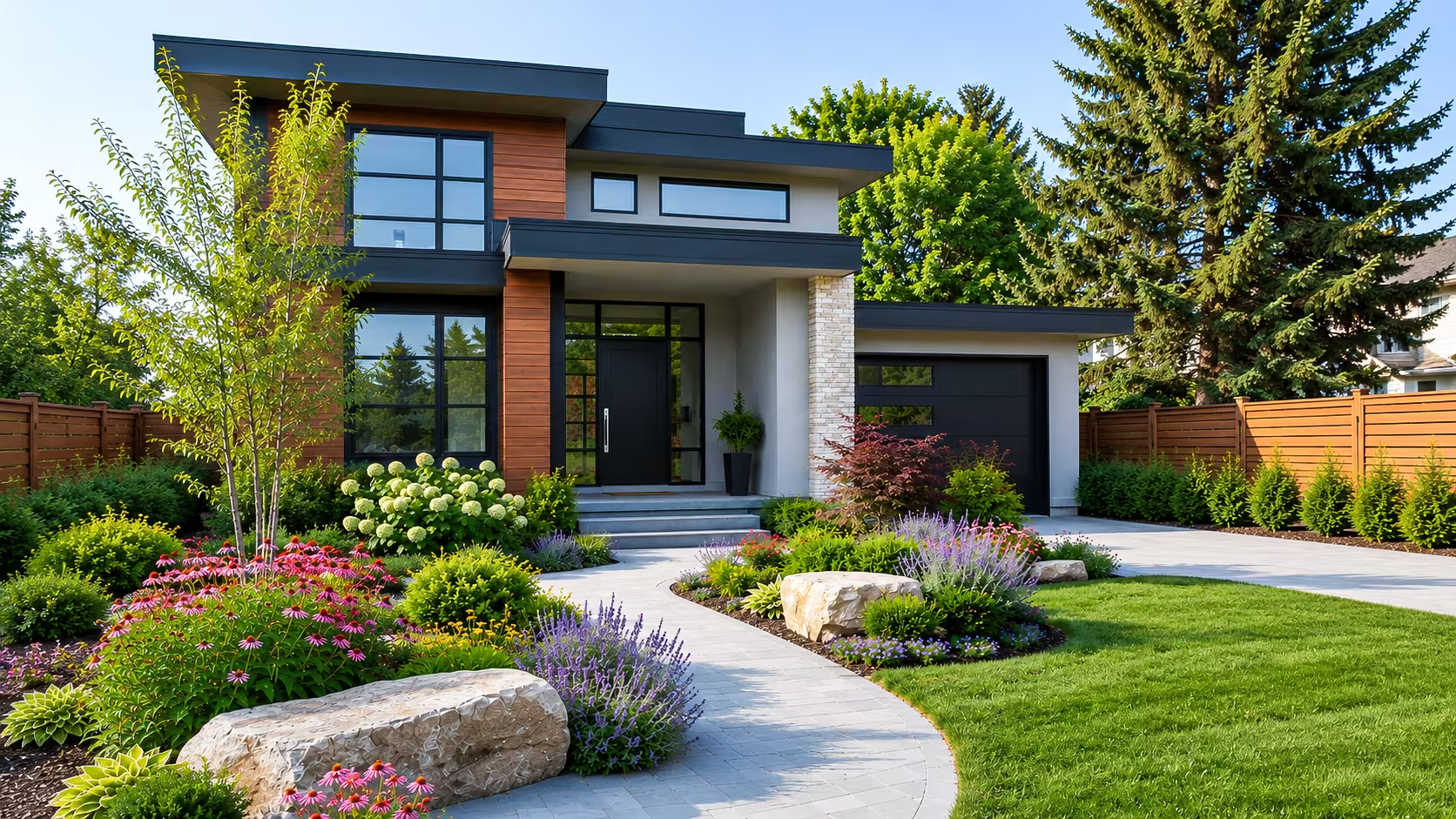
Your front yard sets the tone for your entire home. It is the space that shapes first impressions, and getting it right can transform how your property looks from the street. Strong curb appeal doesn't demand a massive budget or professional help. The most expensive-looking front yards often use the same materials as everyone else's. Mulch, perennials, well-placed boulders, and clean edging show up in nearly every one of them. It's how you arrange them that makes the difference. A few smart choices in walkways, planting, and ground cover can completely change the feel of your front yard.
We have gathered 20 front yard landscaping ideas that will make your house look expensive on any budget. Each one includes the plants that make it work and the home styles it pairs with best. Browse through and find the look that fits your yard.
20 Front Yard Landscaping Ideas to Make Your House Look Expensive
Explore 20 front yard landscaping ideas with rocks, mulch, and layered planting. Find the perfect look for your home, no matter the size or style.
1. Layer Flowers Along the Front Steps
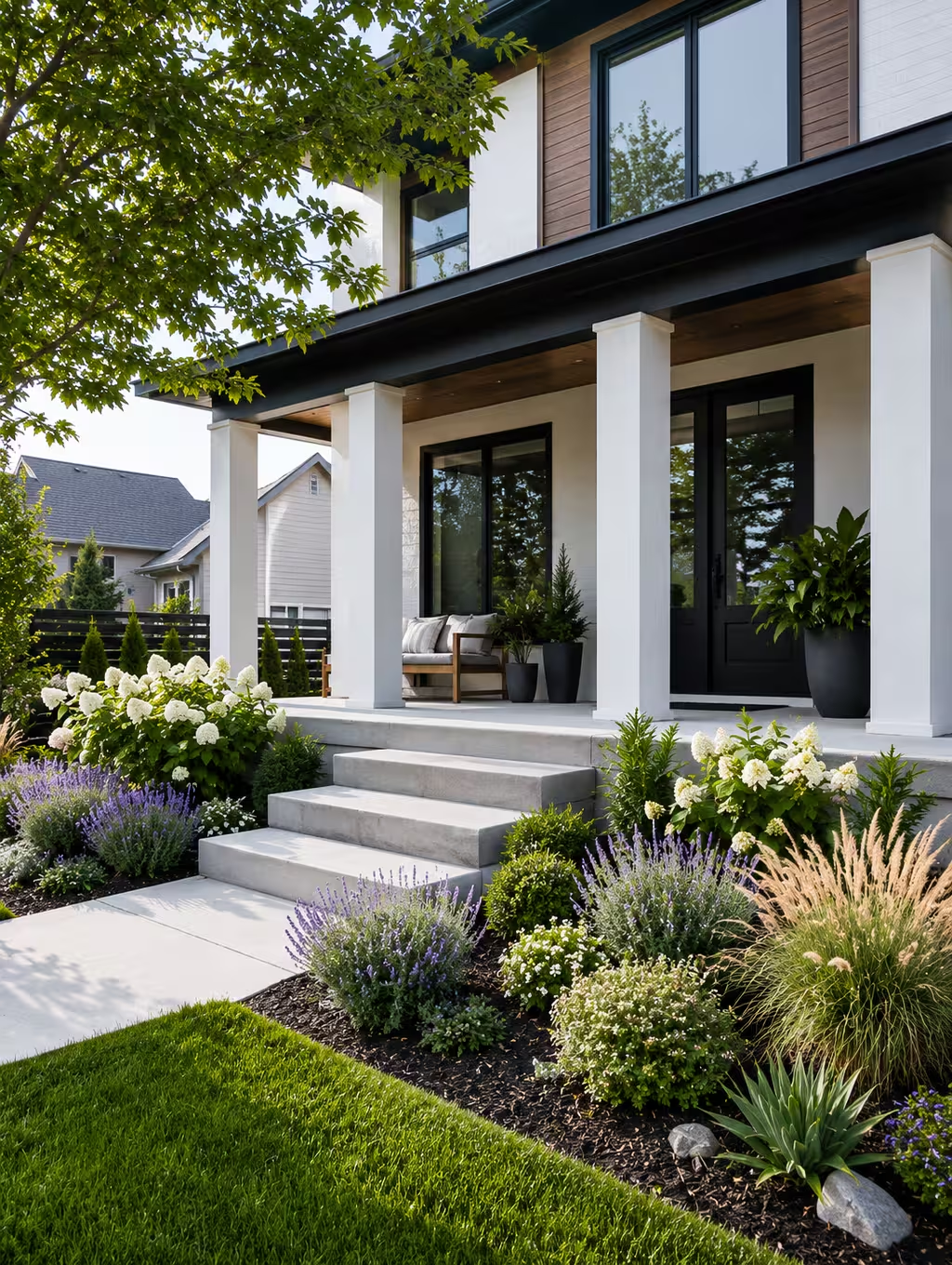
This is one of the easier front yard landscaping ideas to start with if you only have a small bed near your entryway. Start with white hydrangeas near the steps. They give big, bright blooms right where you'll notice them most. Purple lavender goes in front of them, adding color and a softer feel. Small boxwoods and ornamental grasses fill in the empty spaces with greenery. Dark mulch finishes the beds. It holds moisture in the soil and keeps weeds from taking over, while giving the whole planting a neat, clean edge.
2. Curve the Walkway Through Flower Beds
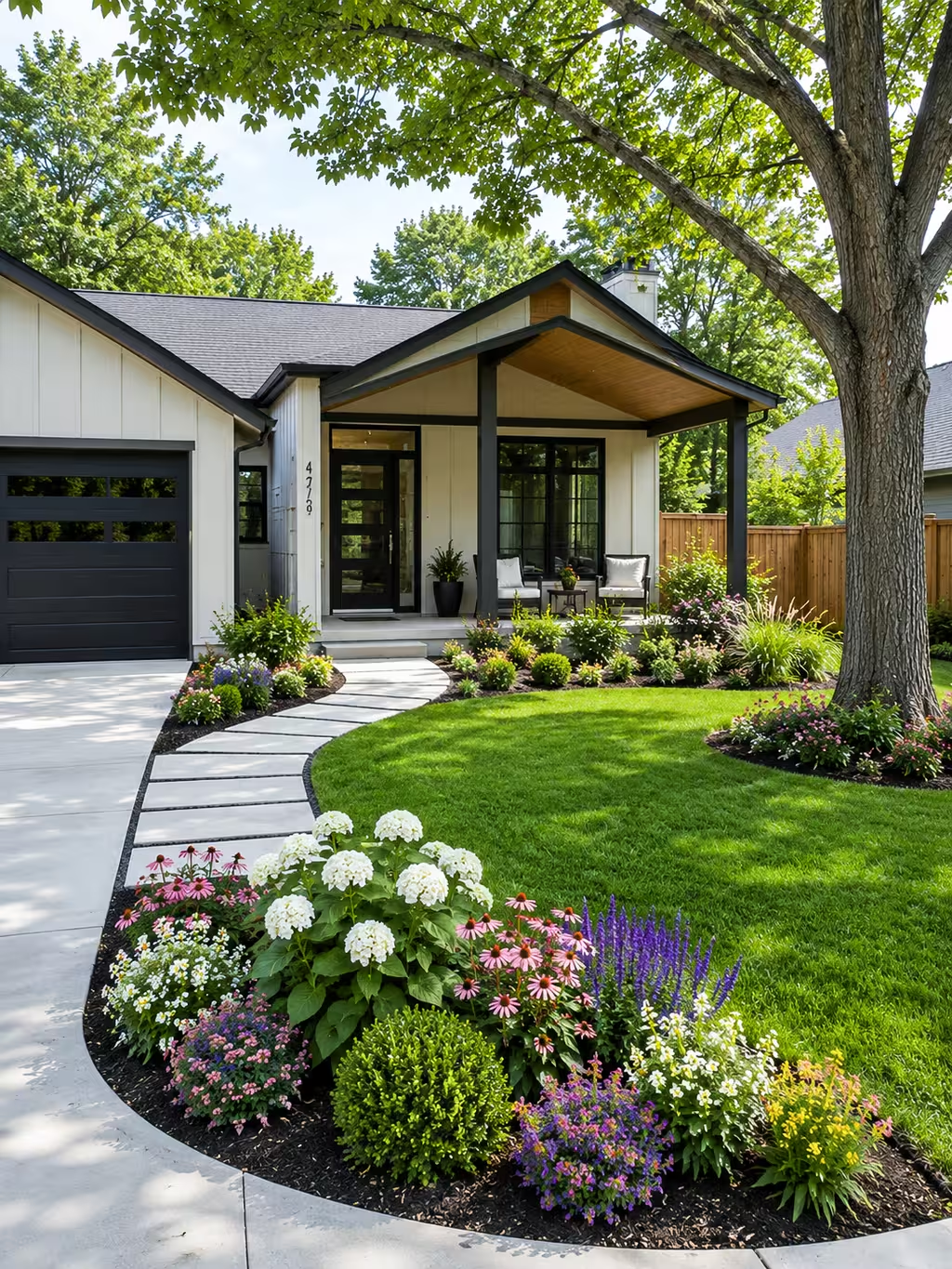
Let the walkway curve gently toward the front door instead of taking a straight line. Use large concrete stepping slabs and surround them with white hydrangeas, pink coneflowers, purple salvia, and small flowering plants. Add rounded boxwoods to keep the planting neat. Dark mulch gives the flowers more contrast and helps reduce weeds. This layout works well when you want a soft, welcoming path without giving up much lawn space.
3. Make a Gravel Path Feel Inviting
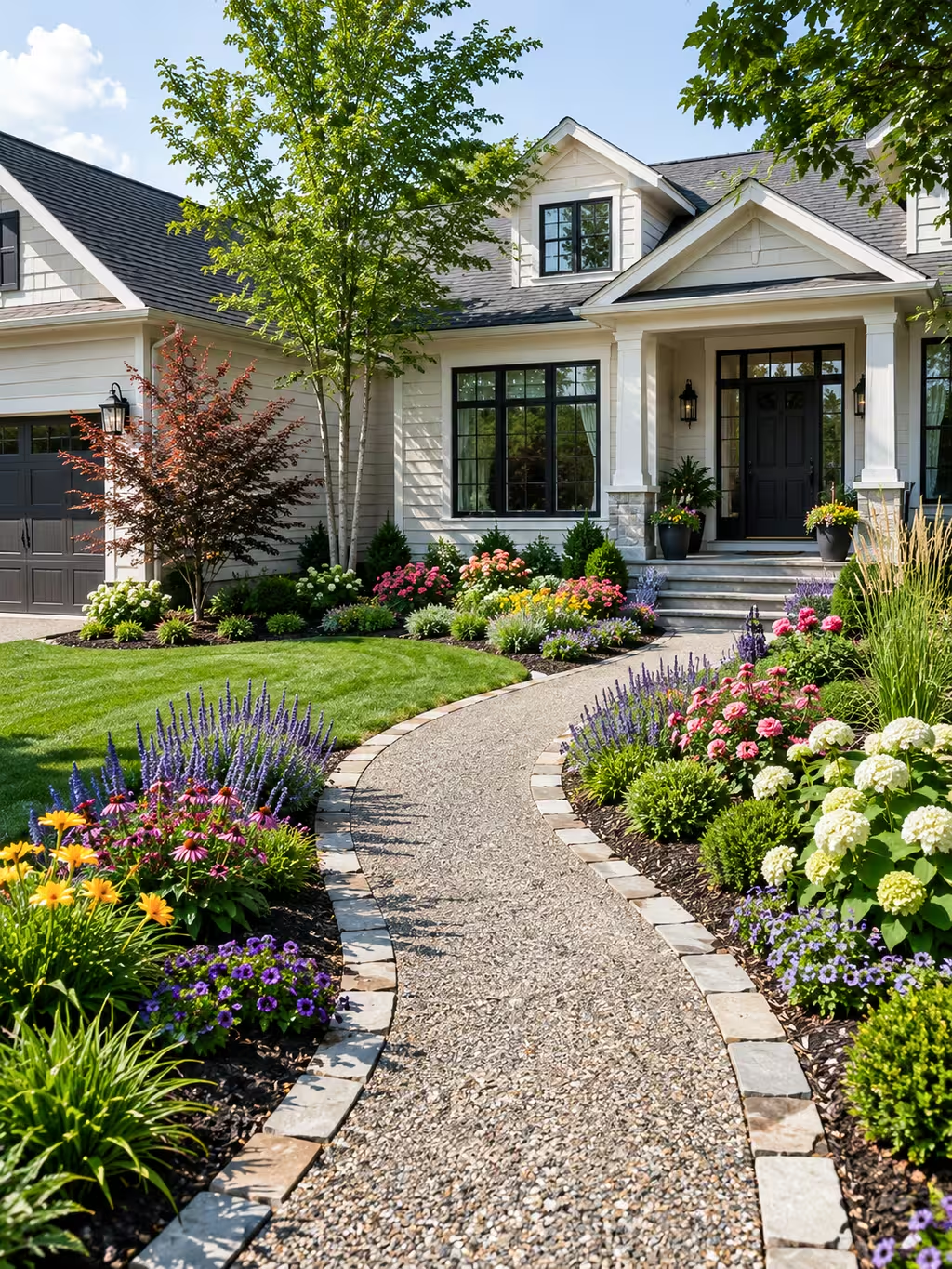
Gravel paths have a relaxed, easy feel, and they're popular in cottage-style and country-inspired yards. Frame the path with flat stone pavers first. Then soften both sides with white hydrangeas, pink coneflowers, and purple salvia. A few smaller flowering plants can fill in any gaps. Dark mulch around the beds adds contrast and helps keep weeds down. Because gravel costs less than a full concrete or stone walkway, this makes it a cheap front yard landscaping idea if you're watching your budget.
See How AI Turns a Bare Yard Into a Practical Landscape Design
Drag the slider to compare a bare front yard with a fully designed landscape. This transformation was created using DecorAI's Landscape Redesign tool.
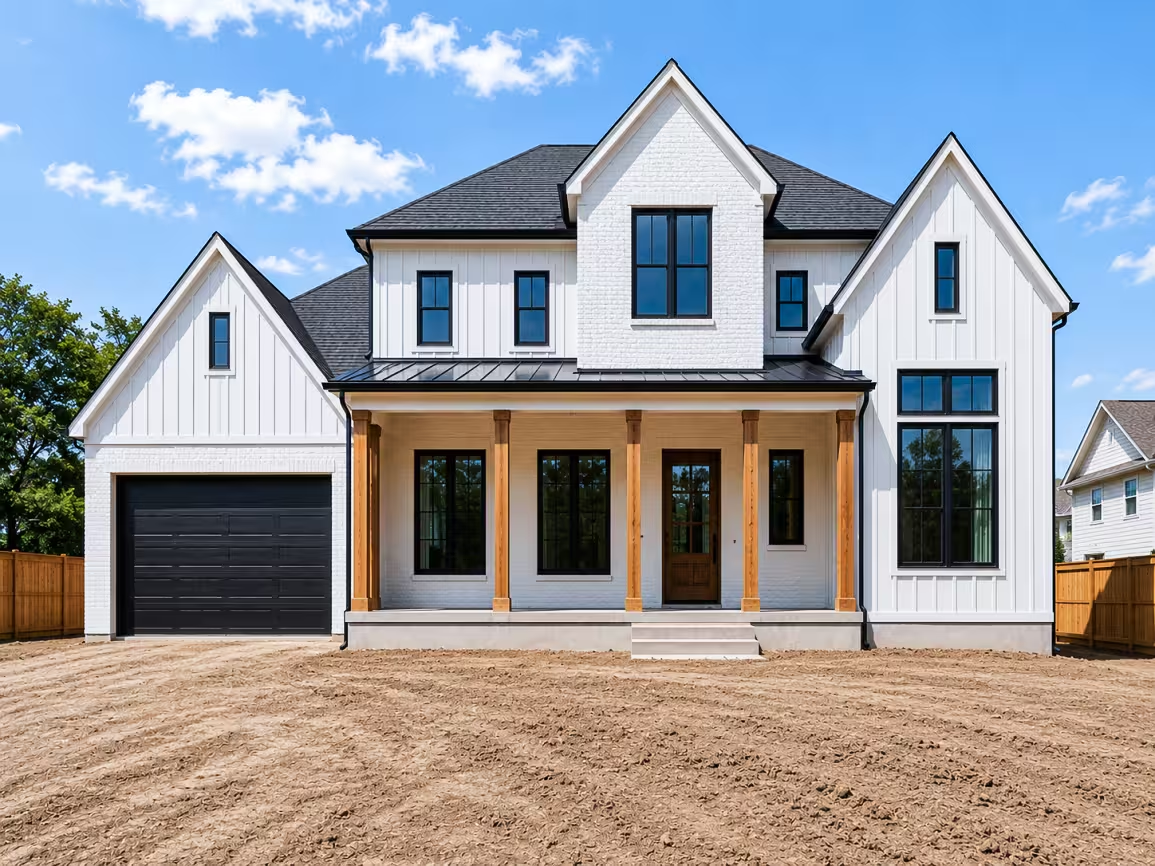
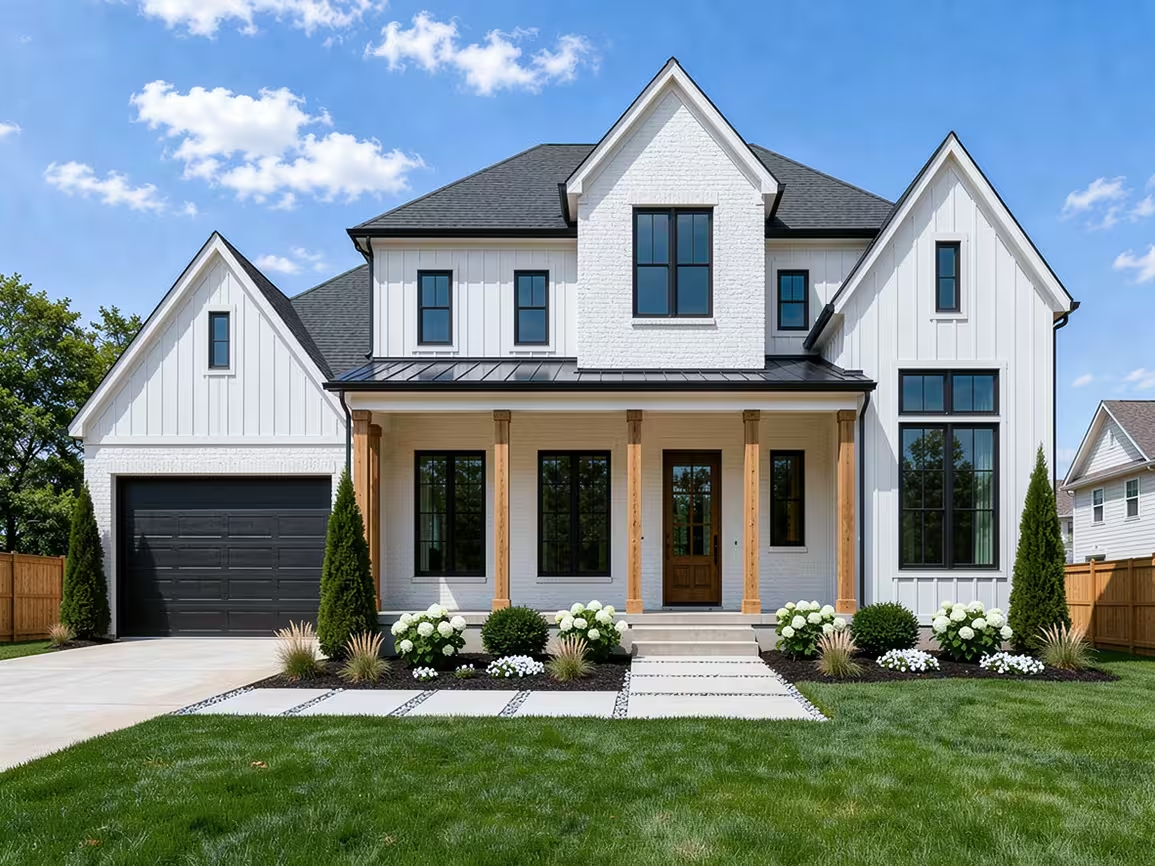
What was once an empty patch of bare soil is now a polished front yard with a concrete paver walkway, a lush green lawn, and layered planting beds filled with hydrangeas, boxwoods, and ornamental grasses. All it took was one photo upload. No contractor, no months of planning. Just a clear picture of your yard and an idea of what you want.
Looking for more ways to transform your outdoor space? Browse hundreds of AI-generated landscape designs at DecorAI's Inspiration Gallery to find the perfect look for your front or back yard.
Design your front yard with AI
Generate your front yard ideas with only one photo.
4. Stretch a Flower Border Along the Front
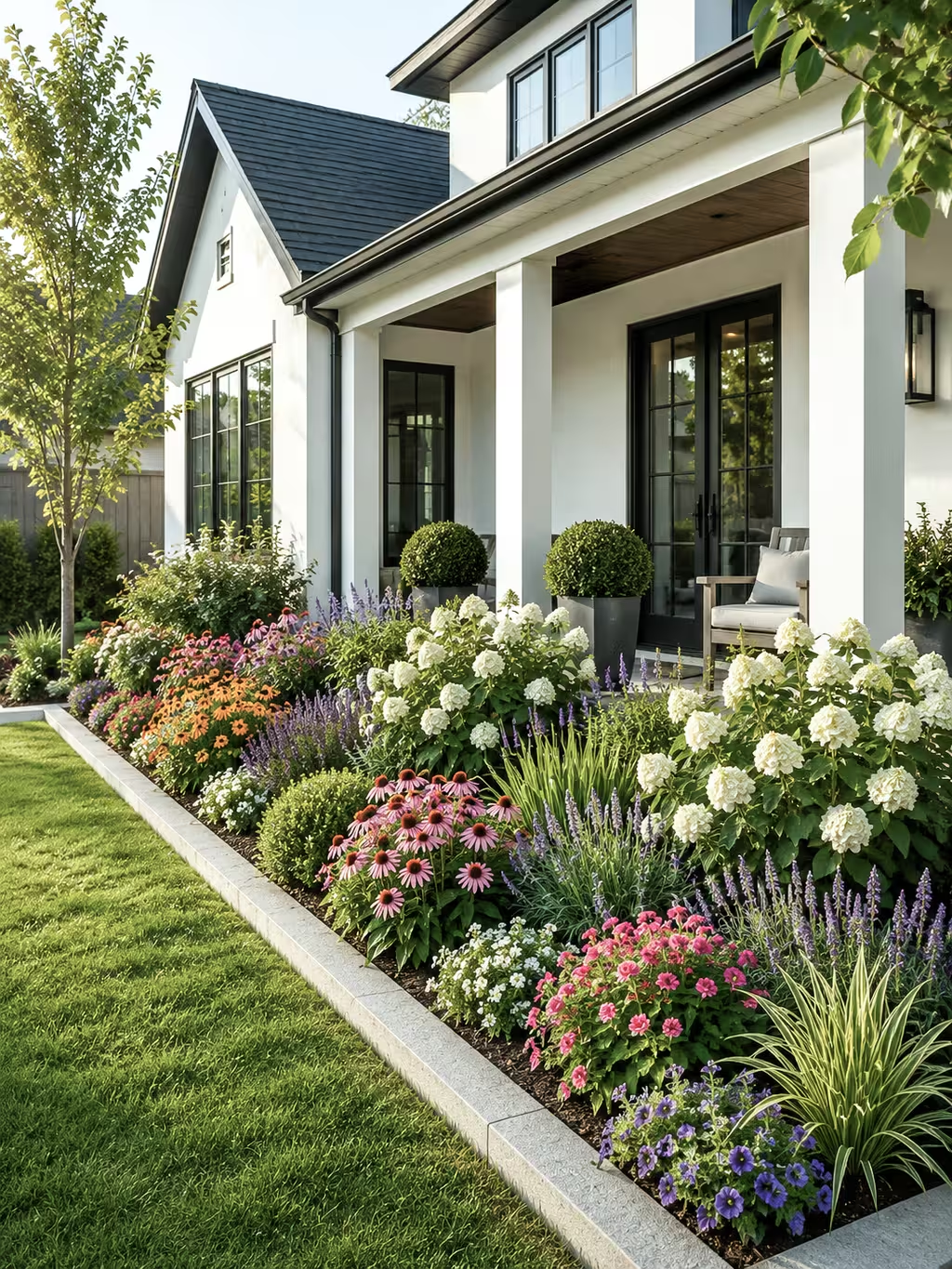
Long flower borders are a popular choice for farmhouse and cottage-style homes. They make the front of the house feel warm and welcoming. Give white hydrangeas the main spot, then weave in pink coneflowers, purple salvia, and small pink and white flowers. Add rounded boxwoods and ornamental grasses to break up the blooms. A simple stone edge keeps the lawn from spreading into the bed and can last for many years with little upkeep. This mix is a good fit for places where these plants can handle both cooler winters and warm summers.
5. Swap Lawn for a Rock Garden
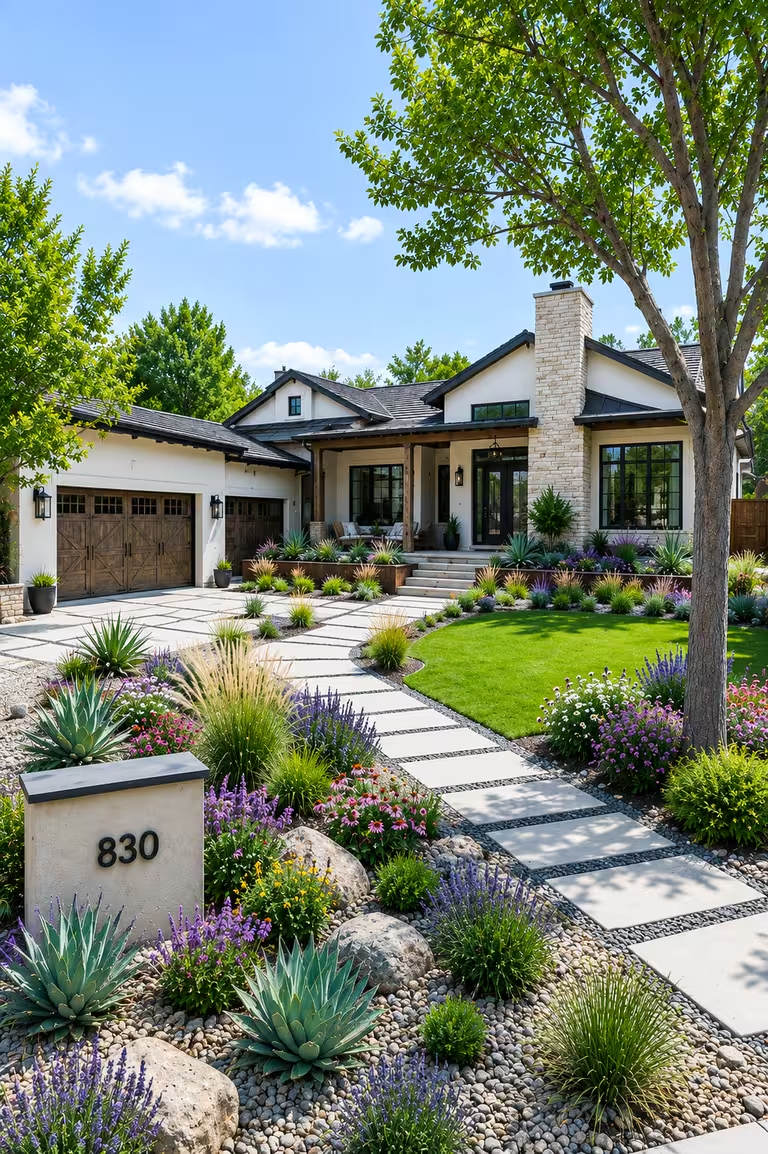
A rock garden is a good option if your yard gets hot and dry. River rock works well as the main ground cover, which makes it one of the most popular front yard landscaping ideas with rocks. Large agave plants and purple lavender add shape and color. Ornamental grasses soften the edges between the rocks. Place a few natural boulders here and there for weight and structure. Large concrete slabs make a clean path through it all. The plants need very little water once they're established.
6. Let Boulders Set the Tone
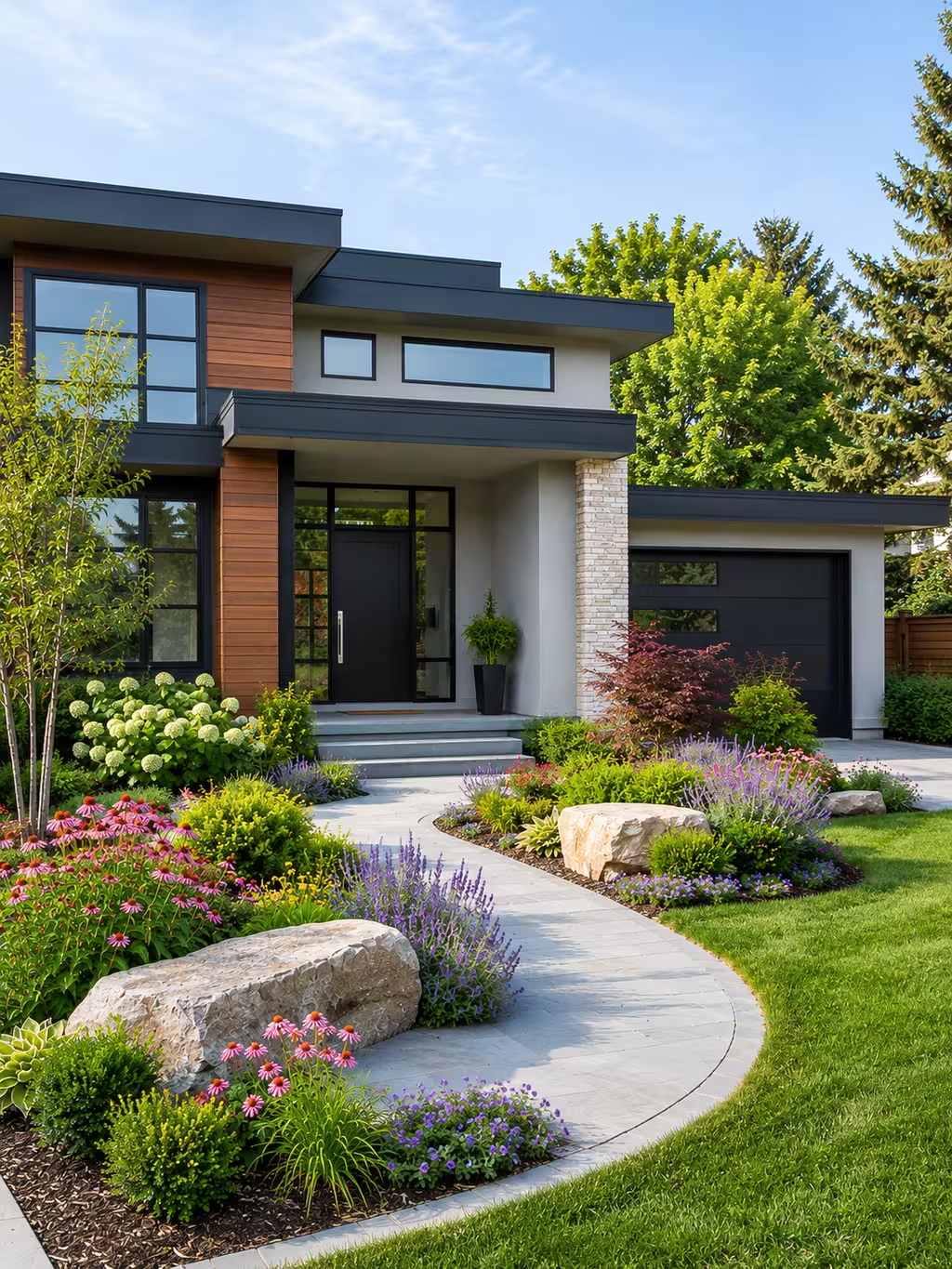
Large natural boulders give a modern front yard a strong, grounded look without adding much upkeep. Place them beside your walkway, then soften the edges with pink coneflowers, purple salvia, white hydrangeas, and low shrubs. Dark mulch keeps the planting beds tidy and helps reduce weeds. This style suits places where these plants handle warm summers and cold winters. Natural stone also lasts for years, so you will not need to replace it often.
7. Bring Cottage Charm to the Walkway
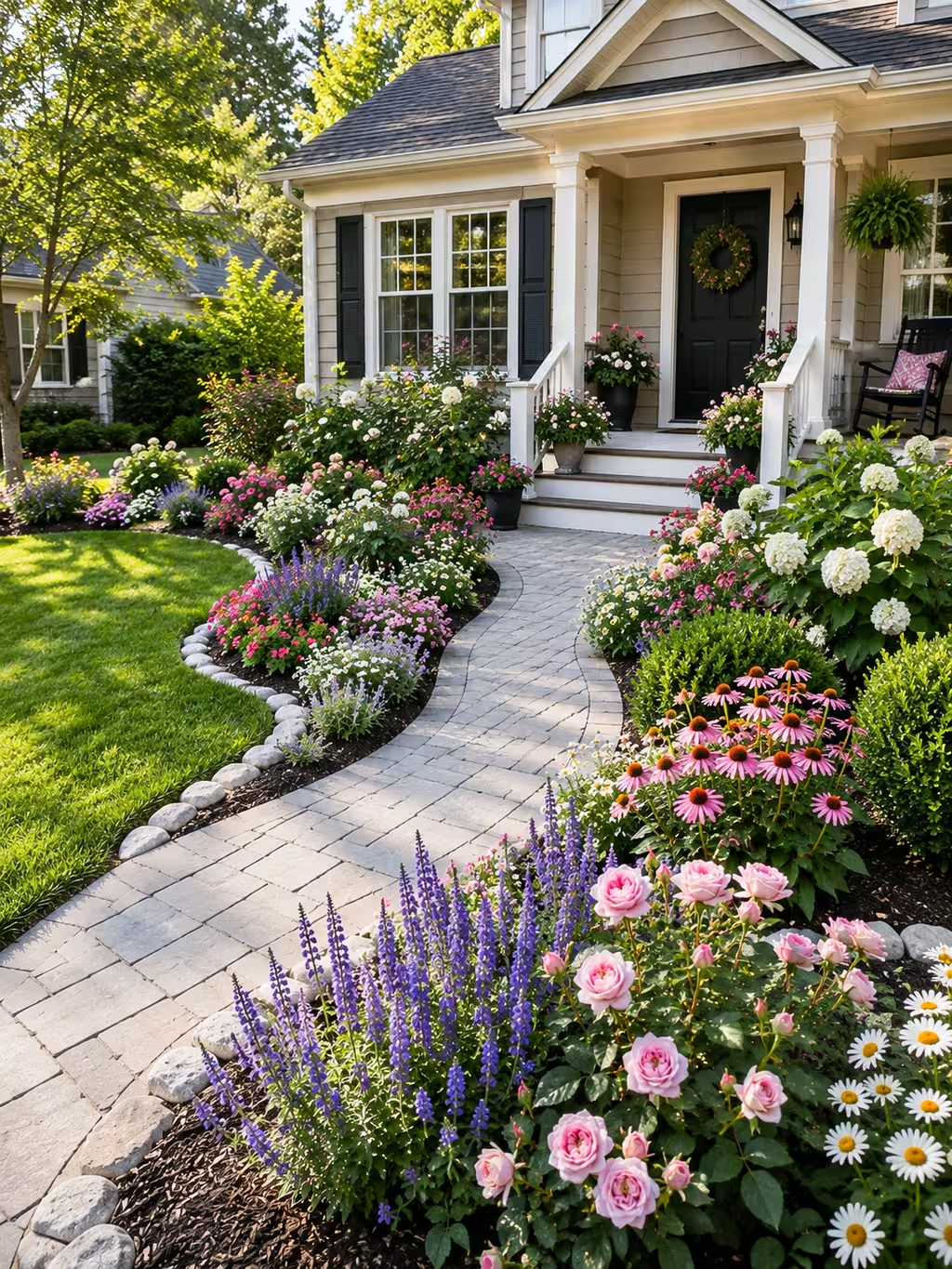
Pink roses are the star here. Plant them in loose clusters of three along the sunniest stretch of the path, where they'll get the six-plus hours of direct light they need to keep blooming through summer. White daisies fill the gaps at knee height, with a low run of purple salvia behind them for depth. Round river stones edge the bed softly, and the paver path keeps the whole thing from feeling overgrown. Roses need more deadheading than most plants on this list, but the payoff is a front yard that looks like it belongs in a cottage magazine.
8. Put Boulders Front and Center
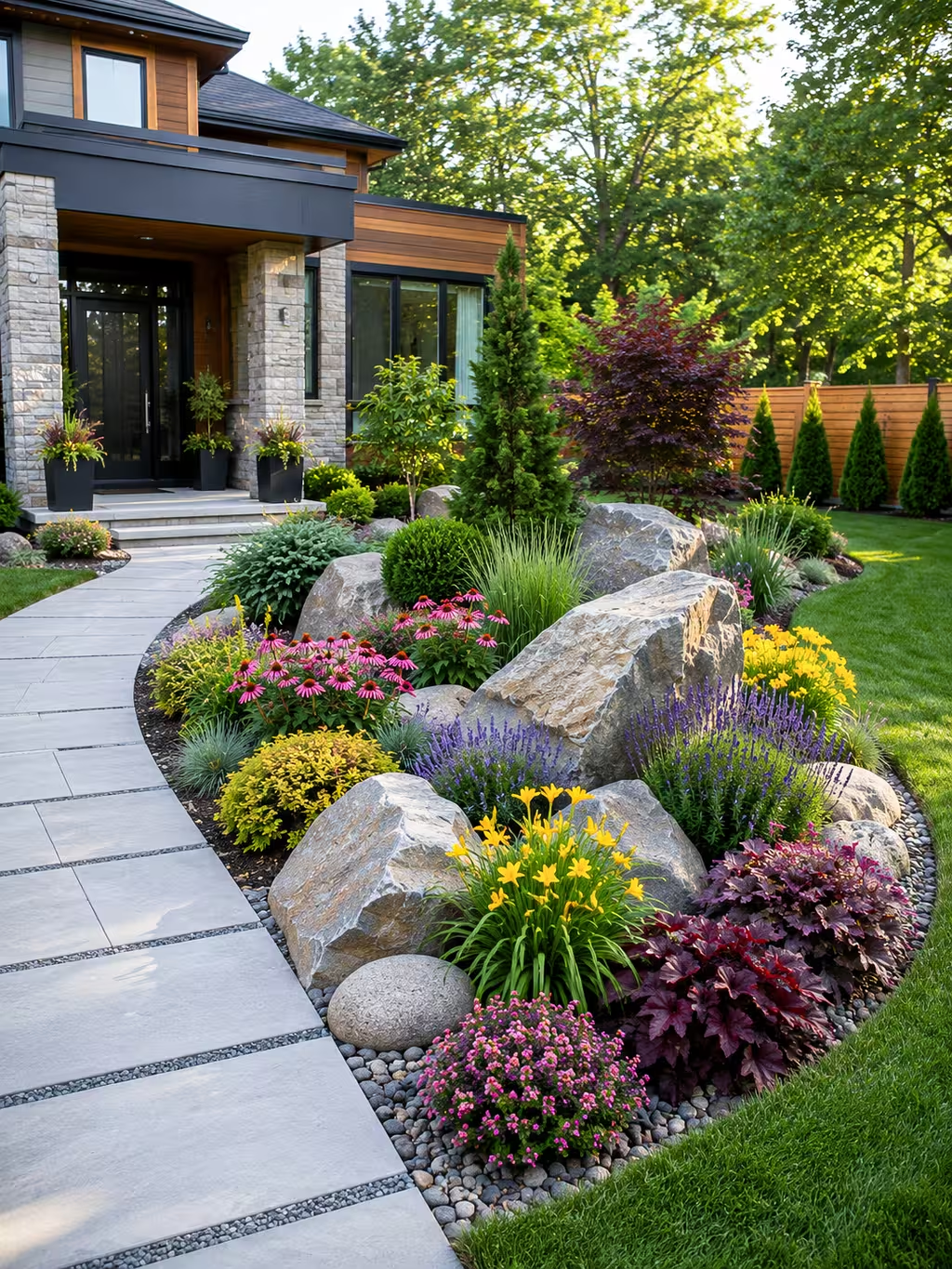
Want a front yard that feels modern without looking too polished? Let a few large boulders do the job. Set them into a bed of smaller river stones, then plant around them with purple salvia, pink coneflowers, yellow daylilies, ornamental grasses, and dark-leaved heuchera. The mix has a natural look and does not need much trimming. Using stone as a major part of the design can also cut down the amount of lawn you need to water and maintain.
One pattern runs through all these front yard landscaping ideas: layered planting. Whether the bed is six feet deep or twenty, the principle stays the same. Tall plants in back, medium in the middle, low growers at the edge. This layered approach creates depth, hides bare soil, and keeps weeds suppressed without constant attention.
Start with the walkway, not the plants. A curved or straight path defines the entire layout of your front yard and dictates where every planting bed goes. Lay out your walkway first using temporary string or marking paint, then build the beds around it. This prevents the common mistake of planting first and trying to squeeze a path through later. That usually means ripping out healthy plants and wasting money.
9. Add a Charming Stepping-Stone Path
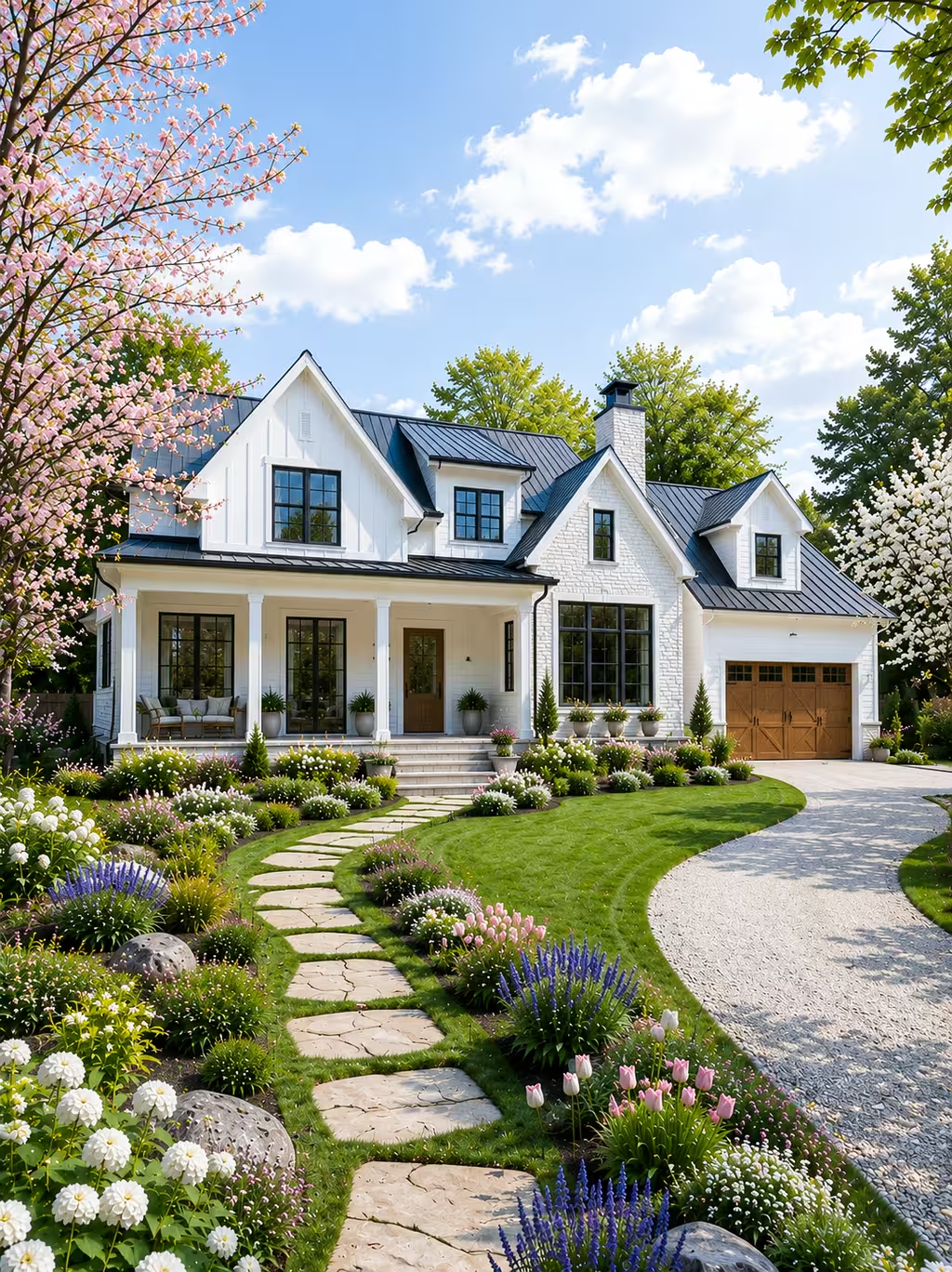
Pink tulips bloom along this path in early spring. When they fade, a cherry blossom tree takes over. It keeps color in the yard a little longer. The flagstones have small gaps between them. Over time, grass fills those gaps and softens the edges. White hydrangeas sit toward the back of the bed. Purple salvia goes in front. It holds its shape after the tulips are gone. A gravel driveway nearby keeps the yard useful, not just nice to look at. This kind of yard needs real winter cold. Tulips and cherry blossoms both need it to bloom well.
10. Frame the Walkway With Color
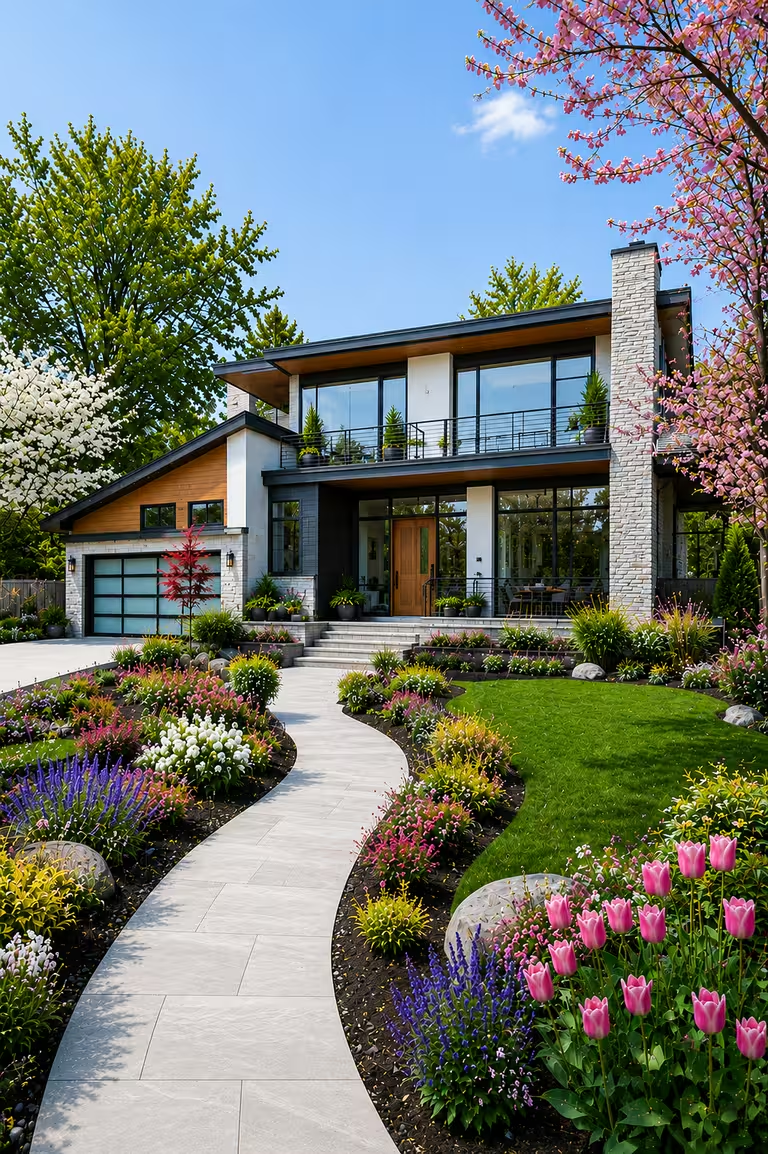
The boulders come first in this design. Set them unevenly on both sides of the walkway. Then plant yellow daylilies close by. Their height should match the size of the rocks. Pink tulips and purple salvia can fill the gaps. They add color in spring and early summer. A cherry blossom tree and a white dogwood frame the scene from above. Dark mulch keeps the colors from fading in the sun. This mix works best where winters are cold. Both the trees and the daylilies need that cold season to grow well.
11. Keep the Front Path Straight and Simple
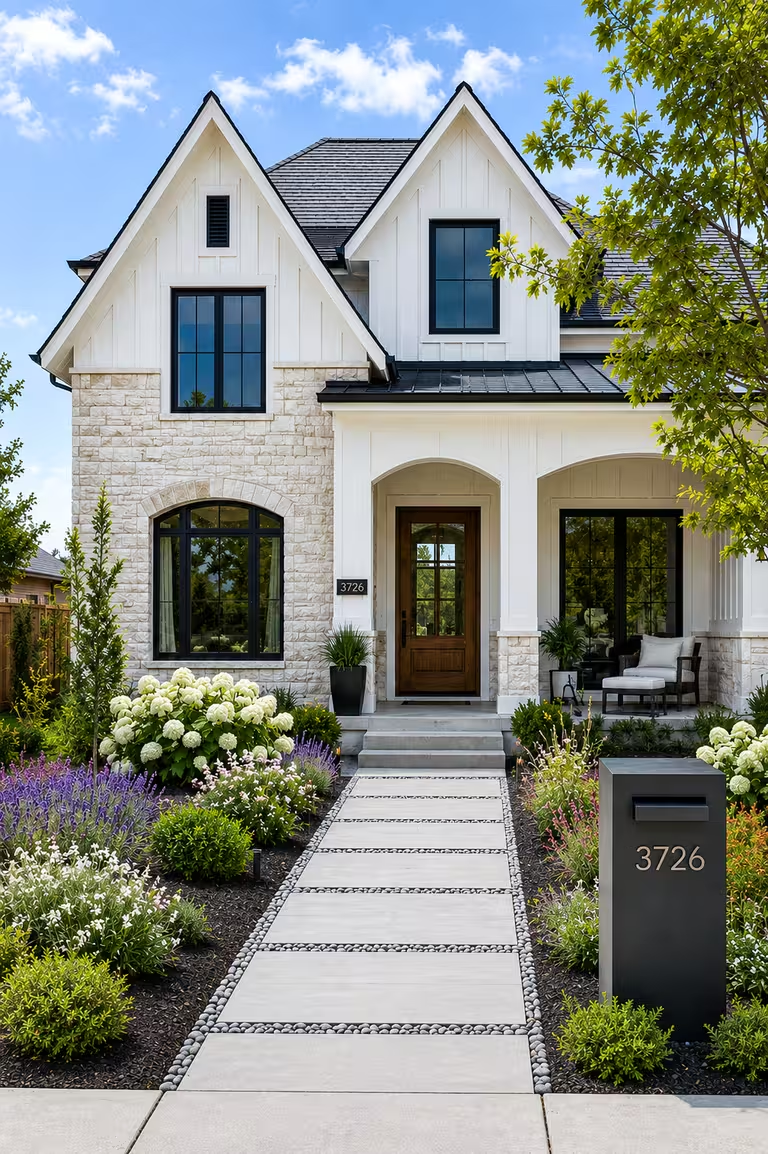
The pebble strips make this path stand out, not the plants. Lay concrete slabs in a straight line. Fill the gaps with smooth river pebbles. It's a small touch, but it makes the path look finished. White hydrangeas and purple salvia soften the hard lines. Even the mailbox by the sidewalk matches the clean style. This look works best where summers are warm, and winters are cool. Regular rain through the growing season helps too.
12. Add a Dry Creek Bed as the Focal Point
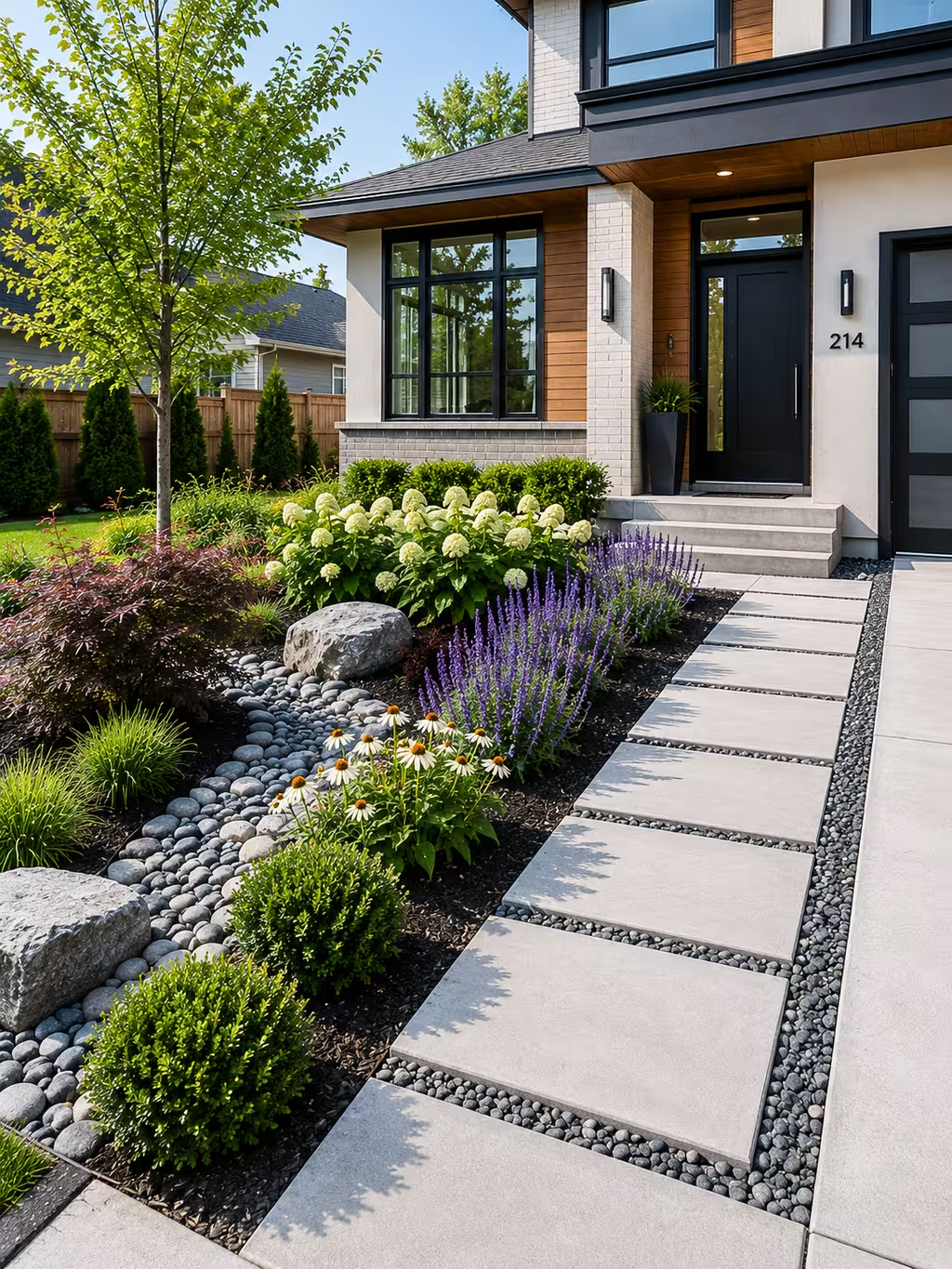
River stones form a dry creek bed next to the walkway. It creates the look of a stream, without any actual water to maintain. A red Japanese maple grows near a group of large boulders. It becomes the main feature of the yard. White coneflowers and purple salvia stay low. They don't compete with the maple for attention. A line of arborvitae in the back adds privacy. This yard is easy to maintain in a cooler climate. The dry creek bed also means less ground cover to water or trim.
13. Line a Brick Path With Flowers
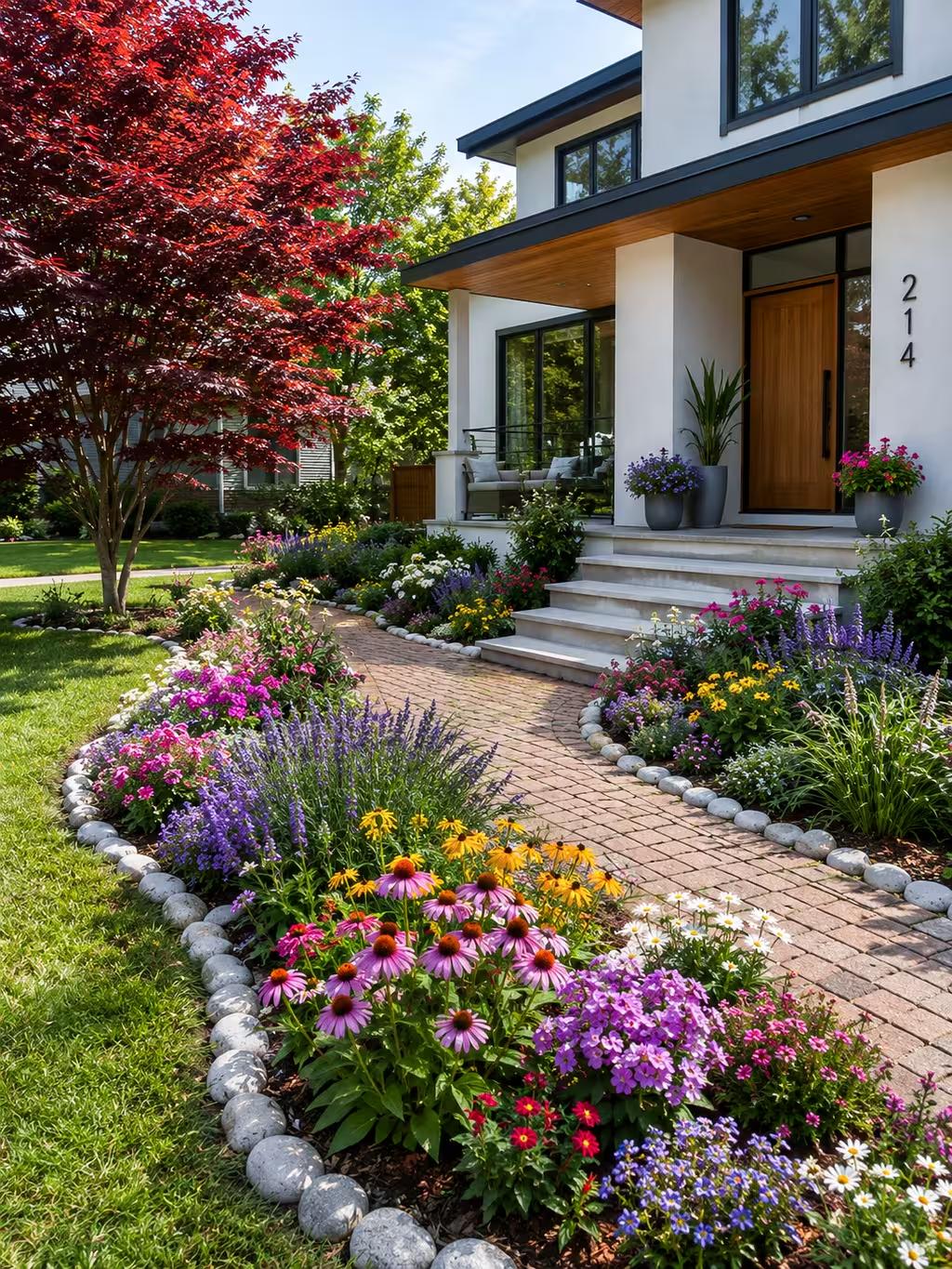
This bed is built to bloom late. Yellow black-eyed Susans and magenta phlox carry color from July into September, long after spring flowers fade. Pink coneflowers and white daisies fill in between them for extra texture. Keep purple salvia to a thin row in the back. It's there for support, not the main show. Round river stones separate the bed from the brick path, which keeps mulch from staining the bricks. If your other flower beds tend to look tired by late summer, this is a good fix.
14. Let Dark Stone Shape the Yard
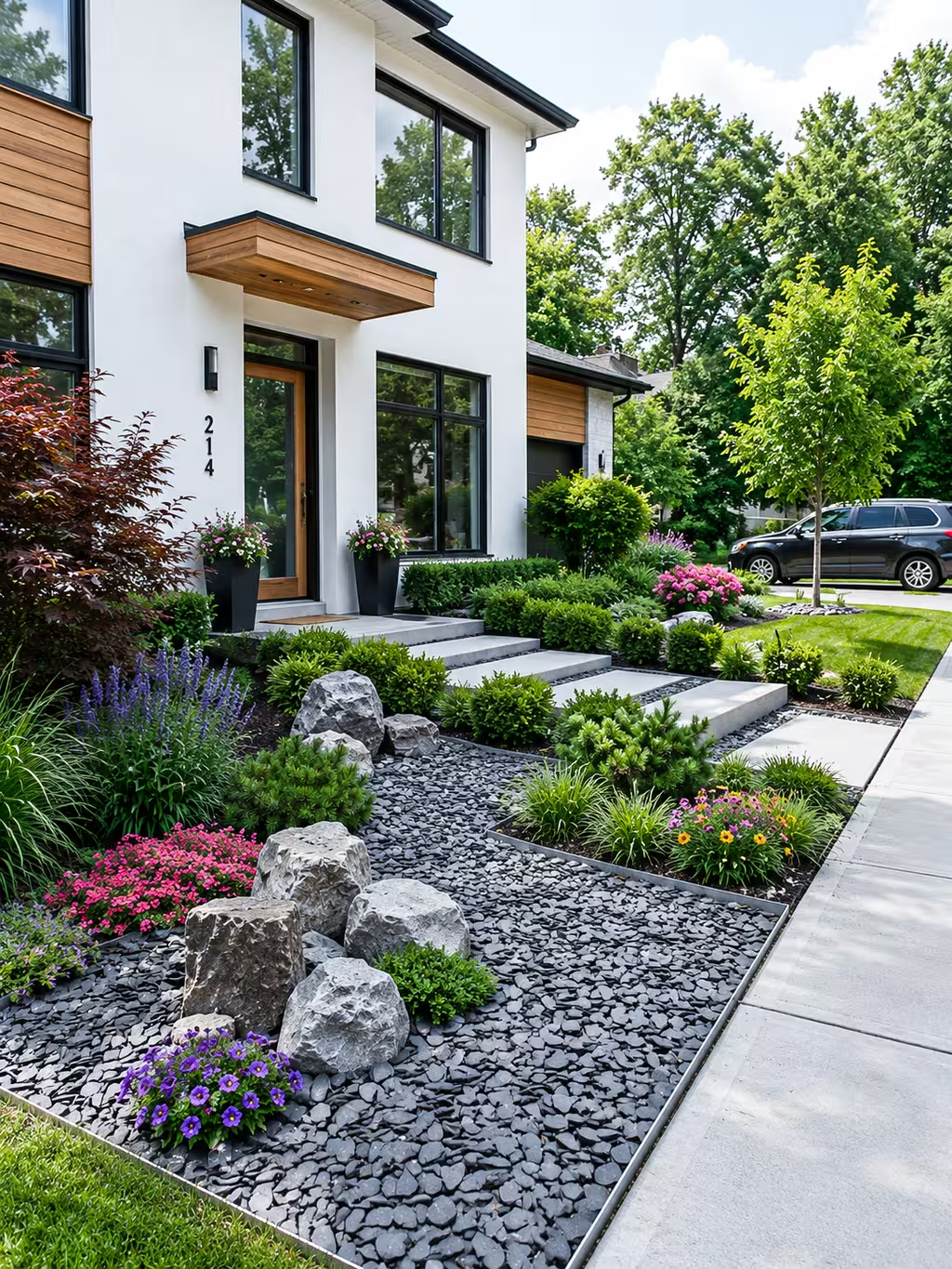
Dark crushed slate covers most of the ground here. A few large gray boulders rise out of it. Pink dianthus spreads low and close to the stone. Purple salvia adds some height nearby. Boxwood shrubs are placed here and there. They keep the gravel from looking too flat. The real standout is the concrete steps by the front door. They seem to float just above the gravel. This gives the yard a more finished, architectural look. It also needs very little water once it's established. This front yard landscaping idea is a smart pick if you're in a drier climate.
15. Turn a Slope Into a Flower Bed
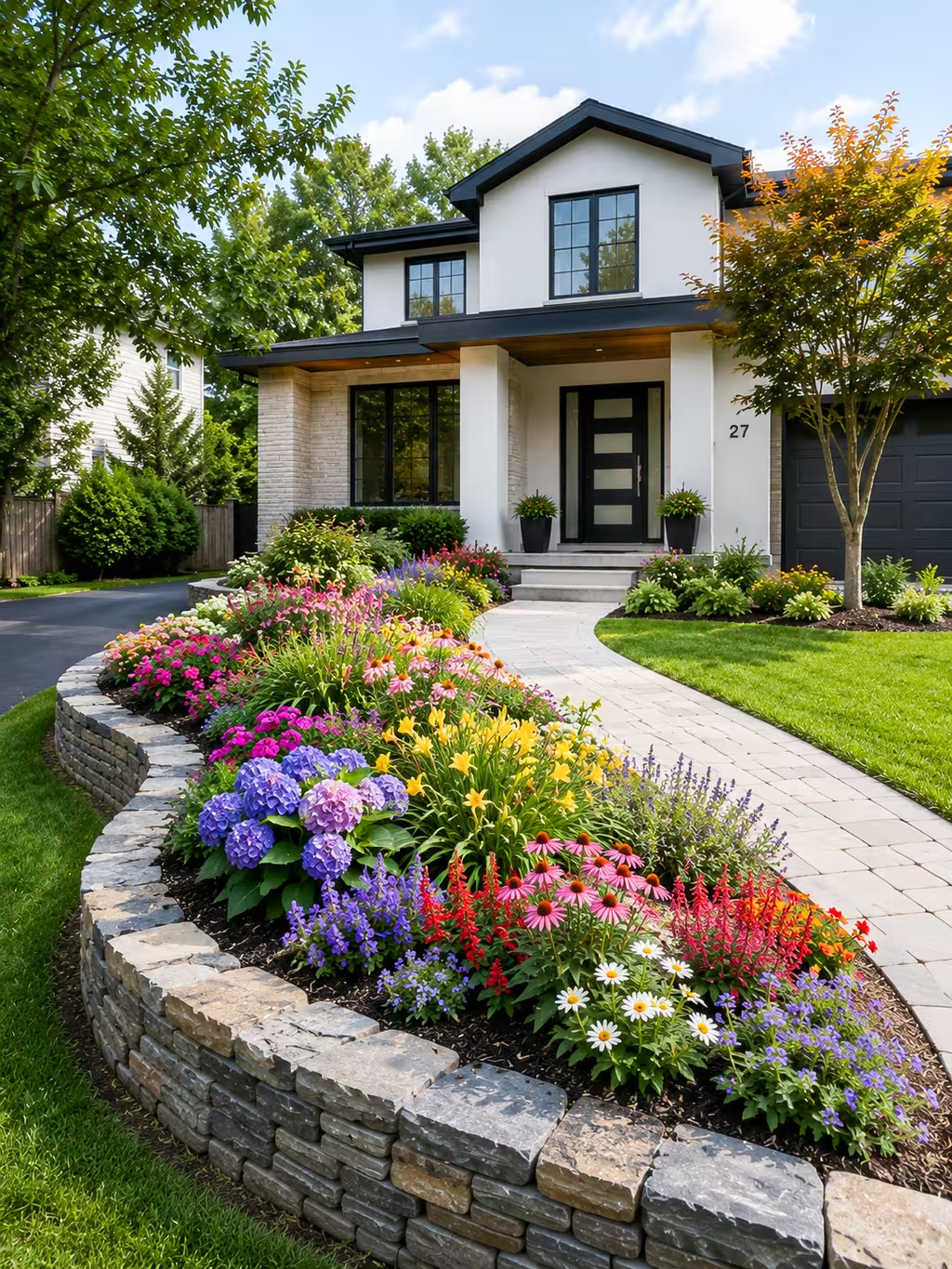
A sloped yard doesn't have to be a problem. Among front yard landscaping ideas for uneven ground, a raised garden bed is one of the most practical. It can turn a slope into the best feature of the whole front yard. A low stacked-stone wall lifts the bed and gives the walkway a strong, clear border. Inside it, let blue hydrangeas, yellow daylilies, and red salvia spill over each other in layers. Pink coneflowers, white daisies, and purple catmint fill in the rest. The stone wall isn't just decoration. It holds the soil in place, too.
16. Mix Flagstone With River Rock
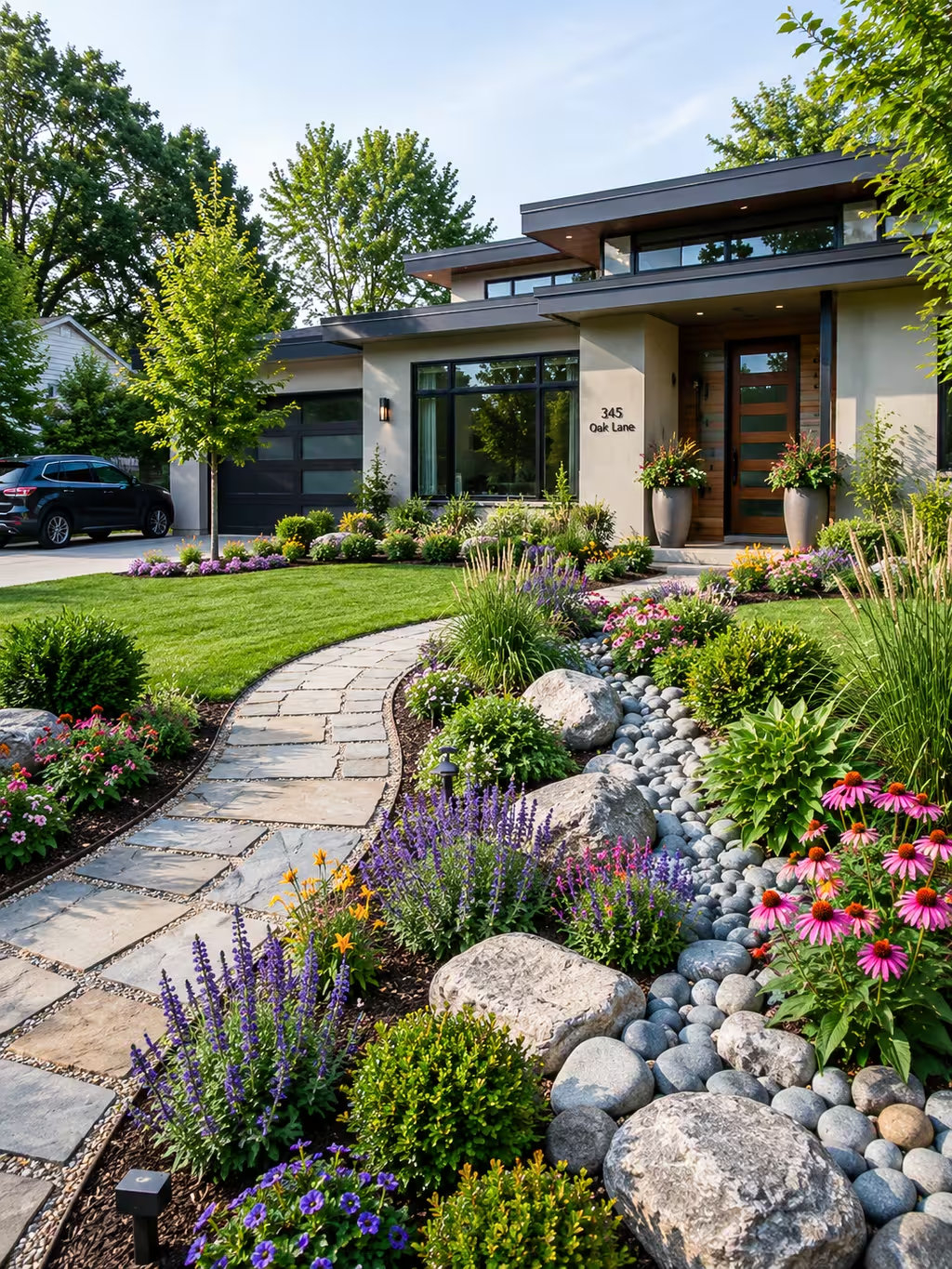
An irregular flagstone path gives a yard a more natural, unplanned feel. Lay smooth river rocks beside it to create a simple dry creek look. A few large gray boulders placed among the stones add some visual weight. Purple salvia, pink coneflowers, and yellow daylilies bring color in around the rocks. Ornamental grasses soften the whole scene. This kind of front yard landscaping idea with rocks also cuts down on how much you'll need to mow and water, since so much of the ground is stone rather than lawn.
17. Fill the Porch Garden With Color
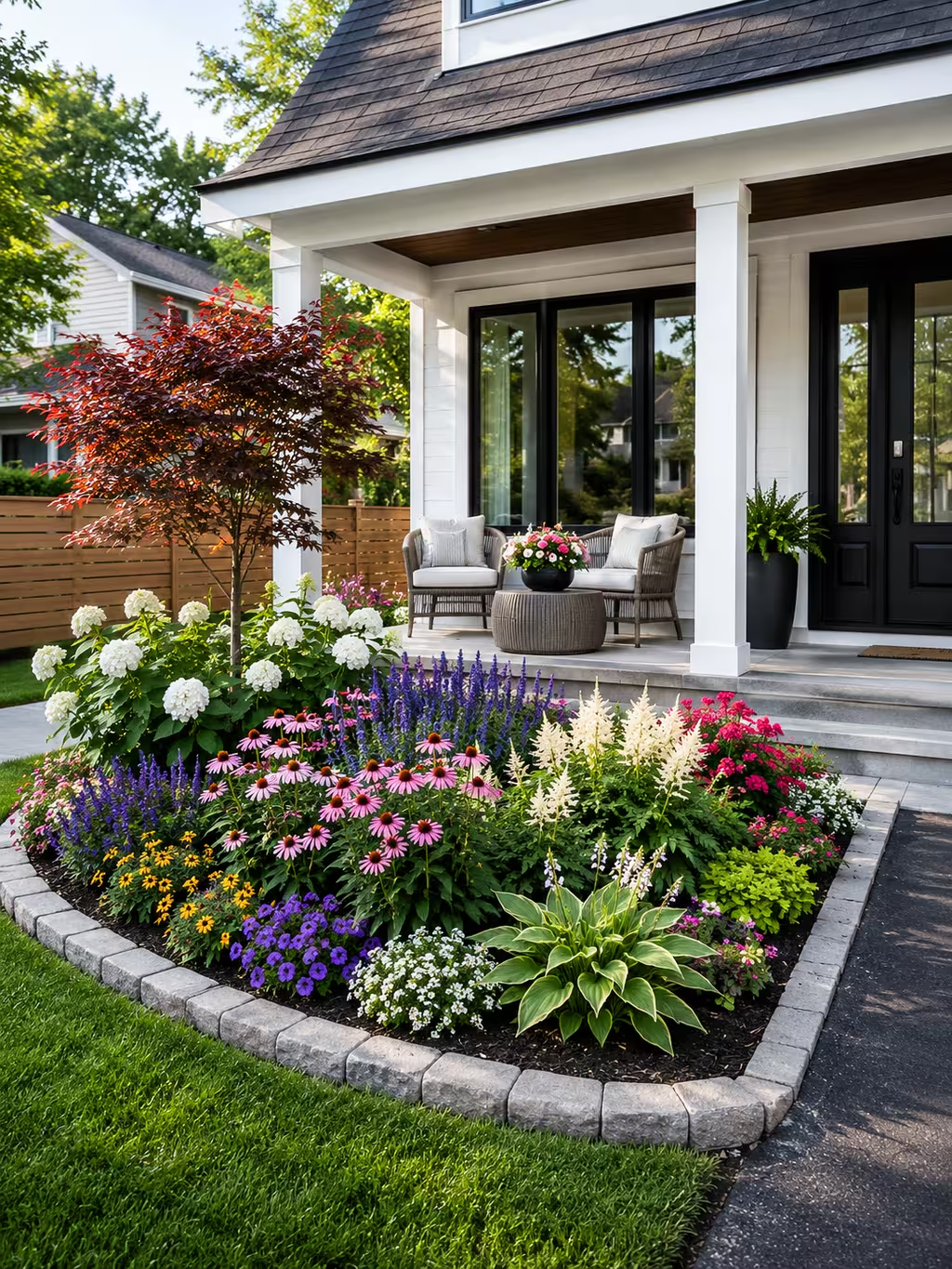
This garden bed is built for shade. The astilbe and hosta plants handle low light well, and they do most of the heavy lifting in the lower layer of the bed. Near the front edge, where a bit more sun reaches, plant pink coneflowers and purple petunias. Don't overdo the hydrangeas here. One large plant near the steps has more impact than several smaller ones scattered around. Simple stone edging keeps the soil and mulch off the porch floor. This makes it a solid choice among small front yard landscaping ideas where the porch itself is the main feature.
18. Soften a Modern Yard With Curves
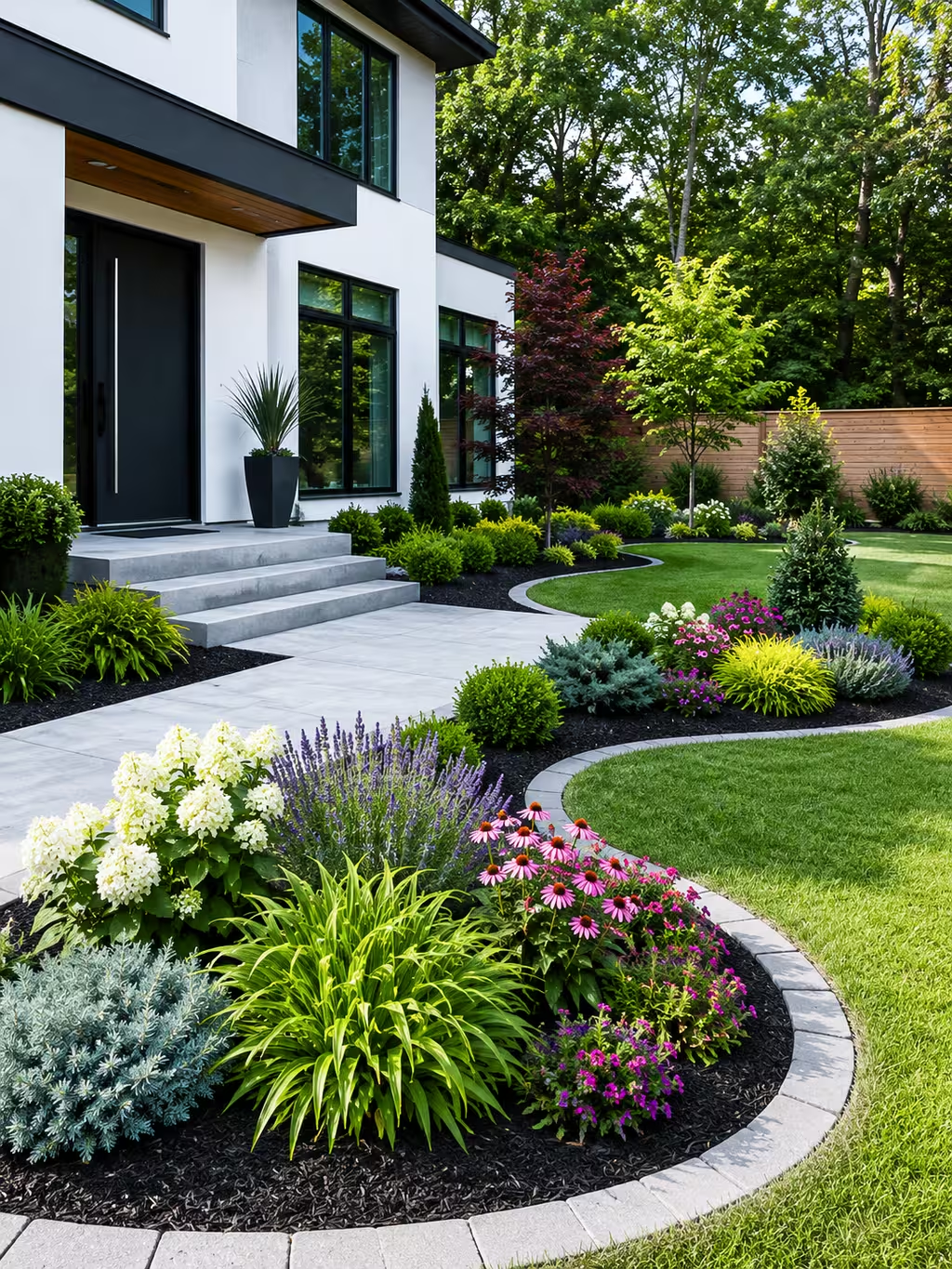
The ornamental grass and blue junipers do most of the work in this bed. Plant the grass in a loose mound near the center of the curve. Add junipers just behind it for a blue-green backdrop. White hydrangeas, purple salvia, and pink coneflowers fill in below. Black mulch helps all these colors stand out. Concrete edging keeps the curve neat. It also makes mowing around the bed much easier.
19. Border the Garden With River Rocks
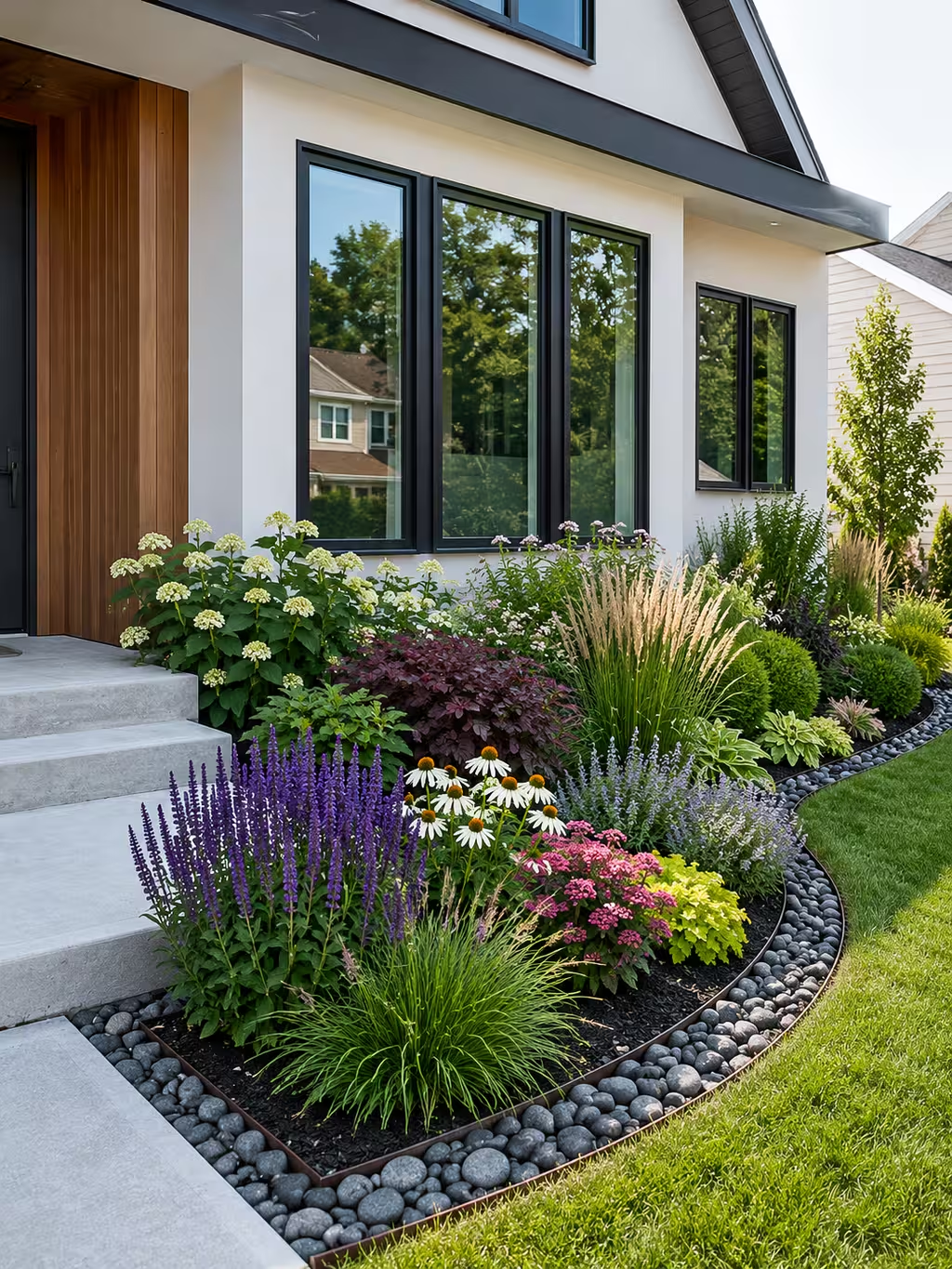
Smooth river rocks draw a clean, simple line between the lawn and the garden bed. It's a small touch, but it gives the whole space a finished look without adding much cost. Inside the border, mix white panicle hydrangeas with tall purple salvia and white echinacea. Burgundy heuchera adds some deeper color low to the ground, and feathery ornamental grass softens the edges. Dark mulch helps all of it stand out against the soil. Among cheap front yard landscaping ideas, this one stands out for how little the metal edging and river rock actually cost to install.
20. Build a Boulder Garden
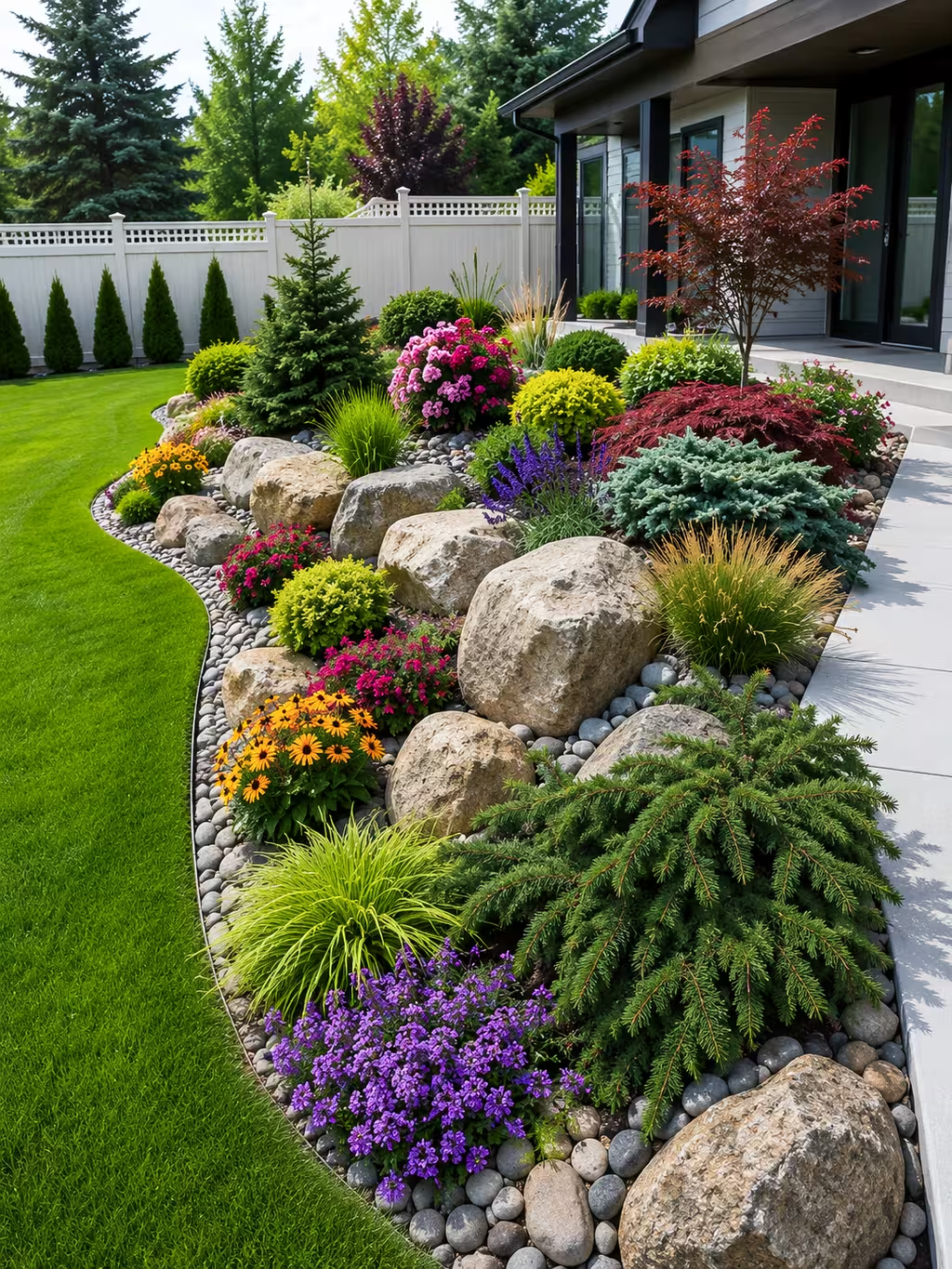
Large golden boulders and gray river stones form the base of this yard. Purple ajuga spreads low beneath them like a carpet. Orange rudbeckia and pink rhododendron add color. Plant them a short distance from the rocks so they stand out on their own. A blue spruce and a spreading evergreen keep the bed full through fall and winter. A tall red Japanese maple adds height at the back. In autumn, it brings a strong burst of color. This is a solid pick if you want a yard that still looks good in the colder months.
How to Generate Front Yard Landscaping Ideas from a Photo
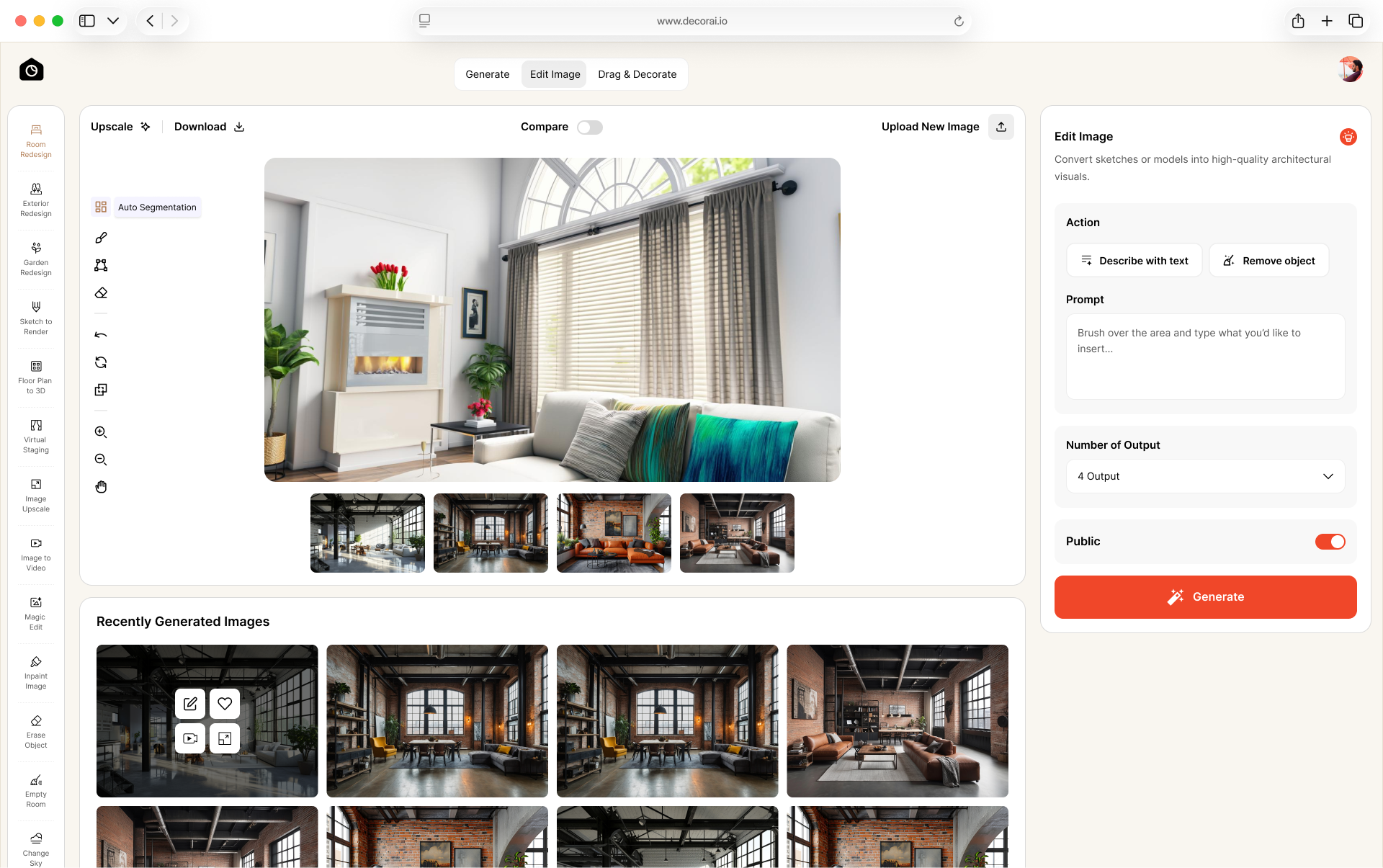
Finding the right front yard design used to mean flipping through magazines or hiring a landscape architect just to get a rough concept. Now you can skip all of that. With DecorAI's Landscape Redesign tool, you upload a photo of your actual front yard and the AI generates photorealistic redesigned versions in different styles.
Here is how it works:
1: Upload your yard photo. Take a clear photo of your front yard. Stand at the street or sidewalk and capture the full view. Include the walkway, any existing planting beds, the porch or entryway, and as much of the yard as possible. Natural daylight works best. Avoid shadows from trees or cars blocking key areas. Then upload it to DecorAI's Landscape Redesign tool.
2: Choose a style that matches your vision. Pick from 175 design styles, whether that is modern minimalist, cottage garden, xeriscape, farmhouse, or Mediterranean. You can also describe what you want in your own words using the text prompt option. The AI adapts the redesign to fit your actual yard, not a generic template.
3: Generate multiple variations and compare. Select up to 4 output variations you want to generate at once. Each variation explores a different arrangement of walkways, planting beds, and focal points. Compare them side by side to see which layout feels right for your home and lifestyle.
4: Refine and experiment. Use other built-in tools to refine your generated results. You can swap styles, remove or replace any particular part, or apply different weather conditions.
5: Use the output as your planting plan. Once you settle on a design, you have a clear visual reference for which plants go where, how the walkway curves, and how the beds are layered. Use it as your DIY project plan, or take it to your local nursery or landscaper to bring the design to life.
This approach solves the biggest problem with front yard planning. You can never quite picture how a new design will look on your own property. A description or a Pinterest pin shows you someone else's yard; DecorAI shows you yours.
Ready to tackle the rest of your yard? These 35 backyard landscaping ideas cover everything from pool layouts to fire pit zones. If your yard is on the smaller side, these 15 backyard ideas for real homes show how to make the most of limited space.
Frequently asked questions
Layered planting beds with a clear walkway work best. Put tall plants like hydrangeas in the back, medium plants like coneflowers in the middle, and low plants or boxwood along the front edge. A curved stone or flagstone path leading to the door pulls the whole look together.
A simple refresh with mulch, edging, and a few plants can cost under $500. A full redesign with a new walkway and professional installation can run $3,000 to $15,000 or more. Planning first helps you avoid costly mistakes.
Hydrangeas, lavender, salvia, coneflowers, and boxwood are reliable choices for most climates. In hot, dry areas, agave, ornamental grasses, and drought-tolerant plants like rudbeckia work better.
Yes. Upload a photo of your yard to DecorAI's Landscape Redesign tool, and it generates AI-made redesigns in different styles. You can try multiple looks before making any real changes.
Xeriscaping is the easiest low-maintenance front yard landscaping idea. It cuts down on both mowing and watering more than any other approach here. Swap your lawn for river rock or gravel, add drought-tolerant plants like agave and ornamental grasses, and use a few boulders as focal points.
Curved walkways suit modern, cottage, and transitional homes and feel more welcoming. Straight walkways suit contemporary and minimalist homes with clean lines. Either way, add defined edging to separate the path from the planting beds.
Final Words
Not all front yards that look expensive need a big budget. They just need a clear plan. Pick a walkway shape, choose a few plants that suit your climate, and layer them with intention. Add mulch or rock for a clean finish, then build the rest of the design around one strong feature, like a boulder or a curved path. Whether you want small front yard landscaping ideas or a full rock garden, the same rule applies: start with structure, then build the rest around it.
Design your front yard with AI
Generate your front yard ideas with only one photo.