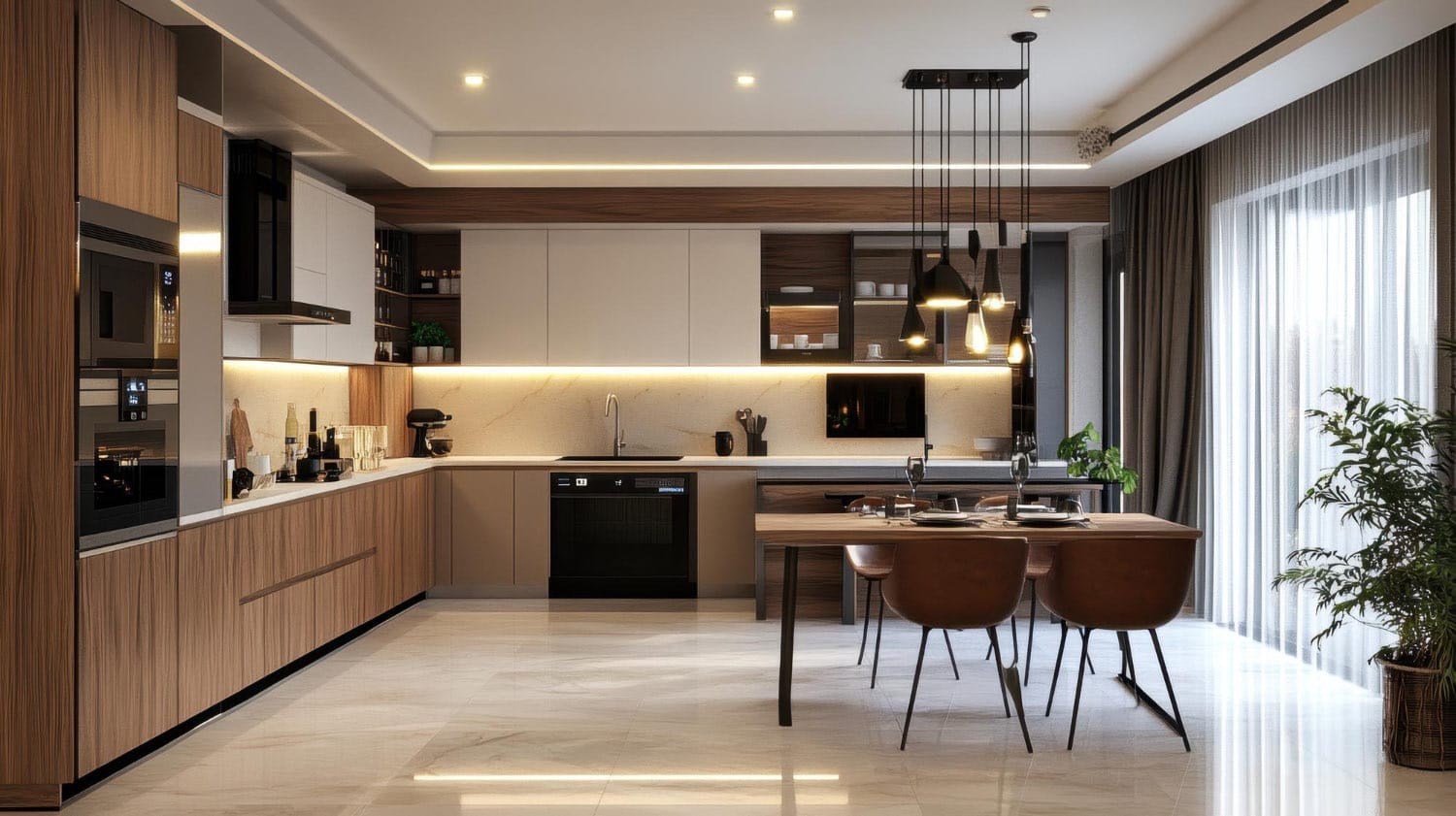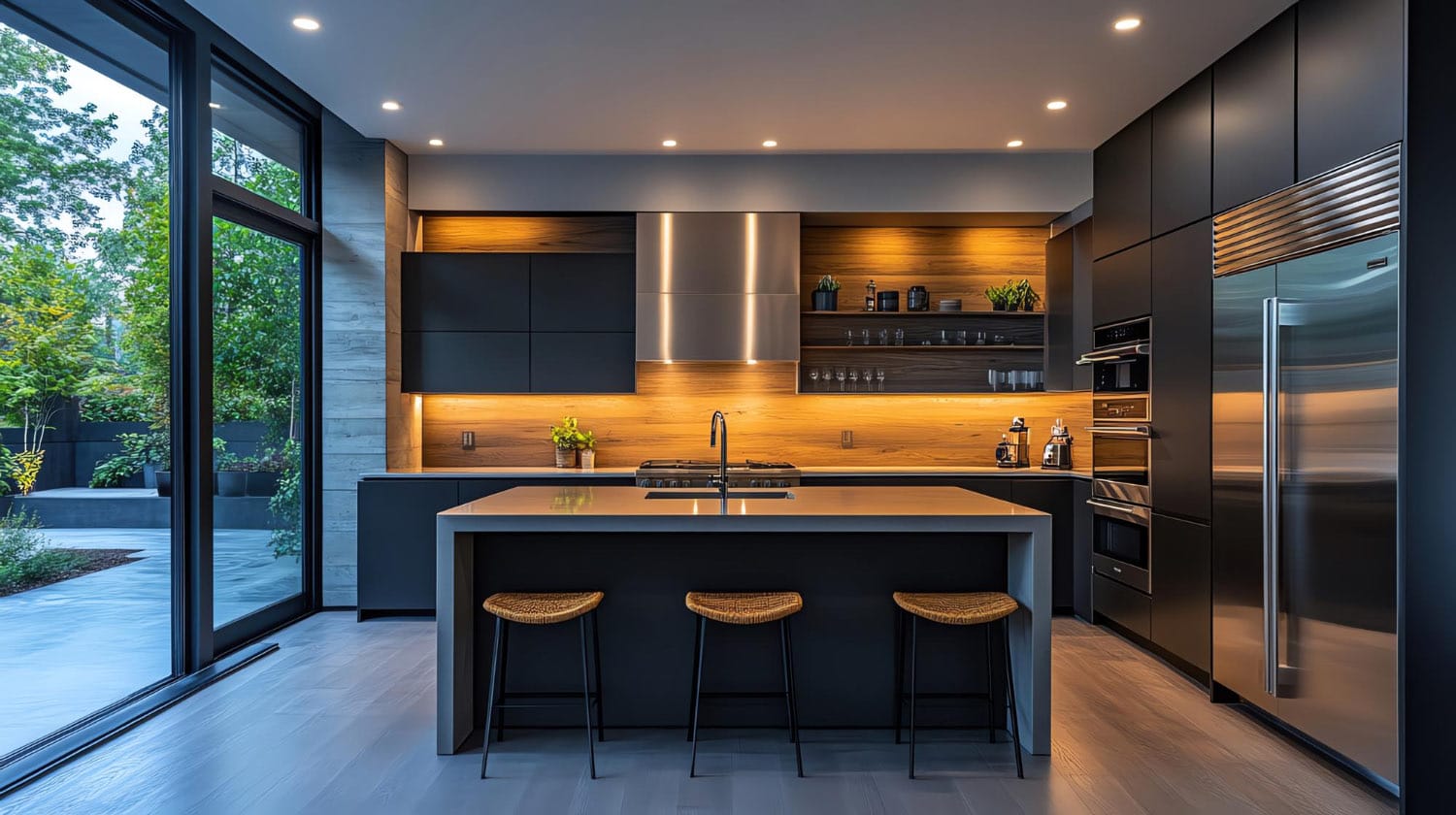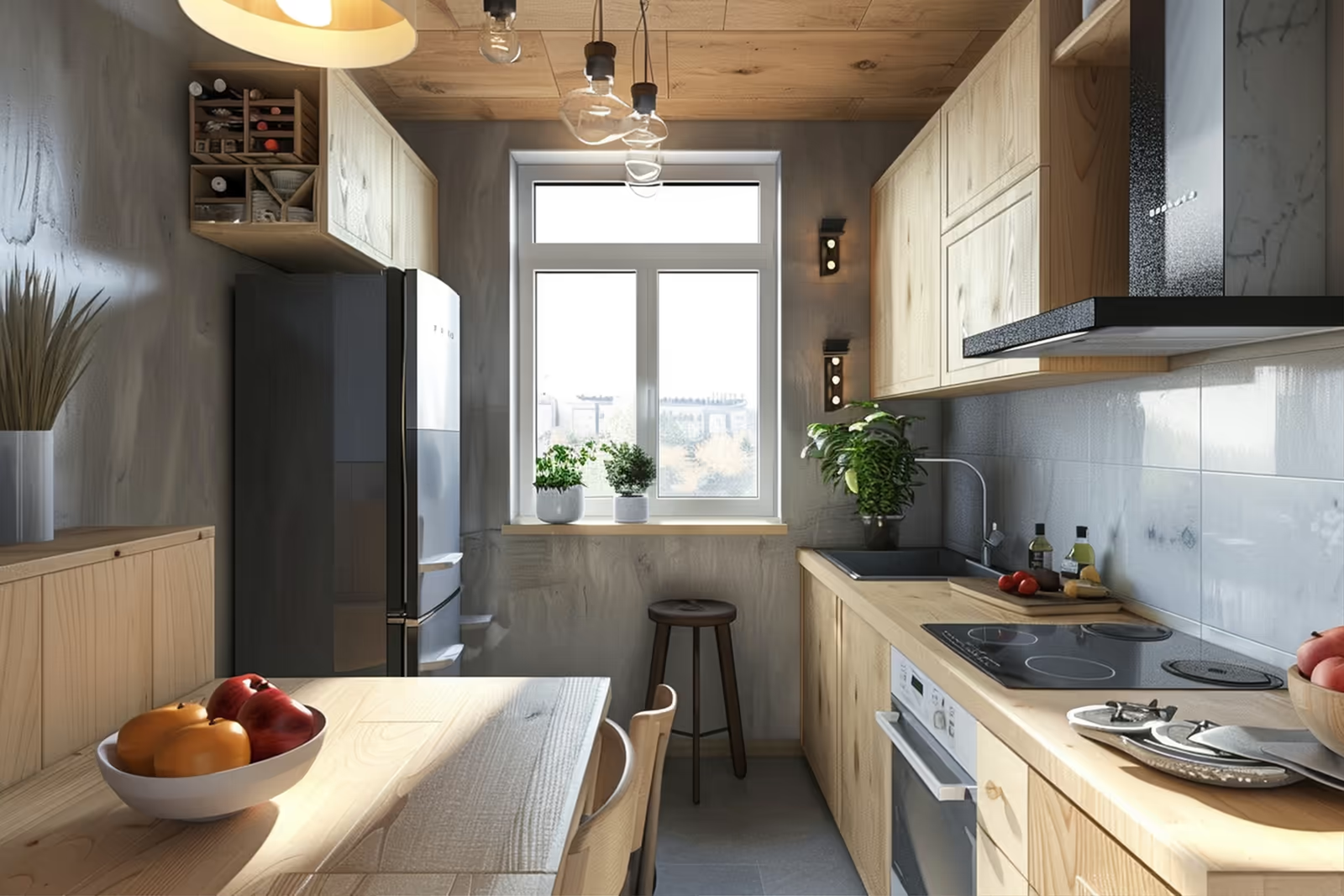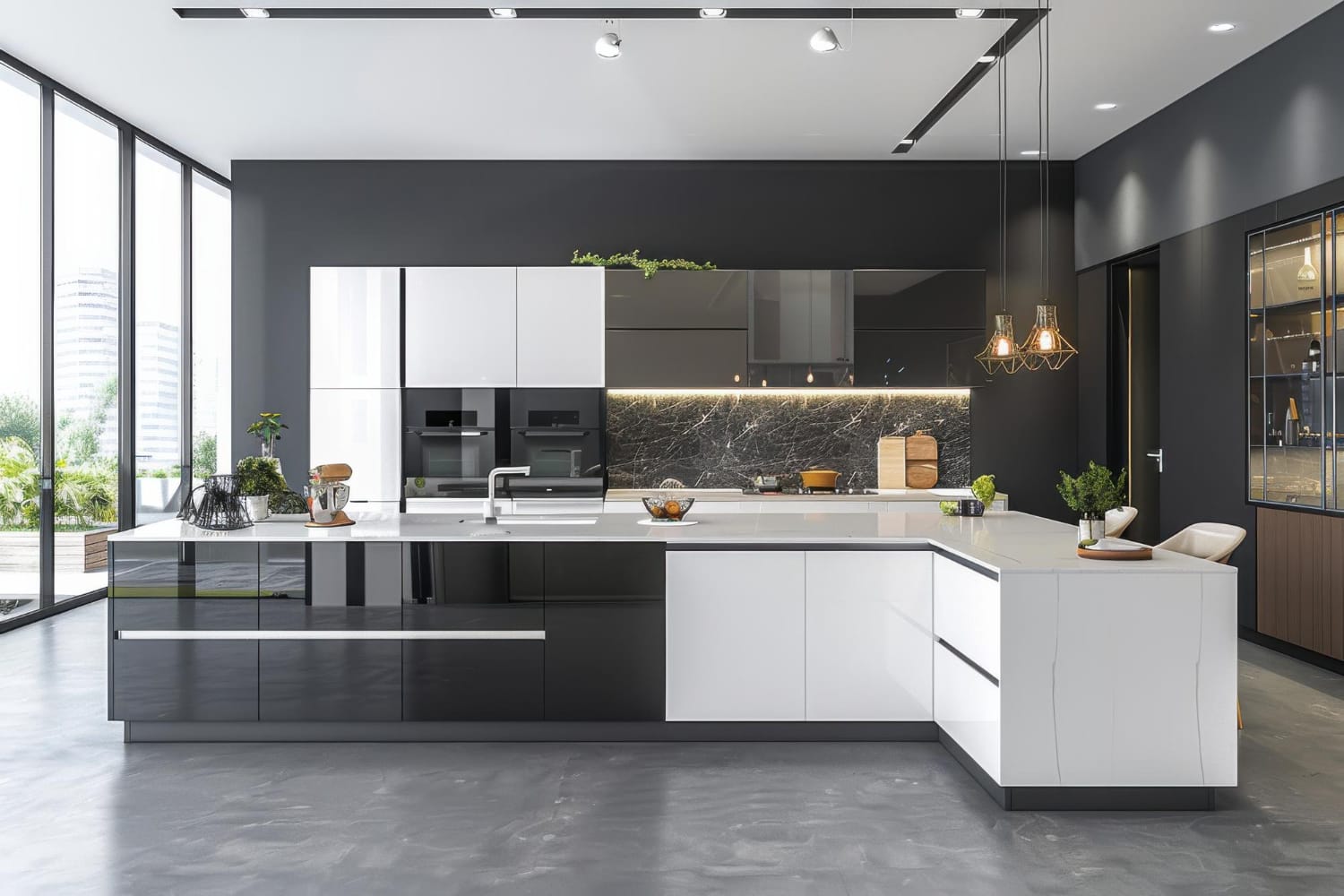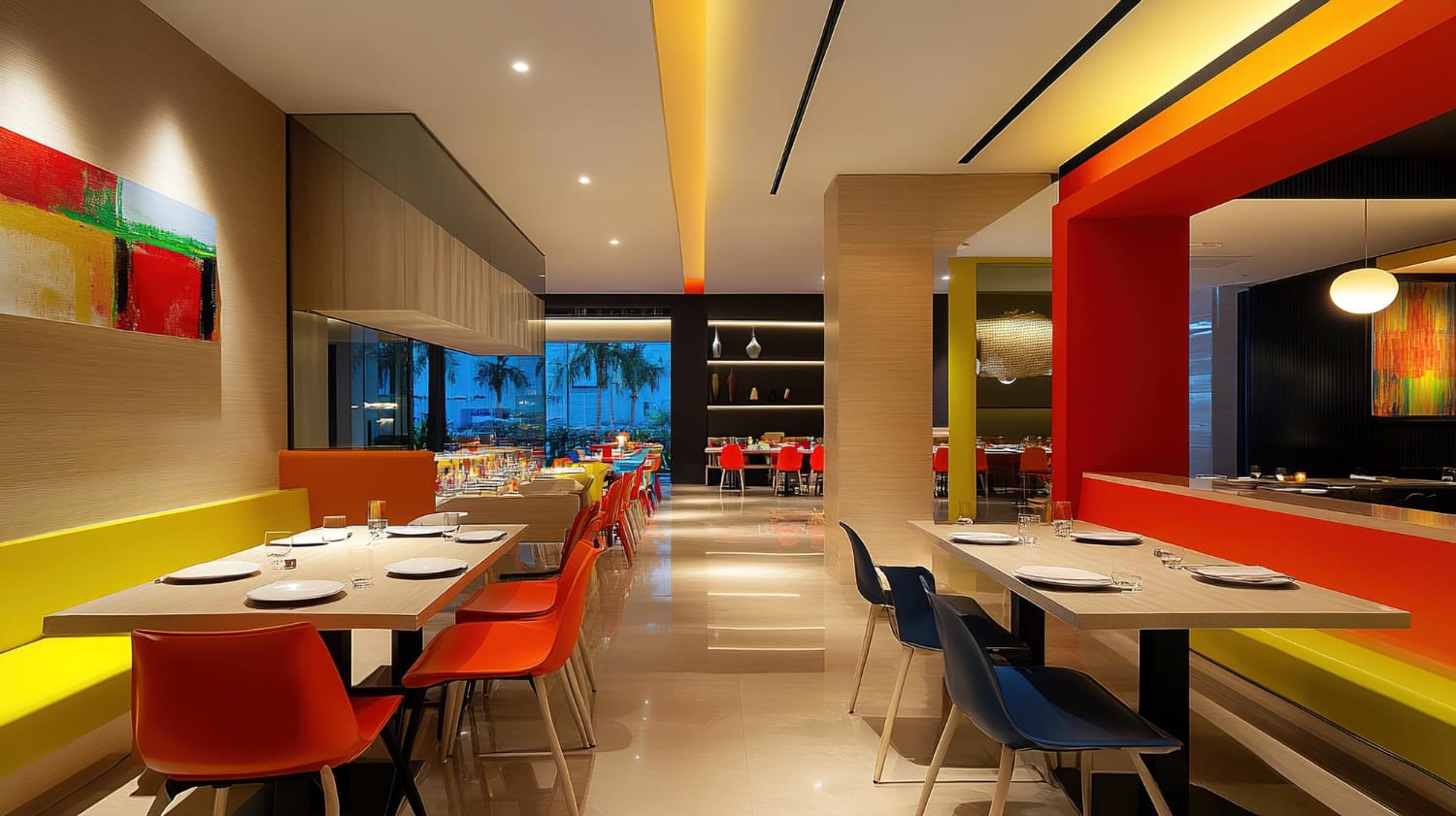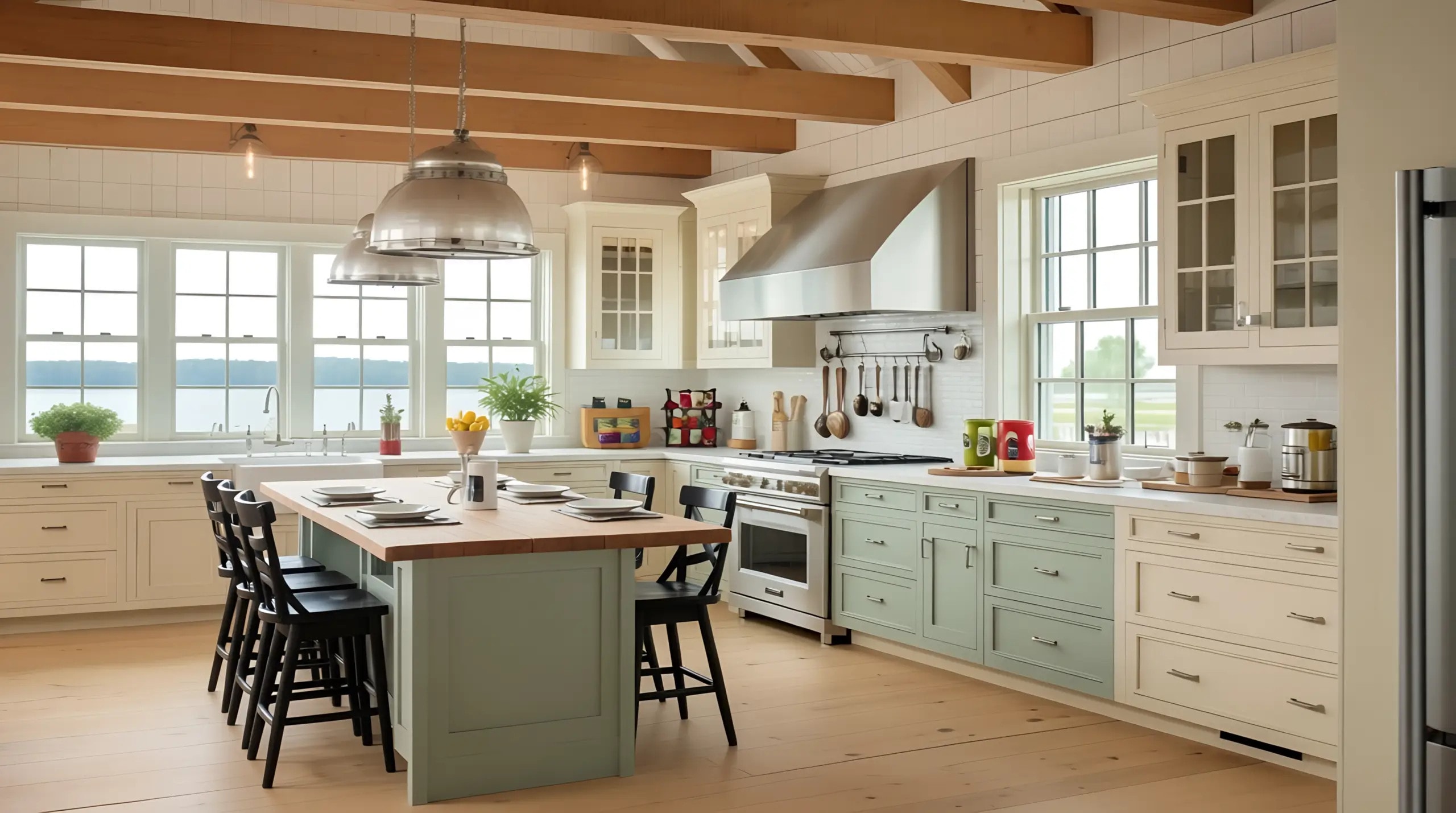
It is only five years later that you realize the bold decision that felt fresh has started to feel dated. This guide covers exactly what timeless kitchen design means, and how to see your choices clearly before committing to any of them.
Kitchen renovations are one of the most expensive investments a homeowner makes. Getting a timeless kitchen design right the first time means you never have to do it again. The problem is that in the middle of planning, everything feels equally current. It is only five years later that you realize the bold decision that felt fresh has started to feel dated. This guide covers exactly what timeless kitchen design means, and how to see your choices clearly before committing to any of them.
What Makes a Timeless Kitchen Design Last
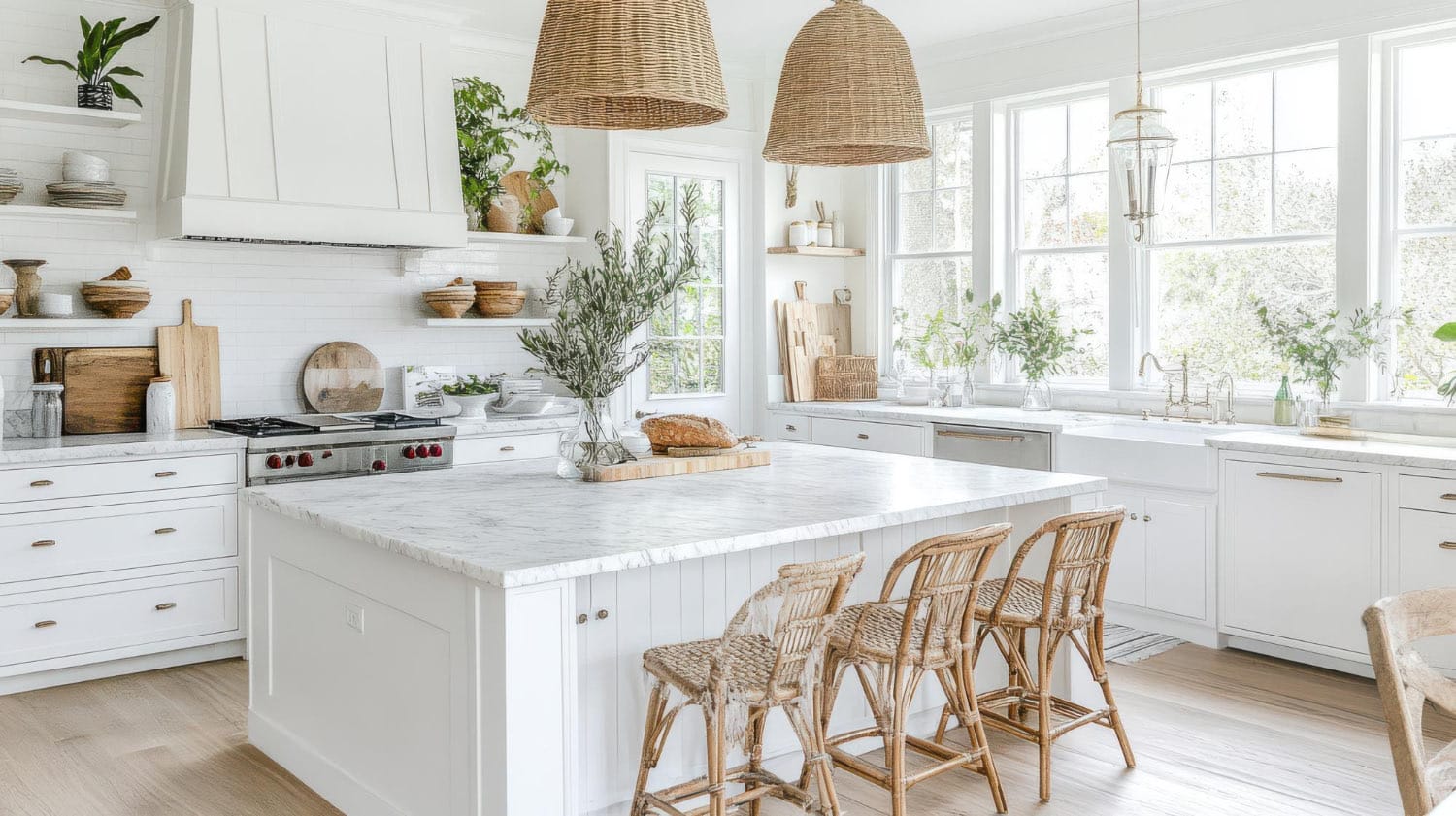
A timeless kitchen design is built around a functional layout, quality materials, and a neutral foundation that does not rely on passing trends to feel relevant. The permanent elements, such as cabinet profiles, countertop materials, and flooring, are chosen specifically for longevity. In contrast, trend-sensitive elements like hardware, lighting, and paint colors are kept flexible and relatively inexpensive to update.
The distinction matters more than most people realize during a renovation. A kitchen often becomes dated because a permanent decision was made for a trendy reason rather than a practical one. Adopting a timeless approach prevents the regret of having to rip out a functional layout simply because the cabinetry color reflects a specific, expired moment in time.
Three Factors That Determine How a Kitchen Ages:
- Simplicity in the Permanent Layer: Choose cabinet profiles with clean lines and countertop materials that develop character over time. Natural flooring materials and simple structural choices allow the kitchen to remain stylish across different eras.
- Neutrality in the Color Foundation: This does not strictly mean using white. A timeless base works with multiple palettes and can be refreshed without a total overhaul. Warm neutrals, natural wood tones, and soft greens with gray undertones have proven multi-decade track records.
- Quality in Construction: A kitchen that looks good in year one but deteriorates by year five is not truly timeless. Regardless of style choices, high construction standards and material durability are the quiet foundations of longevity.
What Is the Most Timeless Kitchen Design of All Time
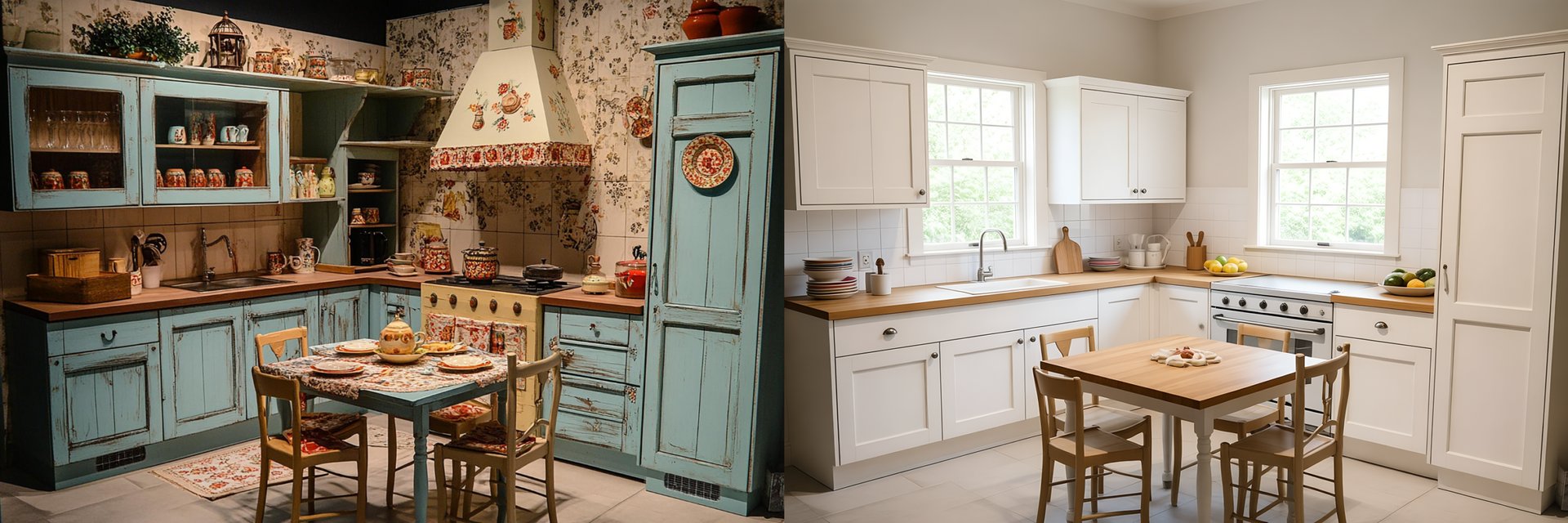
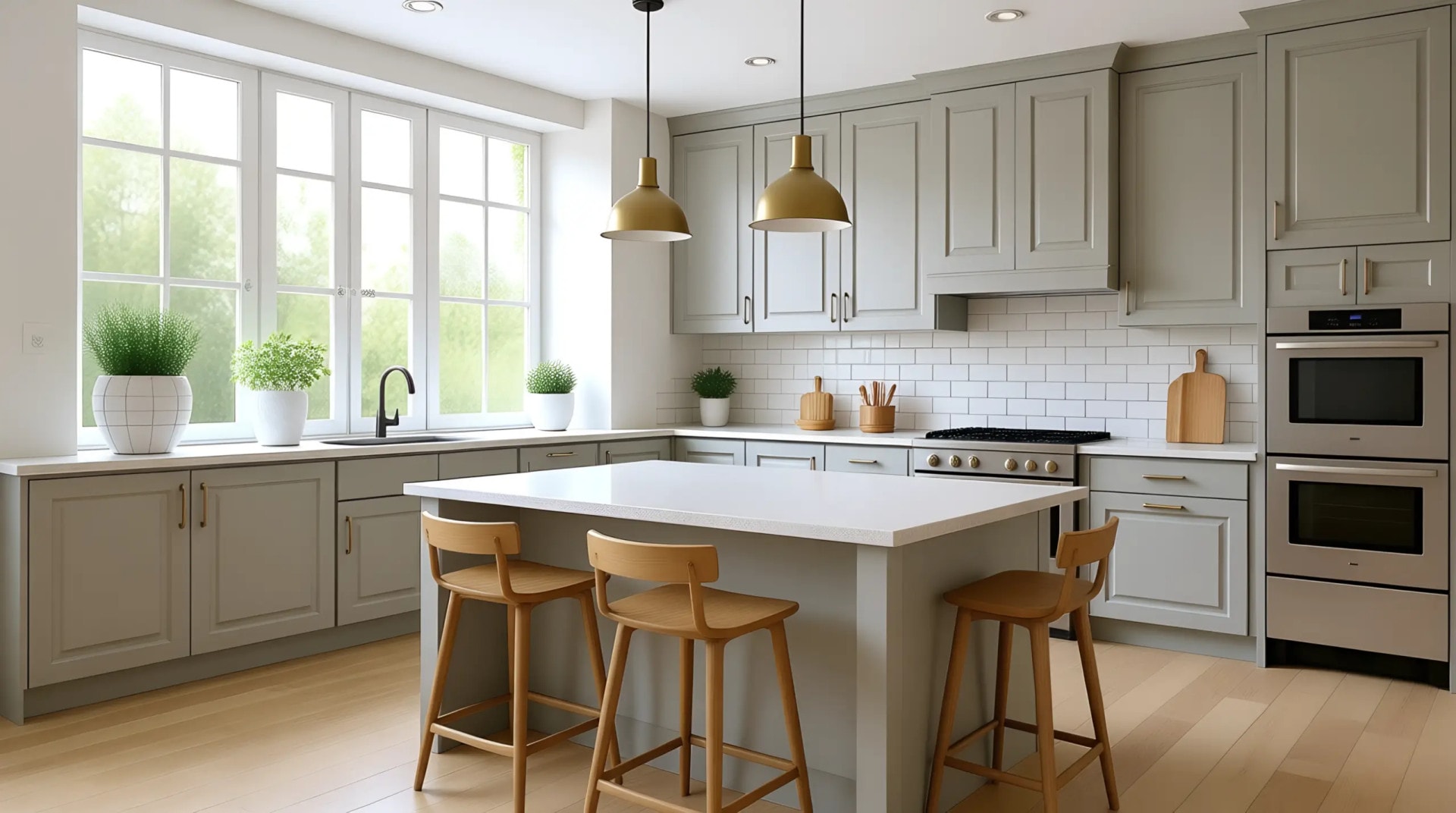
If you had to name one kitchen design that has outlasted every trend cycle, it is the white Shaker kitchen with natural stone countertops.
The Shaker style originated with a religious community in 18th-century America. Its principles were radical simplicity, honest materials, and zero ornamentation. The cabinet door profile that came from those principles, a flat recessed panel in a simple wood frame, has not meaningfully changed since. It appeared in colonial American homes, in mid-century renovations, in 1990s suburban kitchens, in the Scandi-influenced kitchens of the 2010s, and in every design publication in 2026. No other cabinet style has that longevity.
When paired with white or off-white paint, marble or quartz countertops, and classic hardware in brass or nickel, the white Shaker kitchen achieves something rare. It reads as both traditional and contemporary at the same time. Because you cannot easily place it in a specific decade, it fits the true definition of timeless.
The Key Lesson: The most enduring design decisions are those that belong to no particular moment. If you look at a kitchen and immediately know exactly when it was designed, it is the opposite of timeless.
Other Reliably Timeless Combinations:
- Warm wood cabinets paired with light stone countertops.
- Inset cabinetry in any neutral finish.
- Any layout built around functional efficiency with classic, high-quality materials throughout.
The Layout Comes First
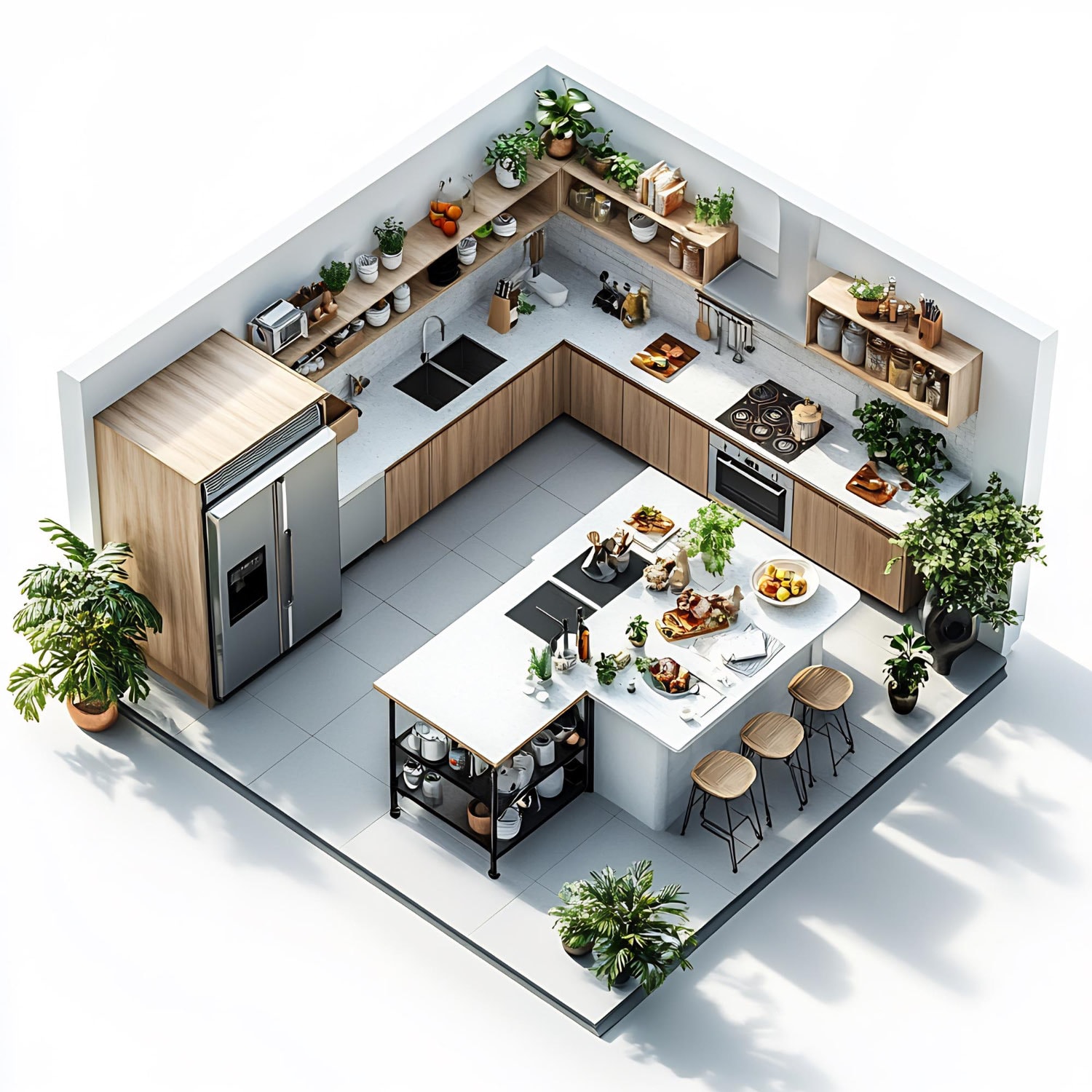
No amount of beautiful material choices will make a poorly planned kitchen feel timeless. Layout problems are the hardest and most expensive to fix after the fact. A kitchen that does not function well in daily use will be renovated much sooner than one that flows intuitively.
Beyond the Kitchen Work Triangle, These Timeless Principles Apply:
- Provide Generous Counter Space Near the Stove: This is the most underestimated practical requirement in kitchen planning. Having prep space on both sides of the cooktop is essential for safety and efficiency. If you want a timeless kitchen that won’t look dated in a small space, focusing on smart small kitchen design that prioritizes open counter flow over bulky appliances ensures the room remains functional as your needs evolve.
- Store Items Close to Their Point of Use: Place spices near the stove, everyday dishes near the dishwasher, and cleaning supplies directly under the sink.
- Keep a Clear Path to the Main Work Zone: Kitchens that require you to thread through the cooking area to reach the dining space are frustrating to live in long-term.
The style of the kitchen will evolve. However, once a layout is built, it almost never changes. Getting the floor plan right the first time is the most timeless decision any homeowner can make.
Timeless Kitchen Cabinet Styles That Last
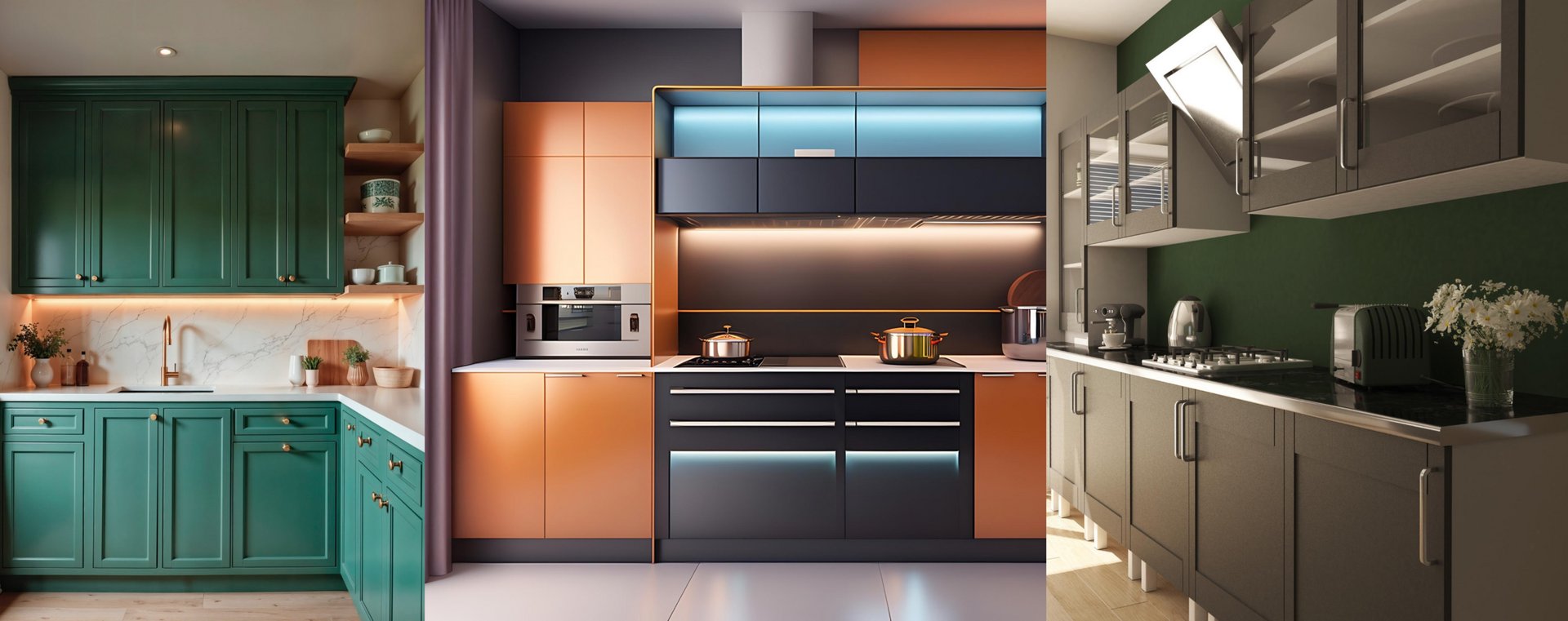
Cabinets are the single biggest visual element in any kitchen and represent one of the most expensive permanent decisions. Getting the profile right is more important than choosing the perfect color because profiles are structural, while color is easily changeable.
Timeless Cabinet Styles for Longevity:
- Shaker Cabinets: These are the default timeless choice. Their recessed panels and simple frames work equally well in traditional and contemporary kitchens. Because they are available at every price point and suit every layout, Shaker is almost always the safest answer for long-term style.
- Inset Cabinets: These sit flush with the face frame rather than overlapping it. This creates a furniture-like quality that looks crafted and intentional. While they cost more to manufacture and install due to precision fitting requirements, the result ages exceptionally well.
- Simple Raised Panels: These are a reliable traditional choice, particularly in farmhouse and transitional kitchens. While heavily ornate raised panels can look dated, simpler versions hold up over time.
What to Avoid:
Steer clear of highly stylized profiles, heavy decorative molding, and glass-front doors on every cabinet. Any profile that feels specific to a narrow design era should be avoided. While slab doors with visible grain are currently popular, their long-term longevity is not as established as classic framed styles.
For cabinet colors, a neutral base is the most timeless approach. White, soft off-white, warm cream, sage green, and navy have all demonstrated multi-decade staying power. Remember that paint can always be changed, but the cabinet profile is a permanent fixture. Start redesigning your kitchen cabinets with DecorAI.
Countertops and Materials That Last
The materials you choose for countertops, backsplash, and flooring define the sensory character of the kitchen. The timeless ones share a quality: they look better with age rather than worse.
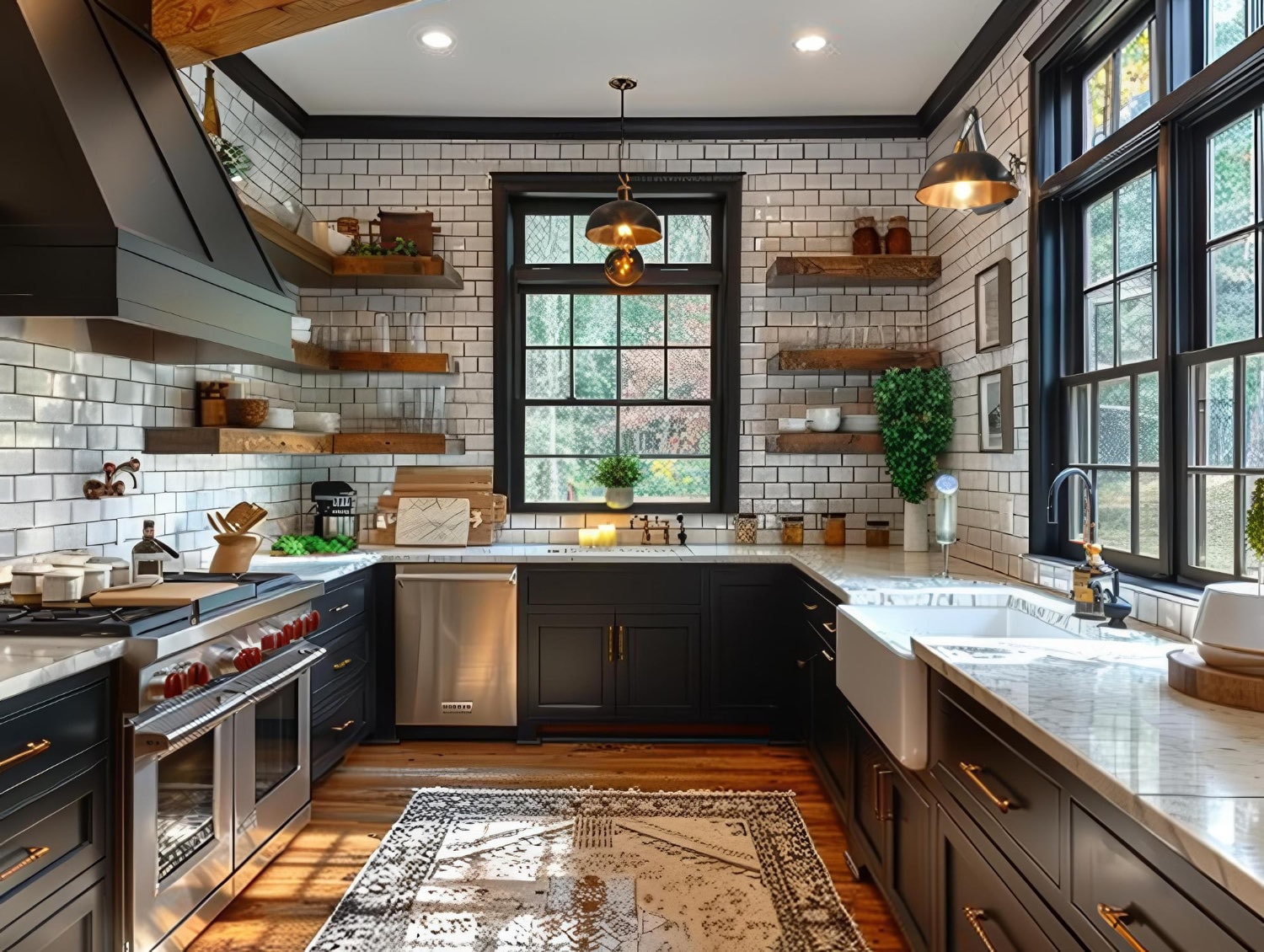
Natural stone countertops are the gold standard for timeless kitchen design. Marble, soapstone, and granite each develop a patina over the years of use that manufactured surfaces cannot replicate. They scratch, they stain, they absorb the history of the kitchen. For a detailed look at how natural stone countertops hold up over time, This Old House covers every stone type and what to expect from each. Quartz and sintered stone are the practical alternatives: they offer a similar visual quality with significantly lower maintenance and have now been in kitchens long enough to demonstrate real staying power.
Subway tile backsplash in a neutral glaze is arguably as timeless as Shaker cabinetry. It has been a kitchen standard since the early 1900s and has survived every wave of kitchen design that has come since. The format can vary (classic 3×6, larger 4×8, handmade for slight variation) without changing the essential timelessness of the choice.
What to Avoid:
- Trend-Dependent Materials: Avoid any surface whose appeal depends entirely on being “current” rather than inherently beautiful and durable.
Timeless Kitchen Colors: The Neutral Palette Rule
The advice to use neutral colors in a timeless kitchen design is correct, but it is often misunderstood to mean boring. Neutral does not mean white. It means a base color that works with multiple palettes, that does not read as specific to one trend moment, and that can be refreshed with changes to the soft layer rather than the hard one.
Colors with the Longest Track Records:
- Warm Whites and Off-Whites: These provide a crisp but inviting backdrop.
- Muted Greens: Soft sage and olive tones with gray undertones offer a connection to nature.
- Earth Tones: Warm creams and natural linen tones feel grounded.
- Deep Navy: A matte or flat finish in navy has demonstrated multi-decade staying power.
Color becomes a problem when it lives in a permanent layer: cabinets painted in a shade that is precisely on trend right now, a bold tile chosen as the dominant backdrop, or flooring in a stain that reads as a specific moment in time.
The timeless approach is to carry color in the soft layer: paint (changeable in a weekend), bar stools, textiles, pendant shades, plants, and small appliances. For a deeper look at how Scandinavian design applies this principle, the Scandinavian interior design guide shows the neutral palette in action across an entire home aesthetic.
How to Break the Neutral Rule Smartly:
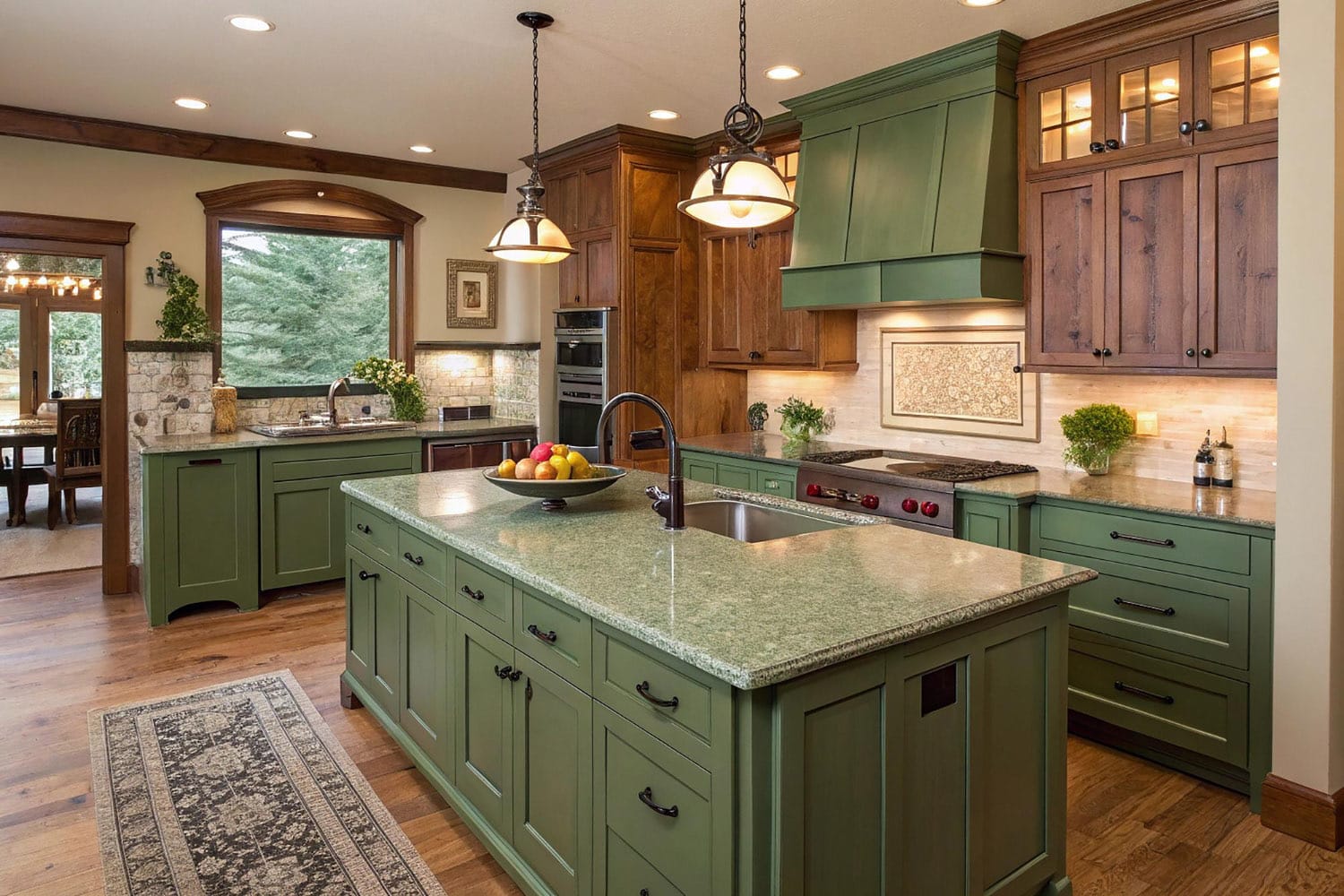
If you want more personality, choose one permanent element for color and support it with a neutral environment. You might consider a deep sage island against white perimeter cabinets or a terracotta floor tile under white Shaker uppers. This contrast makes the space feel intentionally designed without locking the entire room into a single, expiring moment.
Hardware, Fixtures, and the Details That Date a Kitchen
Hardware and fixtures are the trend layer of a timeless kitchen design. They are the details that date a space quickly when chosen for fashion reasons, and the details that can refresh a space for a fraction of the cost of a renovation when chosen well and updated occasionally.
Hardware Finishes with Proven Longevity:
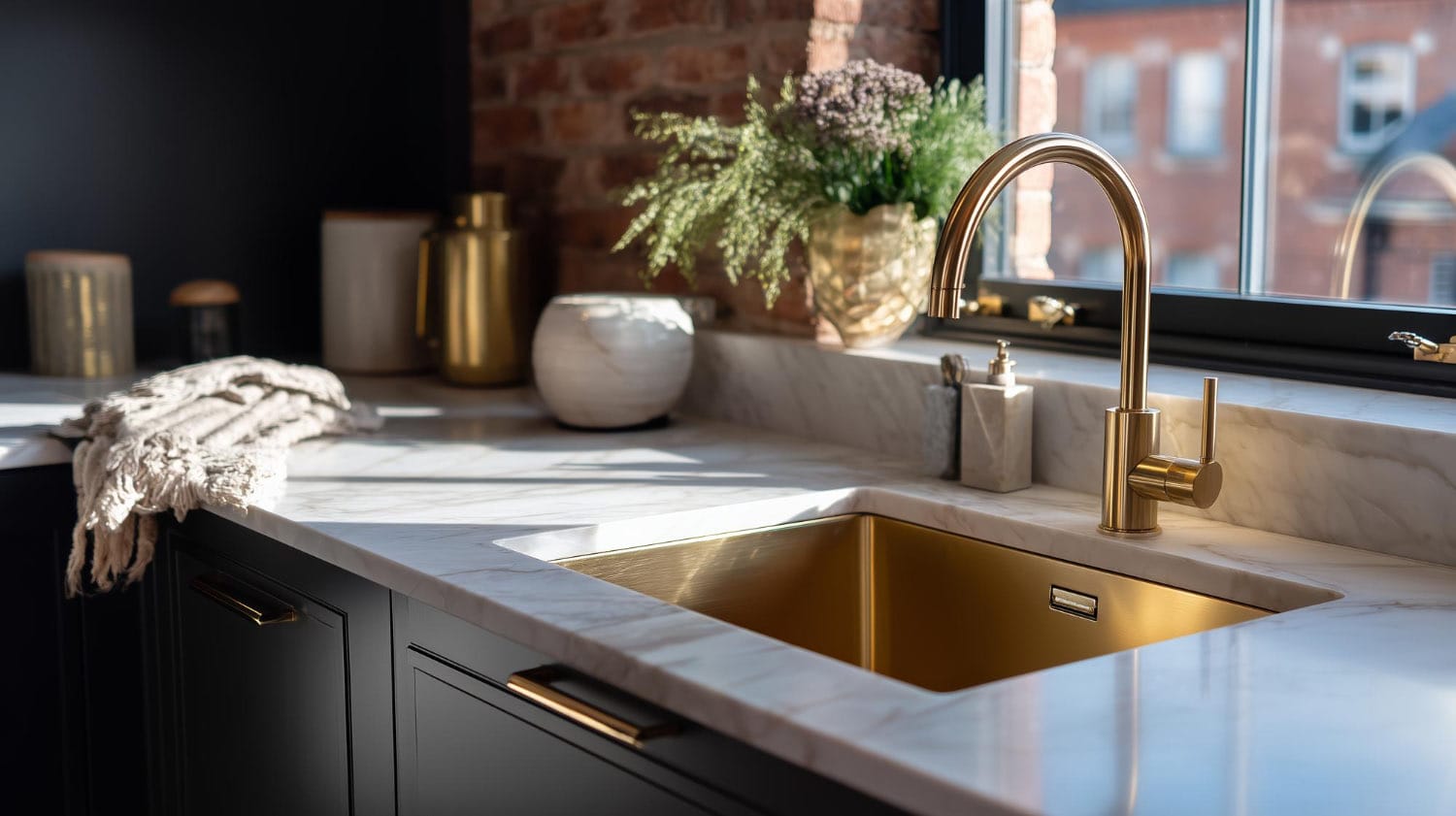
Brushed brass, polished nickel, aged bronze, and matte black have the best track records. Each has appeared in kitchens across multiple decades without becoming era-specific. While chrome and bright gold have seen peaks and retreats in popularity, brushed brass has remained a consistently credible choice since the 1970s.
Sinks and Taps:
Tap and sink combinations follow the same logic. An undermount stainless steel sink or an apron-front farmhouse sink in white or fireclay are choices that never go out of style. A statement tap in a classic finish, such as a bridge-style or a simple arc, belongs to no particular moment and remains timeless.
Details Most Likely to Date a Kitchen Quickly:
- Ornate Hardware: Highly decorative or themed handles that belong to a specific style era.
- Mismatched Styles: Cup pulls in an overtly rustic finish when the rest of the kitchen is contemporary.
- Design-Forward Appliance Handles: Integrated handles in a profile that will look outdated by the time the appliance needs replacing.
- Poor Lighting Temperatures: Under-cabinet lighting in a color temperature that fights the natural light rather than complementing it.
To ensure your kitchen ages well visually, layer your ambient, task, and accent lighting with warm bulbs throughout. See how to layer your lighting. A well-lit space always feels more intentional and enduring regardless of the specific style.
What Kitchen Design Trends to Avoid If You Want Longevity
Not every trend is a risk. Some trends reflect a genuine design evolution and will remain relevant. Others peak sharply and leave kitchens looking visibly era-specific. Here is how to tell the difference, and the specific ones most likely to cause regret.
Trends to Approach With Caution:
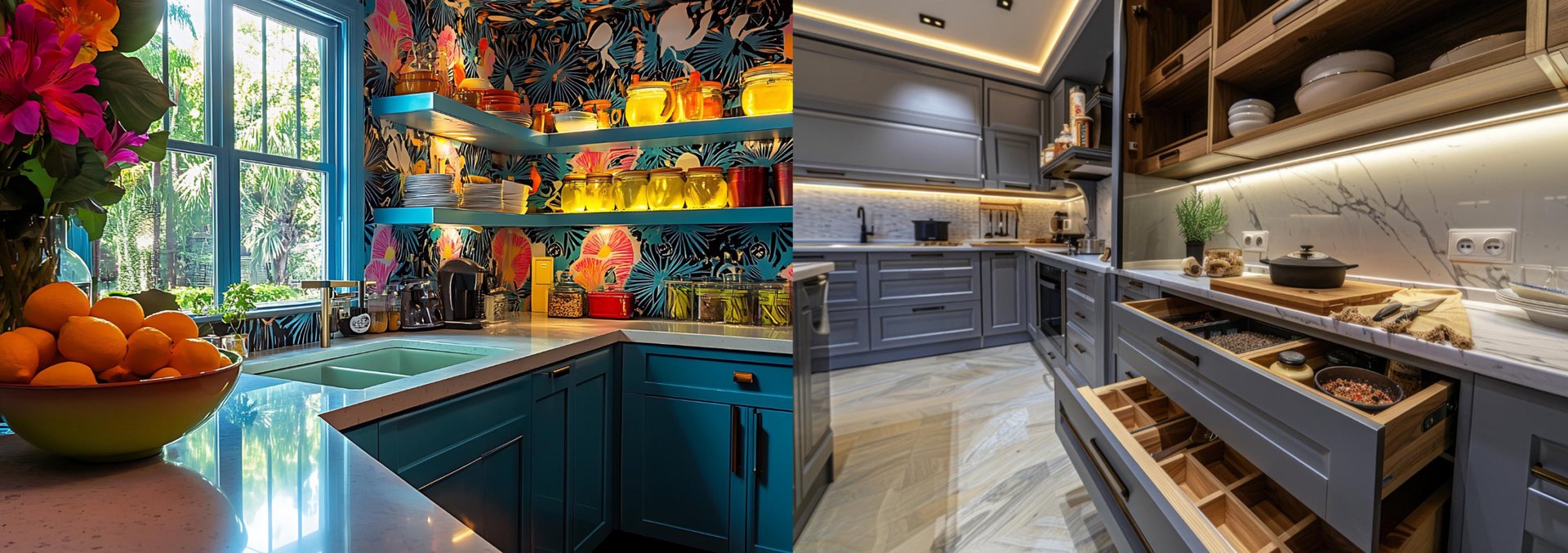
- All-Open Shelving as Primary Storage: Open shelving looks clean and styled in photographs, but in daily use, it requires constant maintenance and exposes items to grease and dust. Furthermore, the styled-open-shelf aesthetic is strongly associated with a specific period in interior design. If you want this look, use it selectively as an accent alongside closed cabinets.
- Statement Tiles as a Dominant Backdrop: A boldly patterned tile used across an entire backsplash or floor carries enormous visual weight. If the pattern is trend-driven, the entire room becomes dated once the trend passes. It is better to use patterns as accents in a small niche or a defined section of flooring.
- Heavily Themed Kitchens: A kitchen designed to be fully industrial or fully farmhouse has no room to evolve. True timelessness comes from blending elements rather than committing entirely to a single visual identity.
- Universal Glossy Surfaces: High-gloss cabinetry and reflective splashbacks can look striking as individual elements. However, when every surface is glossy, the kitchen can feel era-specific and shows wear much faster.
The Longevity Test: If undoing a design decision requires replacing a permanent material like cabinet doors, countertops, or flooring, treat it with serious caution. If the change only requires a coat of paint or a swap of accessories, the risk is much more manageable.
How to See Your Timeless Kitchen Design Before You Build It
The single biggest practical advantage available to anyone planning a kitchen renovation today is the ability to see the finished result before making a single permanent decision.
Knowing in principle that white Shaker cabinets are timeless is different from knowing how they will look in your specific kitchen, with your ceiling height, your natural light, and your flooring. Knowing that sage green is a reliable neutral does not tell you whether sage green works against the warm brick wall behind your stove.
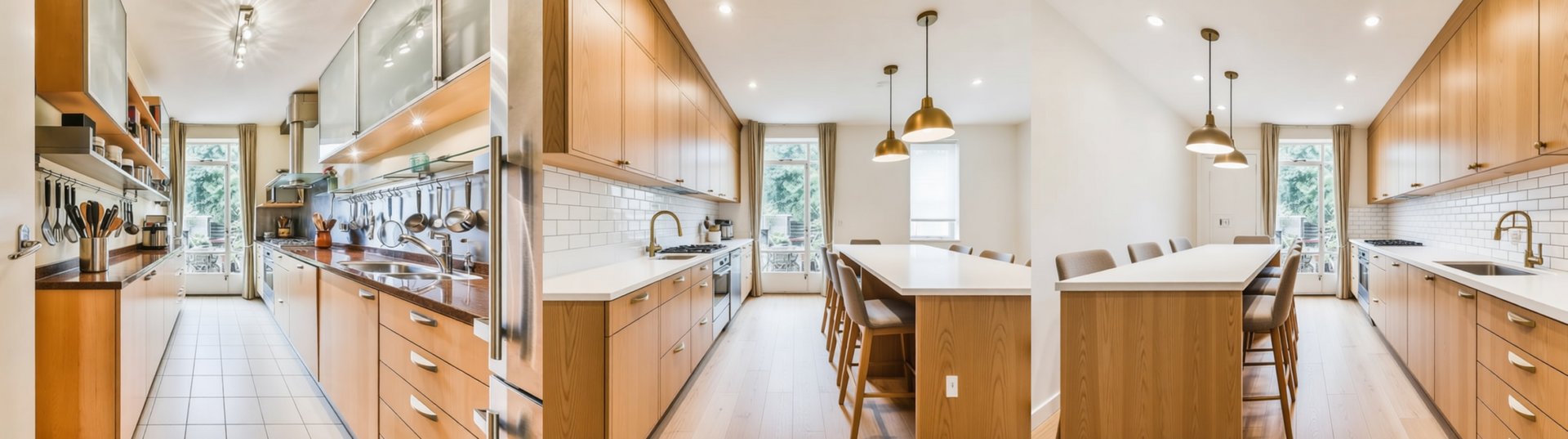
DecorAI’s Kitchen Redesign tool closes that gap. You upload a photo of your current kitchen, select a style or describe what you want, and generate a photorealistic redesign in seconds. You can run the same space in a classic Shaker palette, a transitional warm wood version, and a modern navy-and-brass combination, and compare them side by side before committing to anything.
Using DecorAI for Timeless Kitchen Design Planning:
- Take a clear photo of your current kitchen with good natural light and the full space in frame.
- Go to DecorAI and open the Kitchen Redesign tool.
- Use Pro mode to specify: Layout (kitchen type, upper cabinets, island size and seating), Style (overall style, cabinet style, cabinet color), Materials (countertop material, backsplash, flooring), Details (appliance finish, hardware/handle, lighting tone), Select/deselect (recessed ceiling lights, pendant/statement lighting, under-cabinet strip lighting, track lighting).
- Generate four variations and compare. Look specifically at whether the choices read as belonging to a particular moment, or whether they look as relevant in a decade as they do now.
- Use the result as your renovation brief. Share it with your designer or contractor to align on the direction before any materials are ordered.
To get more trending kitchen design ideas, explore 30+ Kitchen Design Ideas That Actually Fit Your Space.
Ready to Generate Timeless Kitchen Design Ideas with DecorAI?
Upload one photo. See your space redesigned in seconds.
No design experience needed.
FAQ About Timeless Kitchen Design
What is a timeless kitchen design?
A timeless kitchen design is one built around a functional layout, quality materials, and a neutral color foundation that does not rely on current trends to feel current. The elements that define it, such as Shaker cabinets, natural stone countertops, and classic hardware finishes, have remained consistently popular across decades rather than peaking and fading with a single trend cycle.
What kitchen design never goes out of style?
The white Shaker kitchen with natural stone countertops is the single most enduring kitchen design. It has remained a top choice for over a century because its simplicity allows it to read as both traditional and contemporary, depending on the hardware, lighting, and accents chosen around it. Other reliably timeless combinations include warm wood cabinets with quartz countertops and inset cabinetry with marble or soapstone.
What makes a kitchen design timeless?
A kitchen design becomes timeless when its permanent elements (layout, cabinet profile, countertop material, flooring) are chosen for longevity rather than trend relevance, and its easily updated elements (hardware, paint color, lighting pendants, bar stools) carry the current style. The goal is a foundation that does not need replacing every decade, with a surface layer that can evolve inexpensively.
What kitchen design trends should I avoid?
Trends most likely to date a kitchen quickly include all-open shelving as the primary storage solution, heavily themed designs that belong entirely to one visual identity, bold statement tiles used as the dominant backdrop, and any permanent finish chosen because it is currently popular rather than classically grounded. A useful rule: if undoing the decision requires replacing a permanent material, treat it with caution.
What is the golden rule for kitchen design?
The golden rule of kitchen design is to invest in the permanent elements and save on the temporary ones. Spend on layout planning, cabinet construction quality, countertop material, and flooring. Keep flexible the things that are easier to change: hardware, light fixtures, paint color, bar stools, and accessories. This approach allows the kitchen to stay current without requiring a full renovation every time trends shift.
How do I design a timeless kitchen?
Start with a functional layout built around the work triangle. Choose a classic cabinet profile (Shaker or inset), a natural or engineered stone countertop, and a neutral color foundation. Use hardware and lighting as your trend layer, choosing finishes with consistent longevity. Before committing to anything, upload a photo of your kitchen to DecorAI and generate a timeless-style redesign to see how each choice looks in your actual space. See the flexible pricing plan.