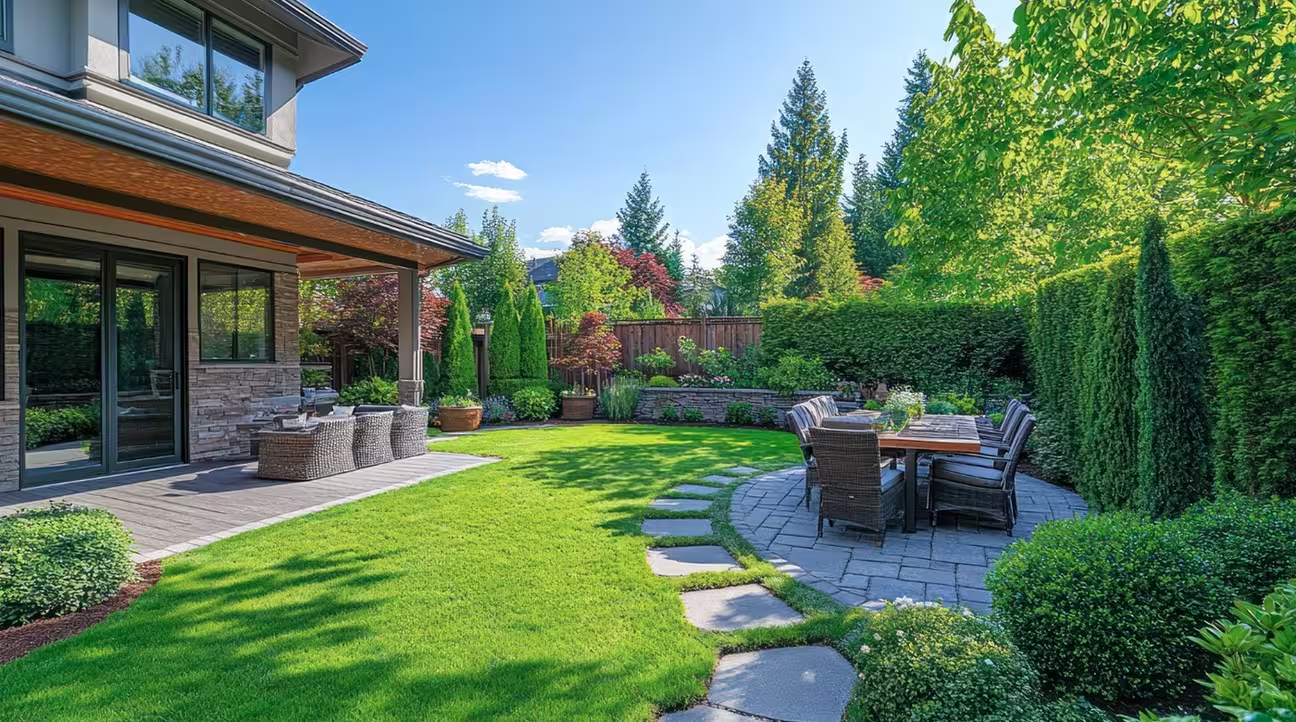
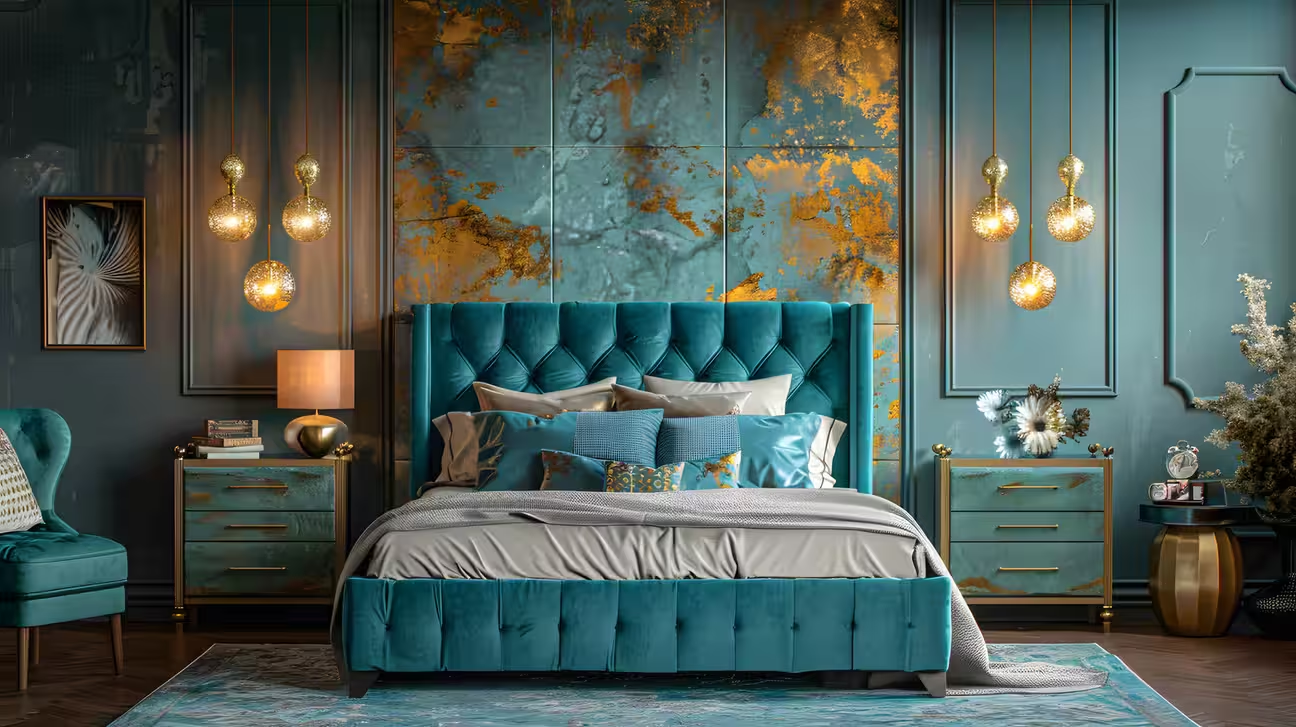
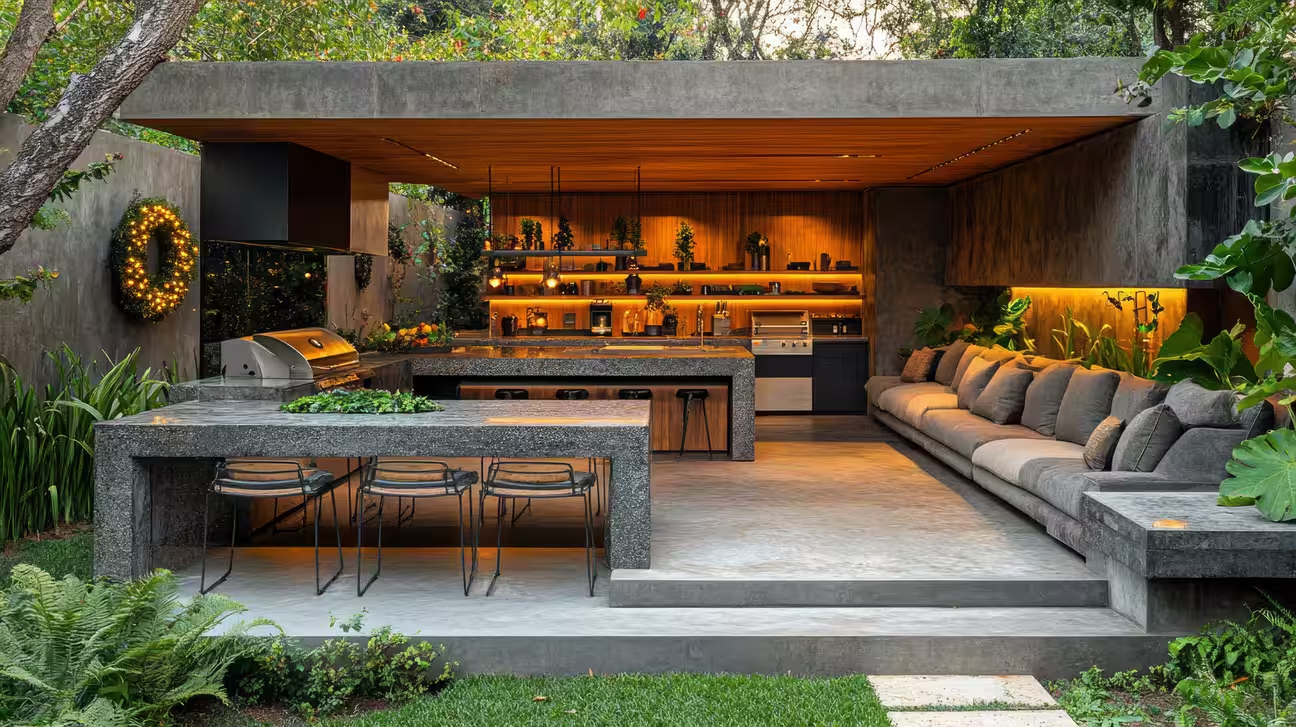
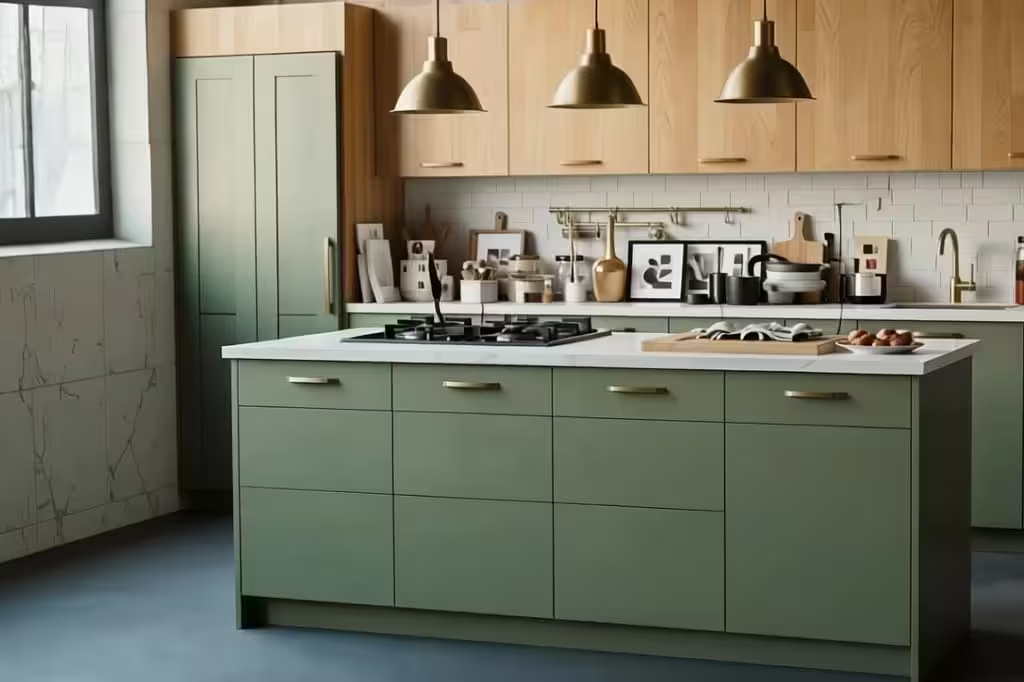
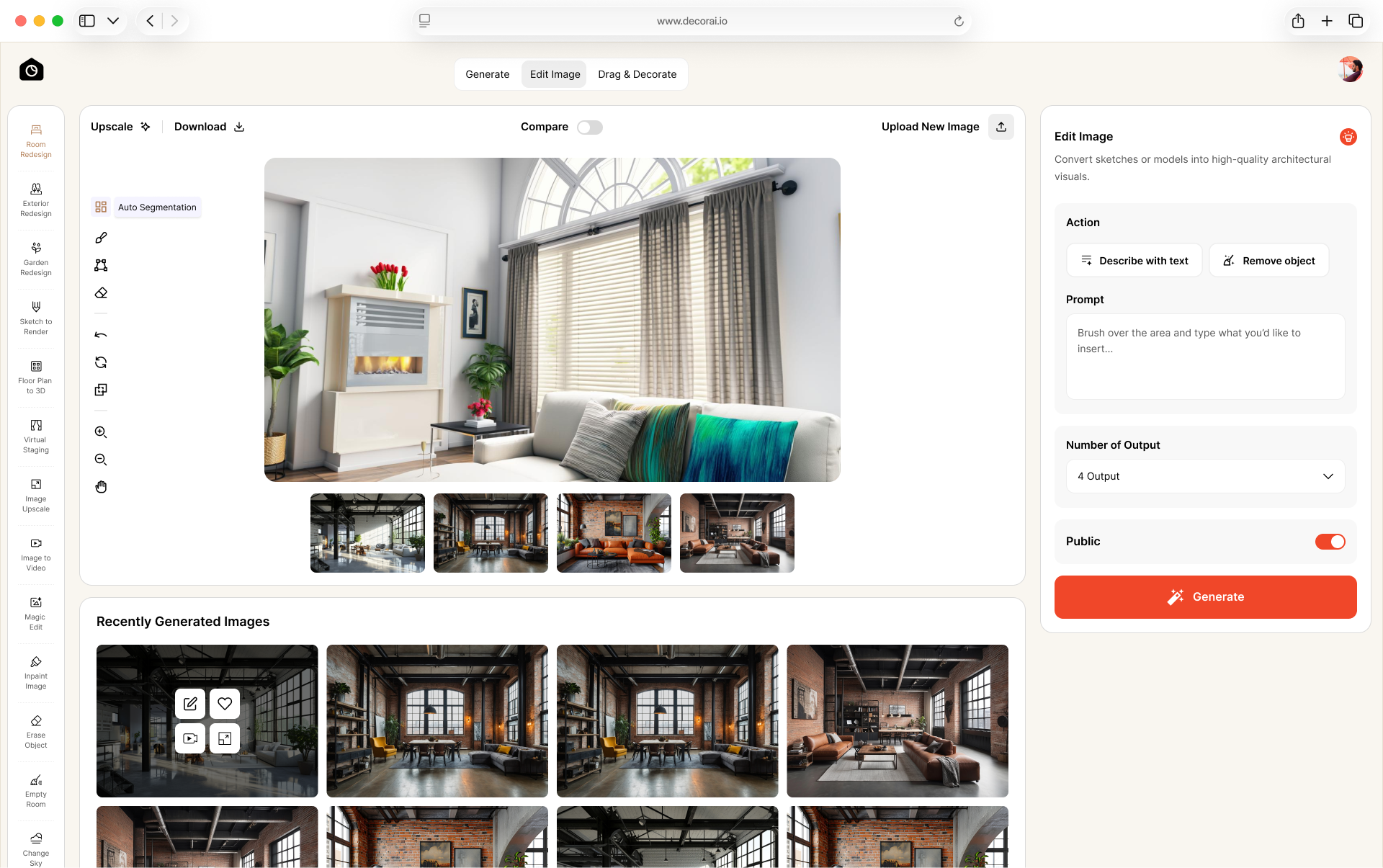
Your living room sets the tone for your entire home. But when every design idea online looks the same, it’s hard to know where to start or whether a style will actually work in your space. This guide walks you through the most effective living room interior design ideas of 2026, from minimalist layouts to bold accent walls, with practical tips for every room size and budget. And if you want to see how any of these ideas look in your actual space before changing a thing, DecorAI lets you upload a photo and generate a redesign in seconds.
Living Room Interior Design Ideas
Living room interior design is the process of planning how a space looks, feels, and functions, covering everything from furniture layout and color palette to lighting and material choices. A well-designed living room balances comfort with personality, giving you a space that works for daily life and still looks intentional.
The ideas below cover the most effective design approaches for 2026, whether you are starting from scratch, refreshing what you already have, or trying to make a small space feel bigger. Each section focuses on one core concept, so that you can apply it directly to your own room.
Minimalist Living Room Design: How to Do It Right
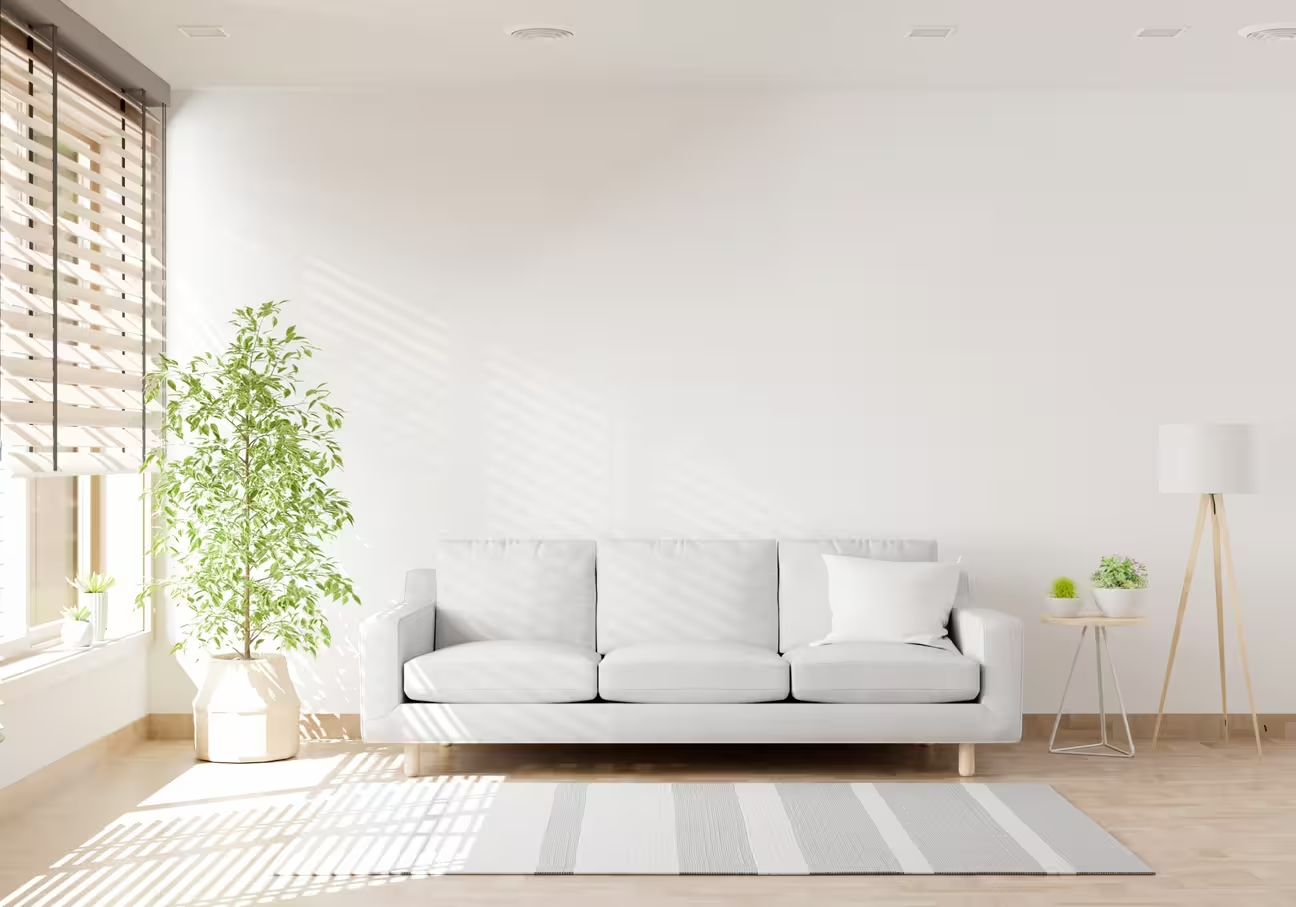
Minimalist living room interior design means keeping only what the room needs and making each piece count. The result is a space that feels open, calm, and easy to live in, without looking bare or unfinished.
The foundation is furniture with clean lines and a neutral base. A low-profile sofa in white, warm beige, or soft grey gives the room structure without demanding attention. Keep the floor as clear as possible. Wall-mounted shelves and hidden storage do the work that bulky cabinets used to do, freeing up visual space and making the room feel larger than it is.
Minimalism does not mean removing personality. Texture is what stops a neutral room from feeling cold. A chunky knit throw, a woven rug, or a linen cushion adds warmth without adding clutter. Round mirrors and sculptural vases bring shape and interest while keeping the overall look controlled.
Color works best when used deliberately. Stick to two or three tones drawn from the same family, such as white walls with an oatmeal sofa and a terracotta accent cushion. When every element shares a quiet visual language, the room feels considered rather than plain.
If you want to see how a minimalist layout would look in your actual space before moving a single piece of furniture, upload a photo of your living room to DecorAI and generate a redesign in seconds.
How to Light a Living Room the Right Way
Start with three lighting types:
- Ambient lighting. This is your base layer, the general light that fills the room. Recessed ceiling lights, a central pendant, or a large floor lamp all work here.
- Task lighting. Focused light for specific activities. A reading lamp beside the sofa or a desk lamp in a corner reading nook falls into this category.
- Accent lighting. Light that highlights something specific, a bookshelf, a piece of art, or an indoor plant. LED strip lights behind a TV unit or picture lights above a canvas are good examples.
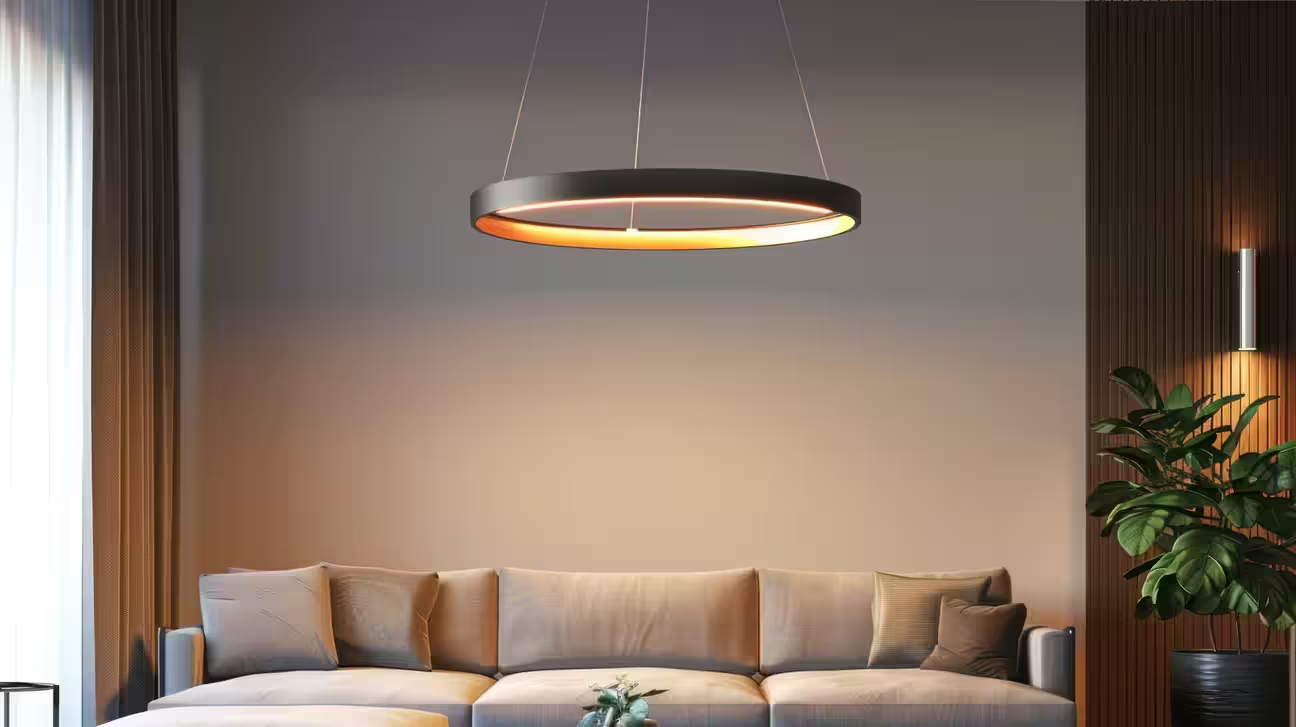
Once the three layers are in place, the fixture itself becomes part of the design. A sculptural pendant above a coffee table, an arched floor lamp beside an armchair, or a cluster of hanging bulbs at different heights all add visual interest without taking up floor space.
Dimmable bulbs make every layer more flexible. Being able to shift from bright and functional to warm and low in a few seconds changes how the room feels without changing anything physical.
Warm white bulbs, typically rated between 2,700K and 3,000K, work best in living rooms. This range is widely recommended by lighting experts for residential spaces because it flatters skin tones and creates a relaxed, inviting atmosphere. You can learn more about choosing the right bulb temperature from the U.S. Department of Energy’s lighting guide.
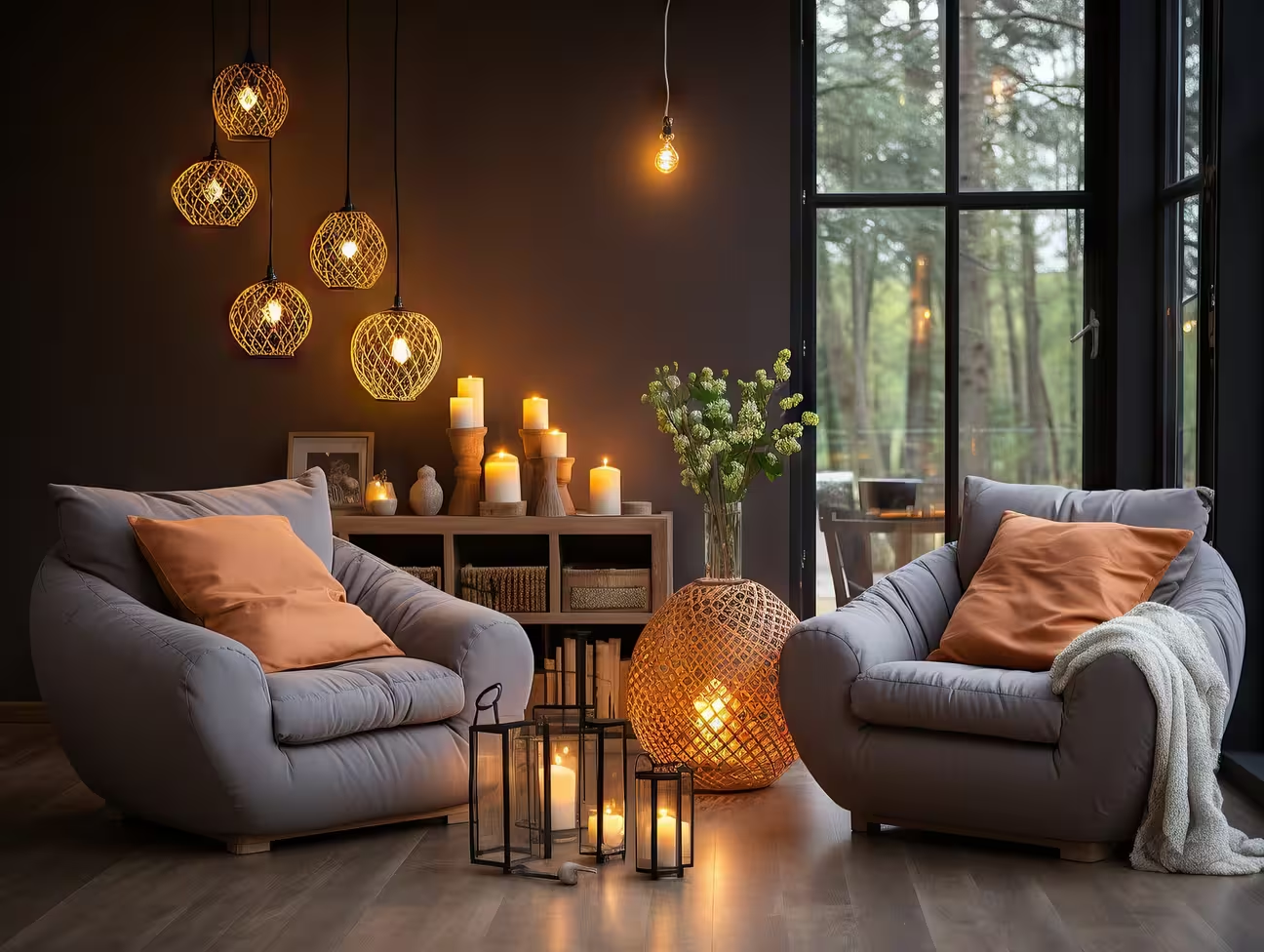
Smart lighting systems take this further. Bulbs that connect to your phone or a voice assistant let you shift between scenes instantly, bright and cool for a productive morning, warm and dim for an evening in. Some systems also allow color temperature changes throughout the day, which helps the room feel naturally energized or relaxed depending on the time.
Bold Accent Wall Ideas for Every Living Room Style
An accent wall is a single wall treated differently from the rest of the room, through color, material, or texture, to create a focal point. It is one of the most cost-effective ways to add personality to a living room without a full redesign.
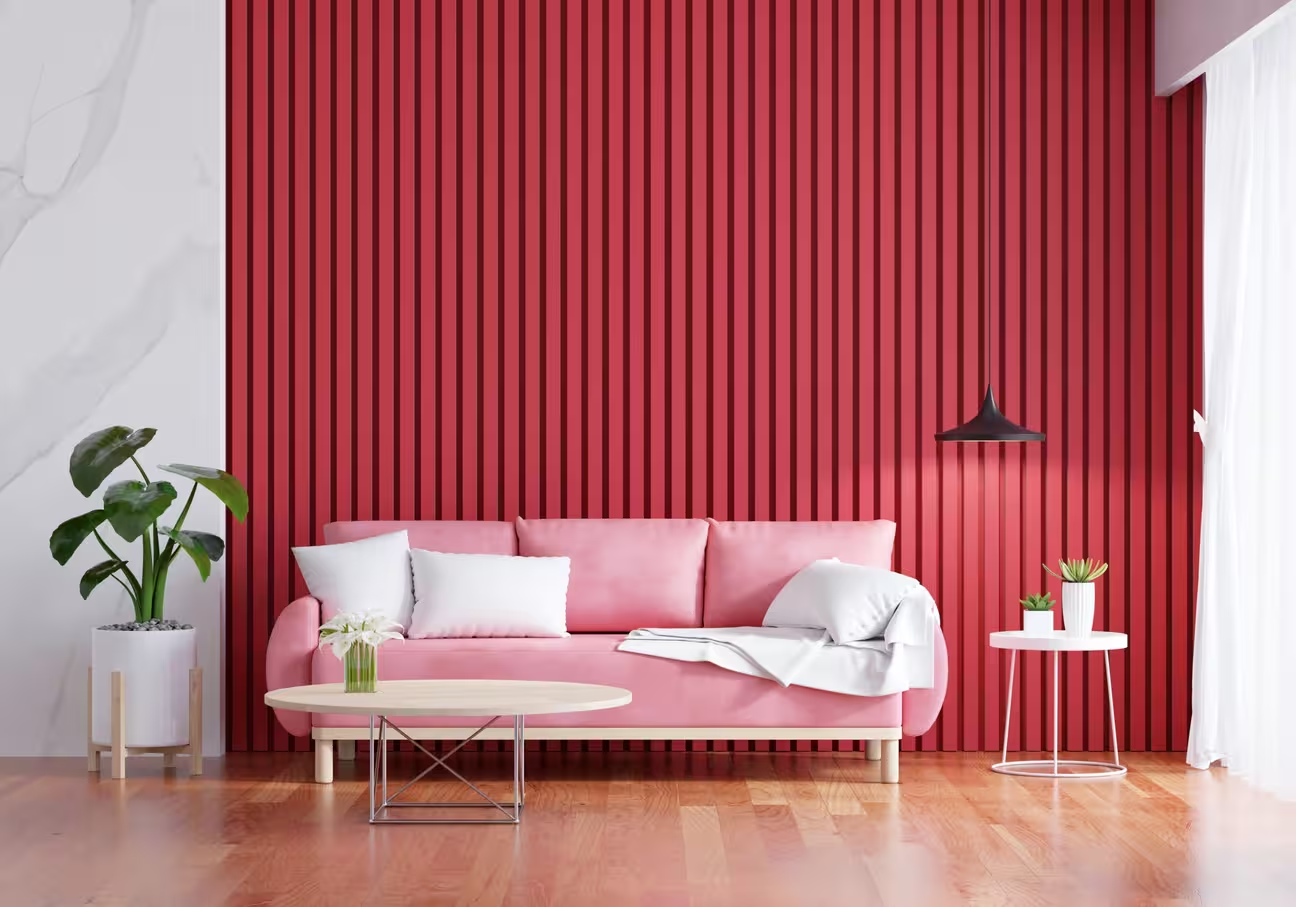
The most popular approaches for a bold accent wall:
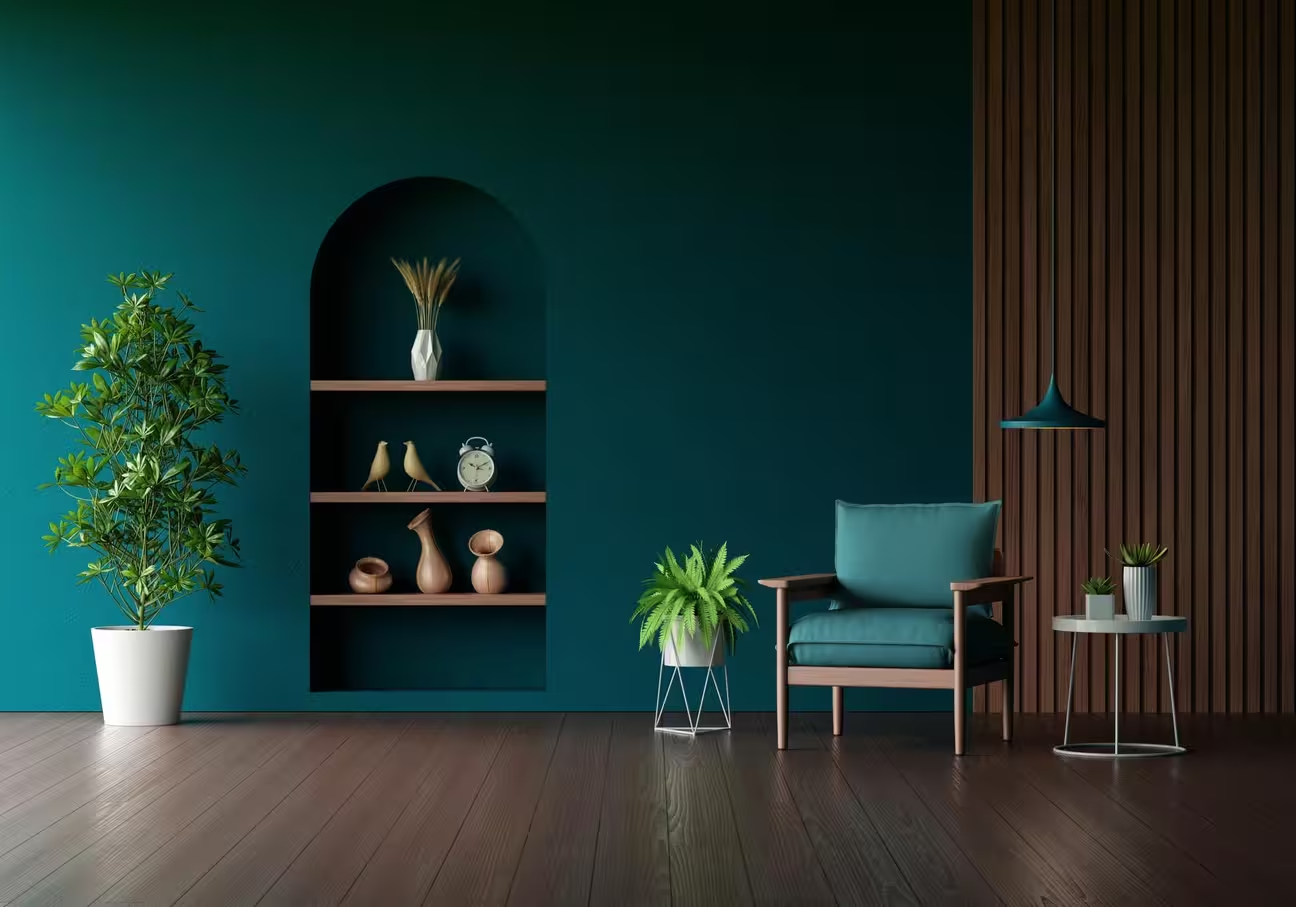
- Paint. A deep, saturated tone like forest green, navy blue, terracotta, or charcoal creates immediate impact. In 2026, color drenching is a growing trend where the same shade extends to the trim and ceiling for a fully immersive effect. Architectural Digest covers this shift in detail, including the specific paint families designers are reaching for this year.
- Wallpaper. Botanical prints, geometric patterns, and textured wallpapers all work well on a single feature wall. Choose a scale that suits the room. Large patterns suit bigger walls; smaller prints work better in compact spaces.
- Wood panelling. Shiplap, slat panels, or board and batten add texture and warmth. They work particularly well behind a sofa or TV unit and pair naturally with neutral furniture.
- Exposed brick or stone. If your space has an existing brick or stone surface, leave it bare. It adds character and a sense of history that no paint color can replicate.
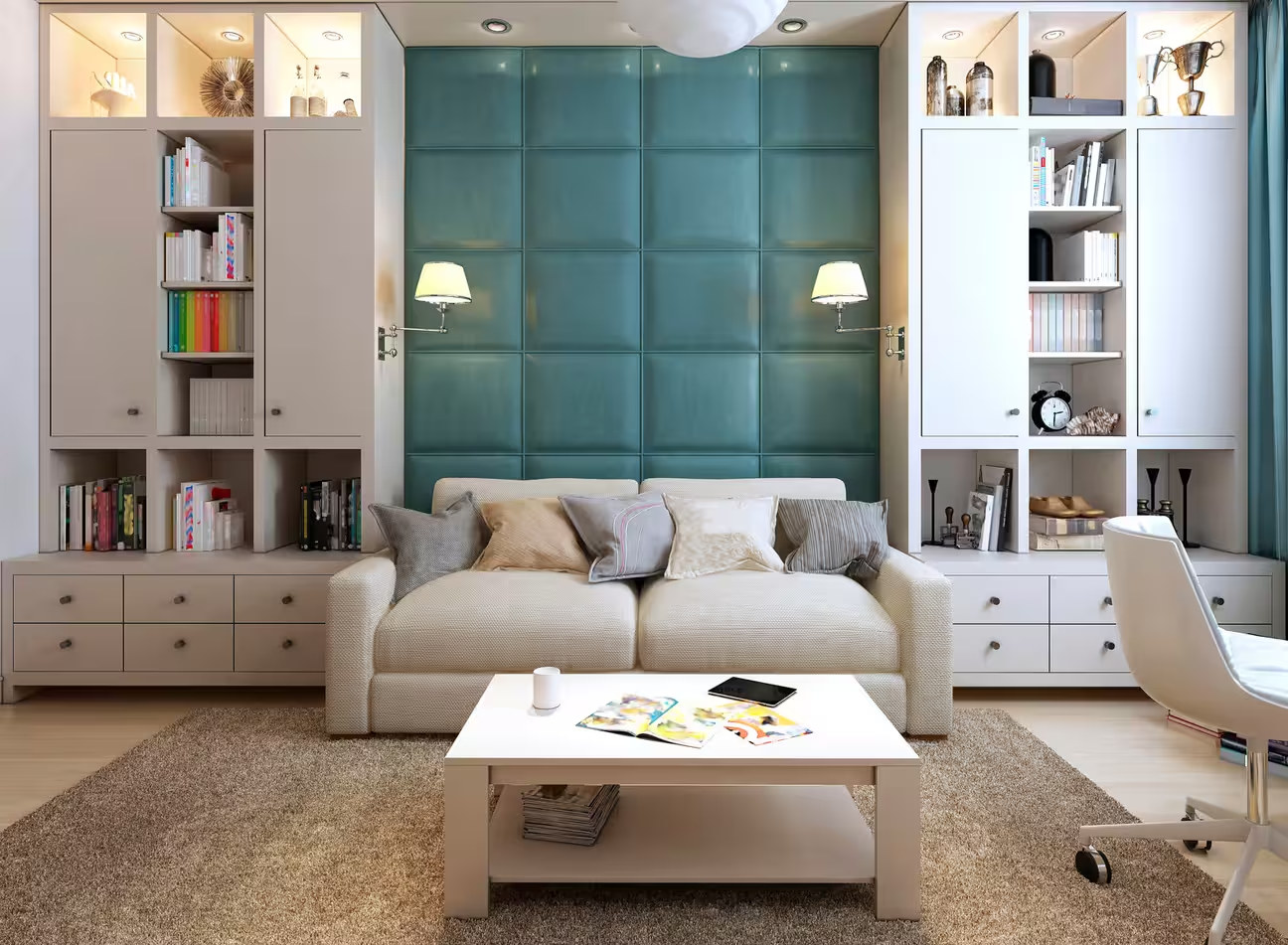
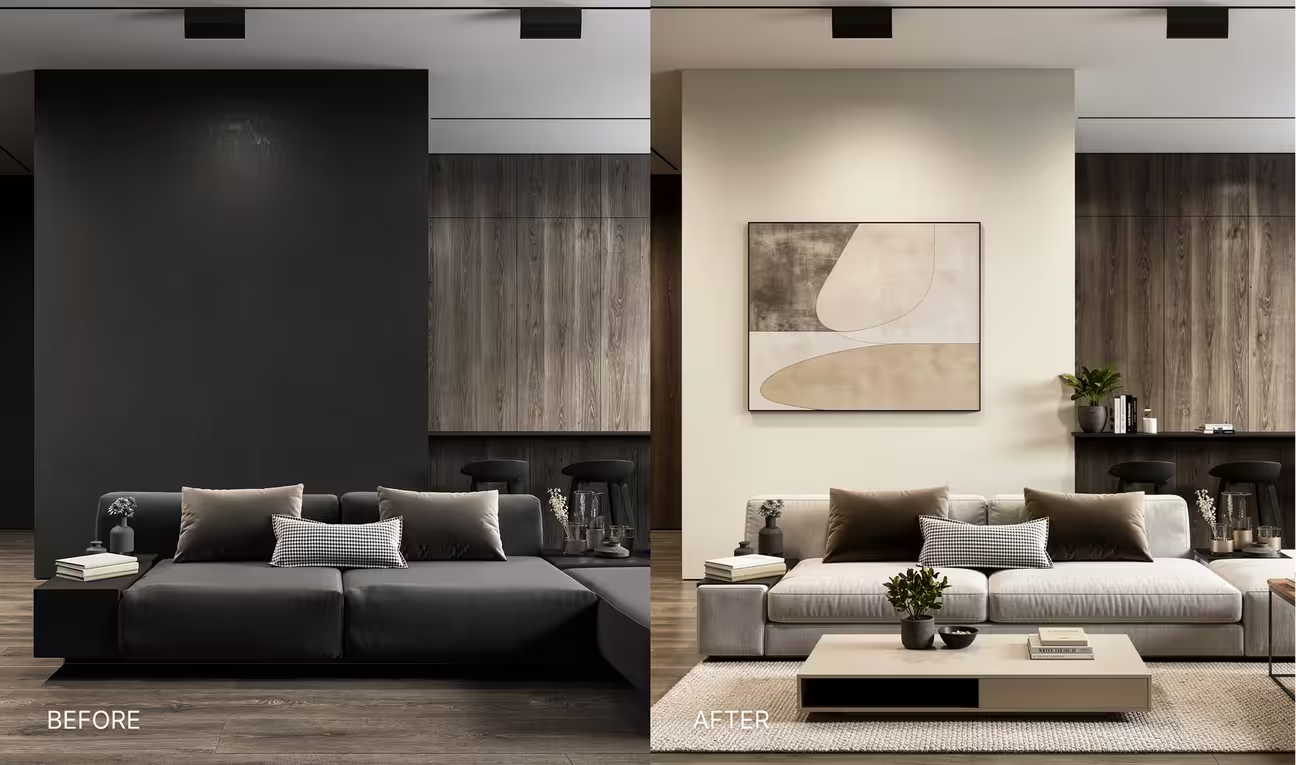
Once you have chosen the treatment, balance is everything. A bold wall needs quiet furniture around it. Pair a dark painted wall with a light neutral sofa and simple accessories. Let the wall do the talking and keep everything else calm.
Multi-Functional Furniture Ideas for the Living Room
Picture this: a friend drops by unannounced, you need a coffee table, extra seating, and somewhere to stash the clutter from the sofa, all at once. One well-chosen ottoman handles all three. That is the quiet power of multi-functional furniture. It does not announce itself. It just makes the room work better every single day.
The best options for living rooms:
- Storage ottomans. These work as a coffee table, extra seating, and hidden storage all at once. Choose an upholstered version in a neutral tone, and it disappears into the room while doing three jobs.
- Sofa beds. A well-designed sofa bed looks identical to a standard sofa during the day. For anyone without a dedicated guest room, it removes the need for an extra bed entirely.
- Nesting tables. Two or three tables that tuck under each other take up the footprint of one when not in use. Pull them out when you need extra surface space for guests or a movie night.
- Shelving units with closed storage. Open shelves display, closed cabinets conceal. A unit that combines both keeps the room looking organized while giving you somewhere to store items you do not want on show.
- Lift-top coffee tables. The surface raises to dining or working height, turning your sofa into a comfortable workspace or dining spot without a separate table.
Multi-functional furniture works best when it does not look functional. The best pieces blend into the room’s aesthetic so completely that the storage or convertibility feels like a bonus rather than the point.
How to Bring Nature Into Your Living Room Interior Design
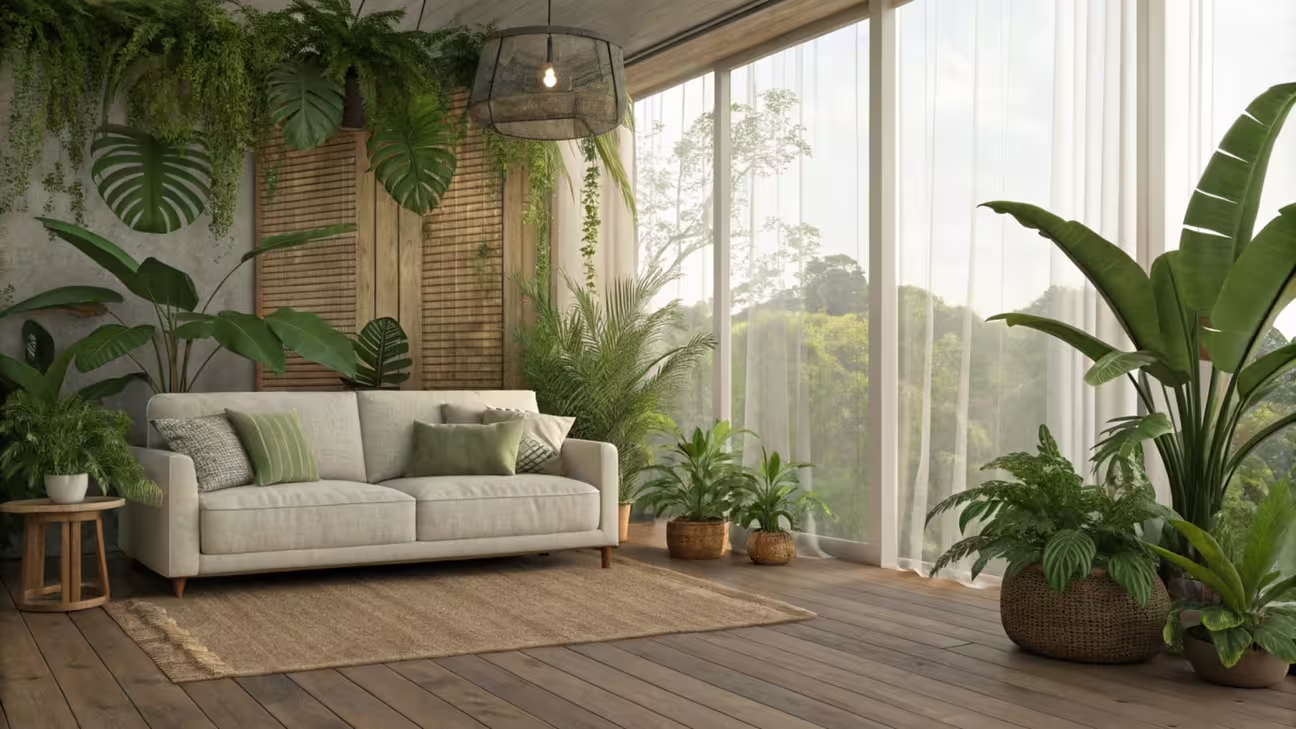
Adding natural elements to a living room changes how the space feels before you even register why. Plants, natural materials, and organic textures introduce a sense of calm that manufactured finishes rarely achieve on their own.
Indoor plants are the most immediate way to start:
- Fiddle leaf figs. Tall, architectural, and striking. A single fiddle leaf fig in a corner fills vertical space and adds a sculptural quality to the room.
- Snake plants. Low maintenance and upright in form. They work well beside a sofa or in a narrow corner where other plants would not fit.
- Pothos and trailing vines. Ideal for shelves and high surfaces. They spill downward naturally and add movement to an otherwise static display.
- Olive trees. An increasingly popular choice for living rooms. They bring a Mediterranean warmth and work particularly well in rooms with plenty of natural light.
Beyond plants, natural materials carry the same grounding effect:
- Rattan and wicker. Use in side tables, baskets, or pendant light shades for an organic texture that contrasts well with softer fabrics.
- Reclaimed wood. A reclaimed wood coffee table or shelving unit adds warmth and a sense of history that new furniture rarely replicates.
- Linen and cotton. Natural fiber cushions and curtains breathe better than synthetic alternatives and age more gracefully over time.
The goal is not to turn your living room into a greenhouse. One or two well-placed plants combined with a natural material or two is enough to shift the atmosphere of the entire room.
Living Room Wall Art Ideas That Actually Work
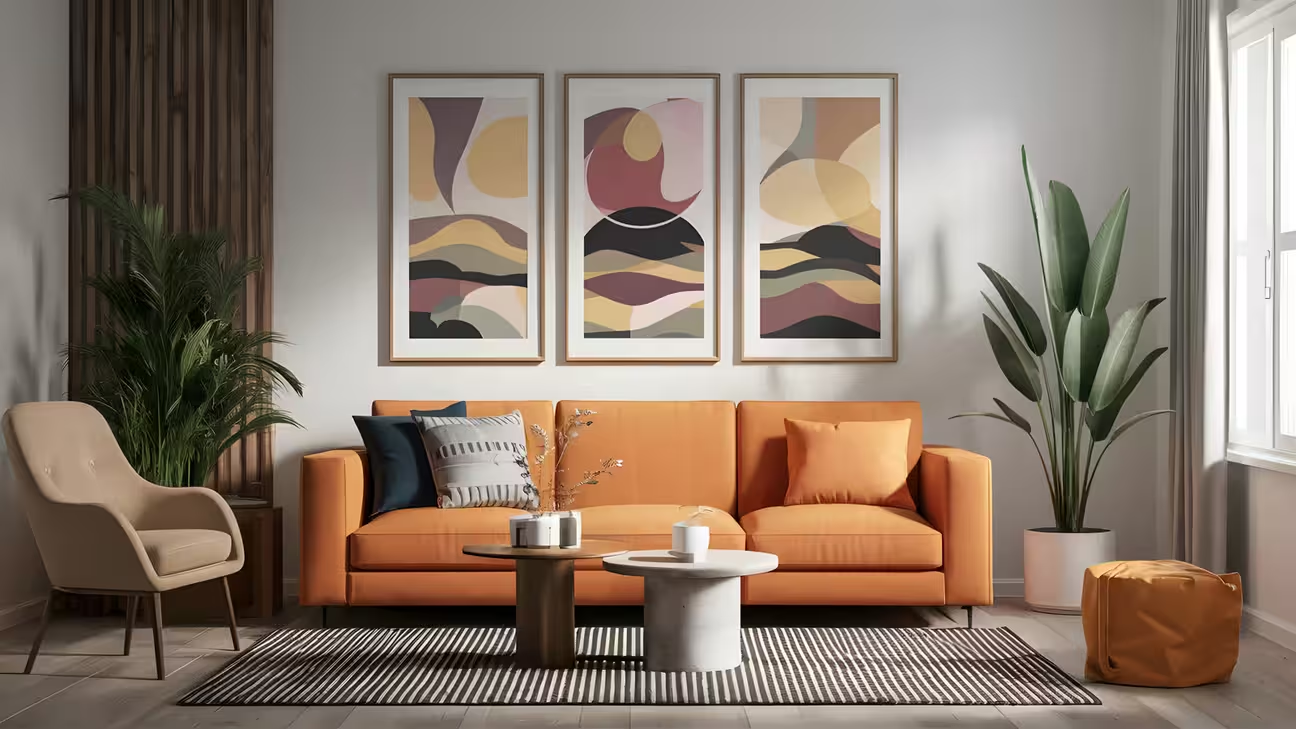
Art is the fastest way to make a living room feel personal. The right piece or arrangement tells you something about the people who live there in a way that furniture alone never can.
The most effective approaches:
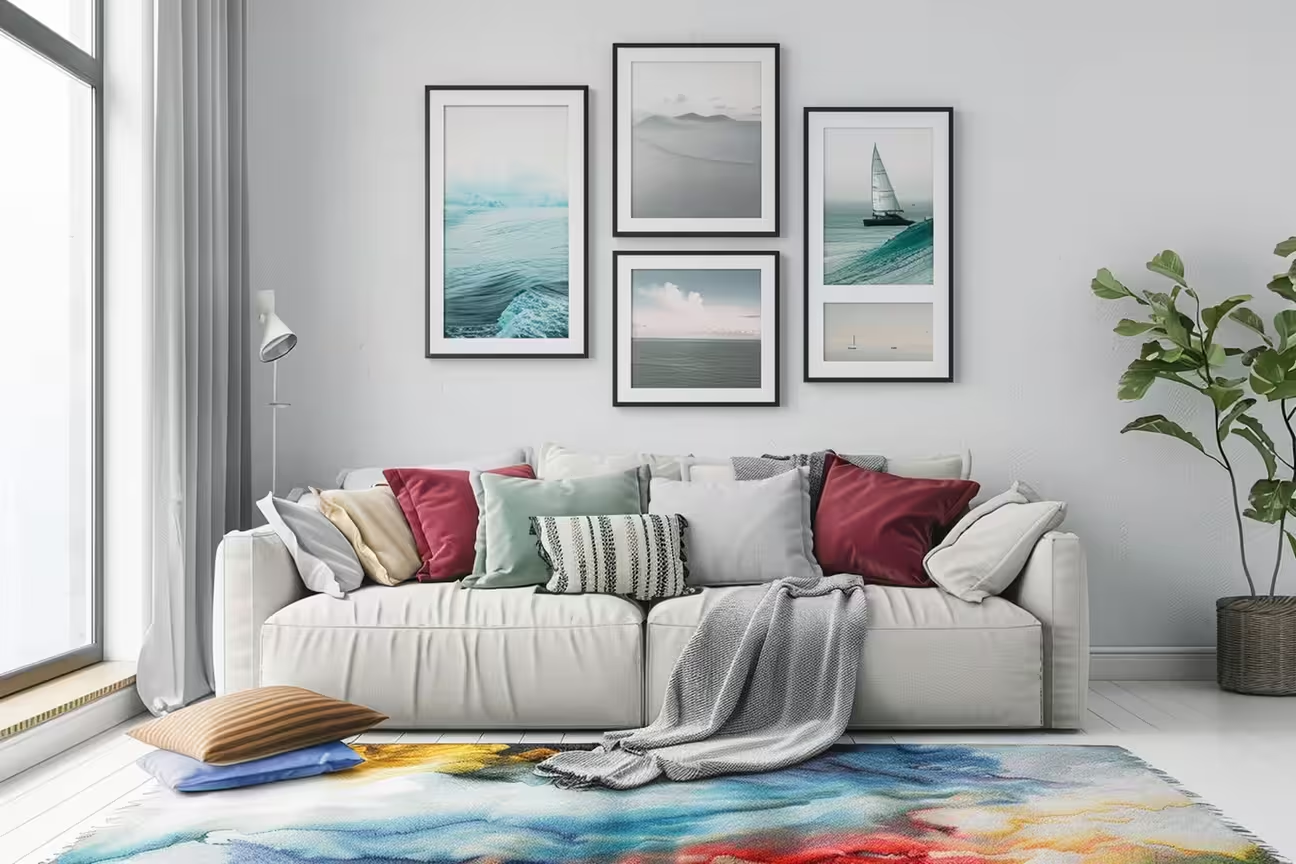
- Gallery walls. A curated mix of frames in different sizes creates a collected, lived-in feel. The key is a consistent element that ties everything together, whether that is frame color, mat style, or a shared color palette across the prints themselves.
- Oversized single canvas. One large piece above a sofa or fireplace anchors the room immediately. It works best when the canvas width sits within the width of the furniture below it; roughly two-thirds of the sofa length is the standard guide.
- Sculptural wall pieces. Woven wall hangings, ceramic plates, or metal reliefs add texture to a wall that a flat canvas cannot. They work particularly well in rooms that already have a strong material story on the floor and furniture.
- Leaning art. Propping a large canvas or framed print against the wall rather than hanging it feels relaxed and intentional at the same time. It also makes it easy to swap pieces without putting new holes in the wall.
- Mix old and new. Pairing an abstract modern print with an antique frame, or a classical landscape with a contemporary mounting style, creates a visual tension that makes the arrangement more interesting than a perfectly matched set.
Color coordination matters, but does not need to be exact. Pulling one tone from the artwork into a cushion or throw nearby is enough to make the room feel considered without looking overly styled.
How to Choose a Color Scheme for Your Living Room
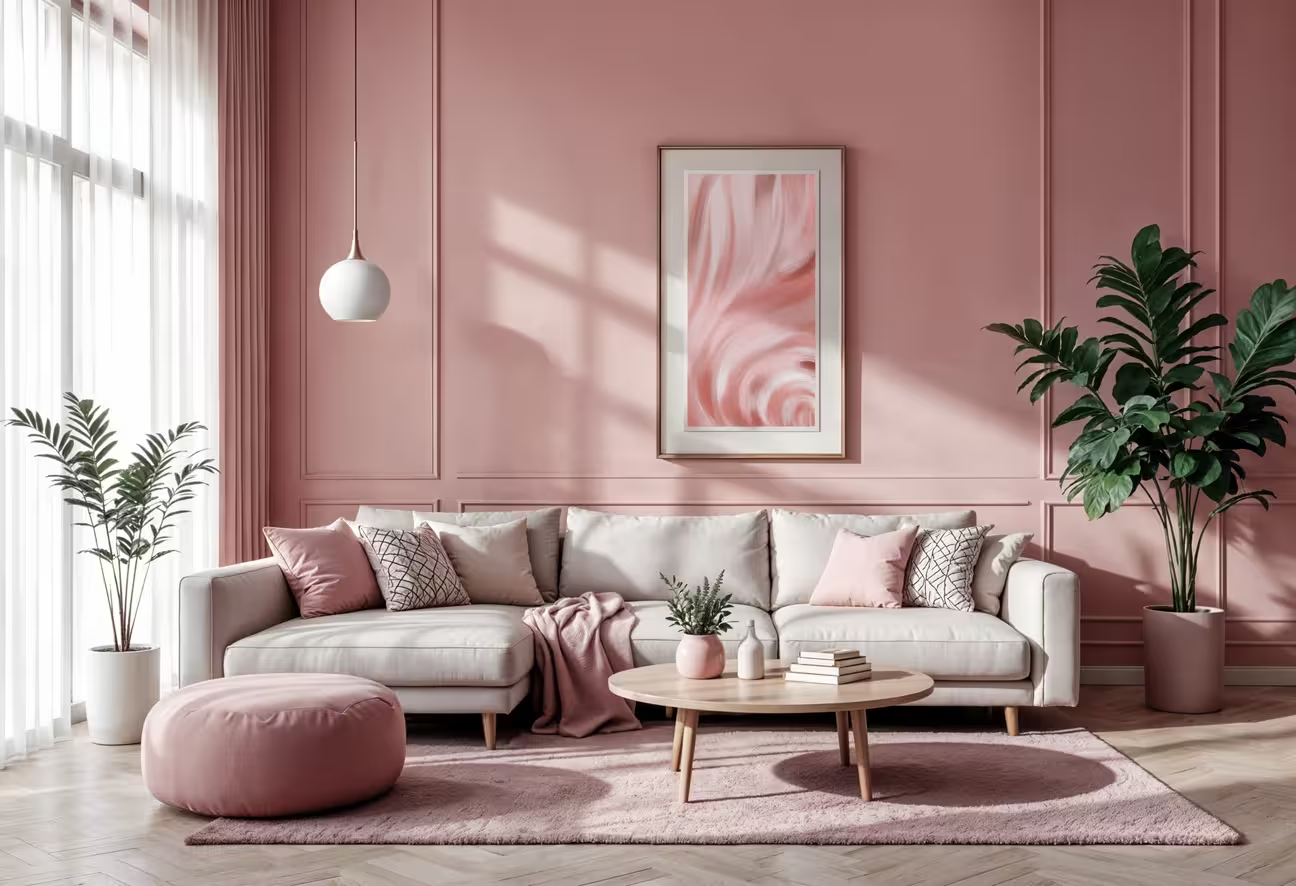
A living room color scheme is not just about picking shades you like. It is about choosing colors that work together across walls, furniture, and accessories to create a consistent mood throughout the space.
Start with a base, a mid-tone, and an accent:
- Base color. This covers the largest surface areas, typically the walls and the sofa. Neutral tones like warm white, soft beige, and light gray give you the most flexibility to build around.
- Mid-tone color. This bridges the base and the accent. It appears in rugs, curtains, and larger accessories. Earthy tones like terracotta, sage green, and dusty blue are doing a lot of work in living rooms in 2026.
- Accent color. This is the smallest quantity but the most deliberate. Cushions, vases, artwork, and throws carry the accent. It should contrast just enough to create interest without competing with everything else.
Some combinations that work particularly well right now:
- Warm white and terracotta. Grounded and earthy without feeling heavy.
- Soft gray and blush pink. Quiet and romantic, it works well in rooms with natural light.
- Beige and black. Clean and timeless. The contrast does the work without needing a third color.
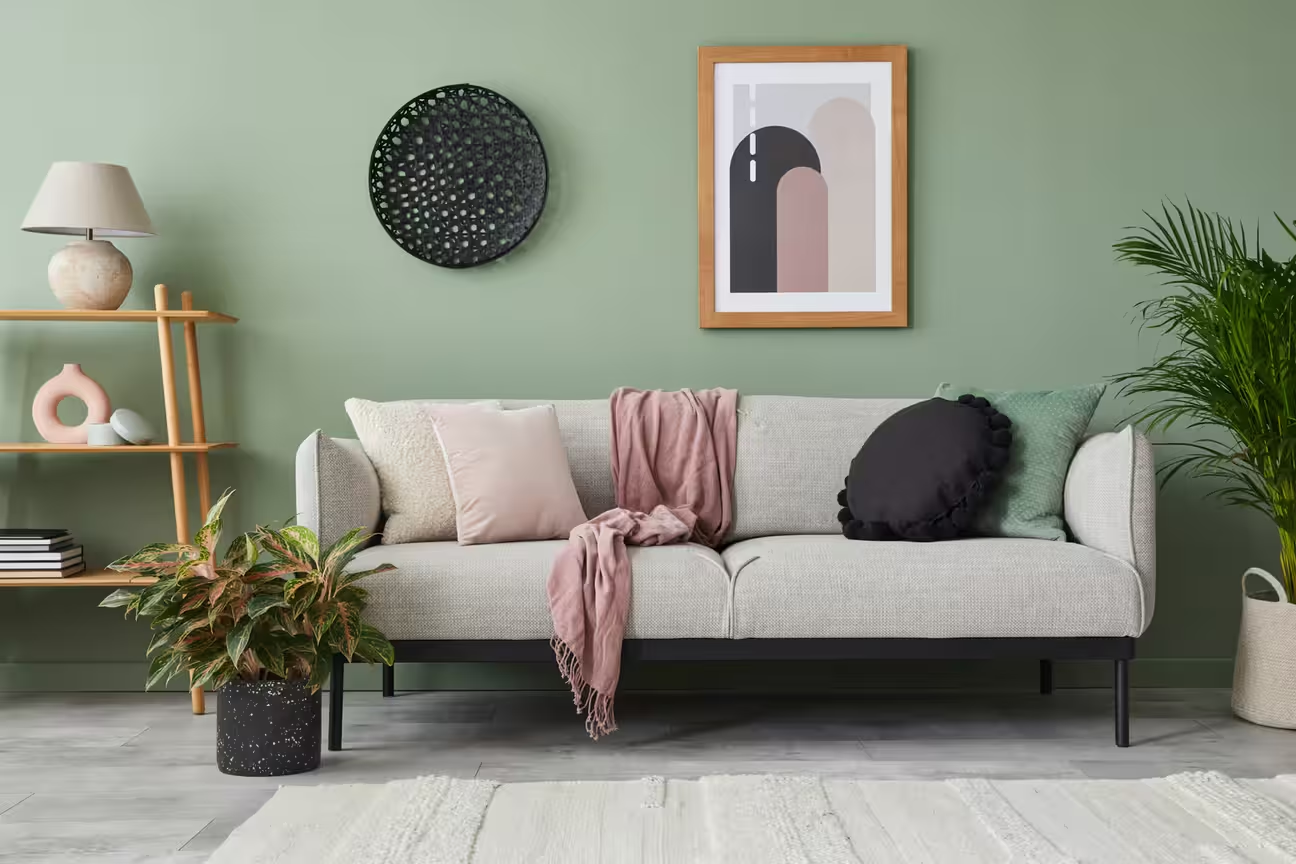
- Olive green and cream. Warm and nature-inspired, it pairs well with wood and rattan furniture.
- Navy blue and brass. Rich and considered. Works best in rooms with higher ceilings and darker flooring.
If you are unsure how a color scheme will look in your actual space, upload a photo of your living room to DecorAI and generate a redesign in your chosen palette before committing to a single can of paint.
How to Design a Small Living Room
A small living room does not have to feel cramped. The right design decisions can make a compact space feel open, functional, and just as spacious as a larger room. The key is working with the space rather than against it.
Start with color and light:
- Use light colors on walls and ceilings. Warm whites, soft creams, and pale grays reflect natural light and push the walls back visually. A dark ceiling in a small room makes it feel lower. A light one makes it feel taller.
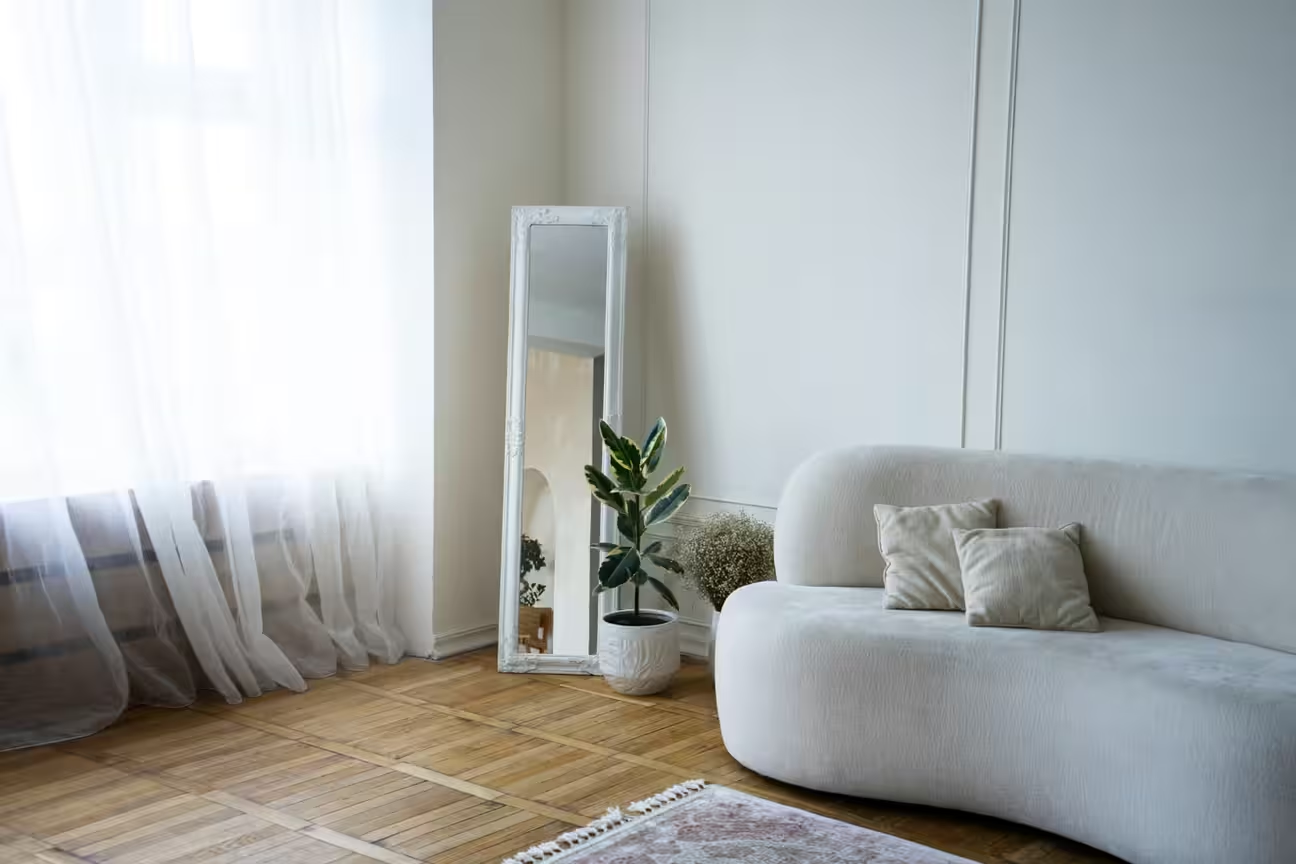
- Maximize natural light. Keep window treatments simple. Sheer curtains or bare windows let in as much light as possible, which is the single biggest factor in making a small room feel larger.
- Add mirrors strategically. A large mirror on the wall opposite a window doubles the light in the room and creates the illusion of depth, a technique widely endorsed by professional interior designers. Apartment Therapy covers several variations of this approach for compact spaces.
The goal in a small living room is not to fit everything in. It is to include only what the room needs and give each piece enough space to be noticed.
How Technology Fits Into a Modern Living Room
The best smart technology in a living room is the kind you barely notice. It works in the background, making the space more comfortable and functional without turning the room into a showroom for gadgets.
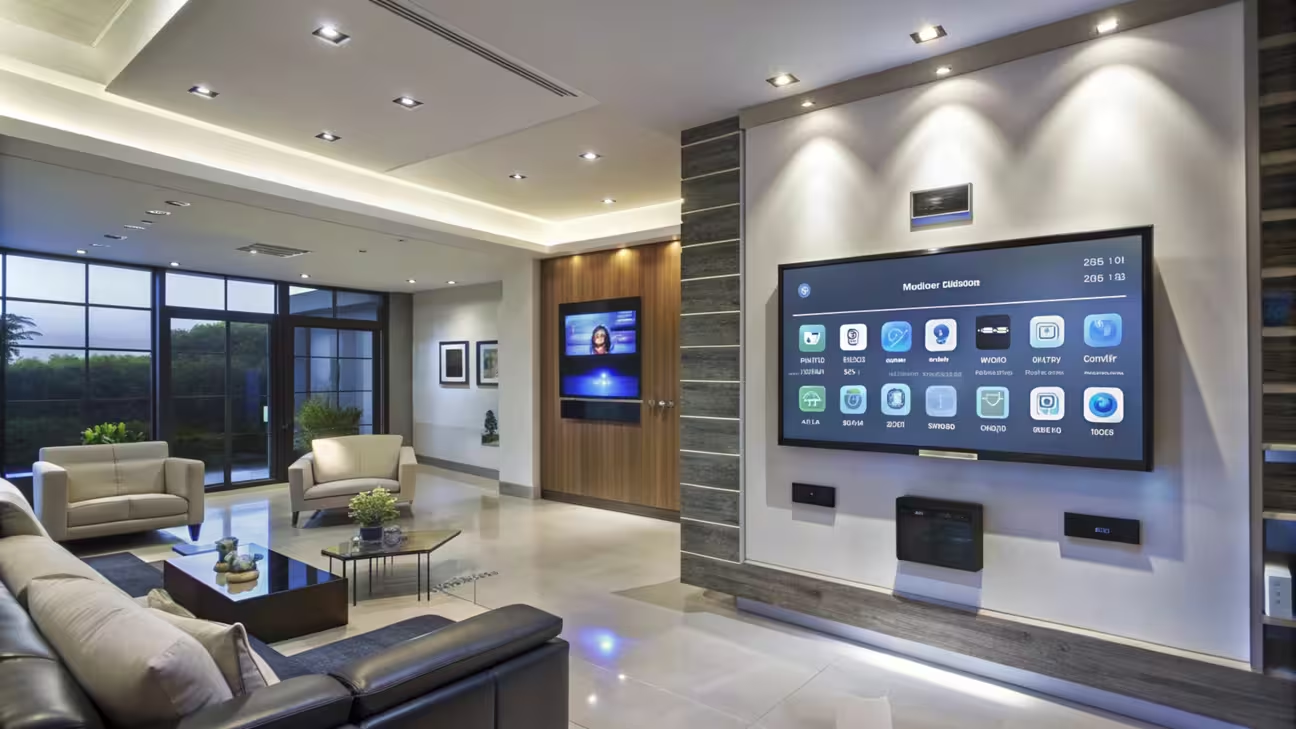
The starting point is managing cables and screens:
- Wall-mounted TVs with hidden cables. A TV mounted flush to the wall with cables run through the wall behind it removes visual clutter instantly. Paired with a slim media unit below, it keeps the focus on the room rather than the technology.
- Built-in speakers. Speakers integrated into bookshelves or mounted flush to the wall deliver sound without the visual weight of freestanding units. Some systems are virtually invisible once installed.
- Charging ports in furniture. Side tables and sofas with built-in USB ports and wireless charging pads remove the need for trailing cables across the floor.
Once the basics are clean, smart controls add real day-to-day value:
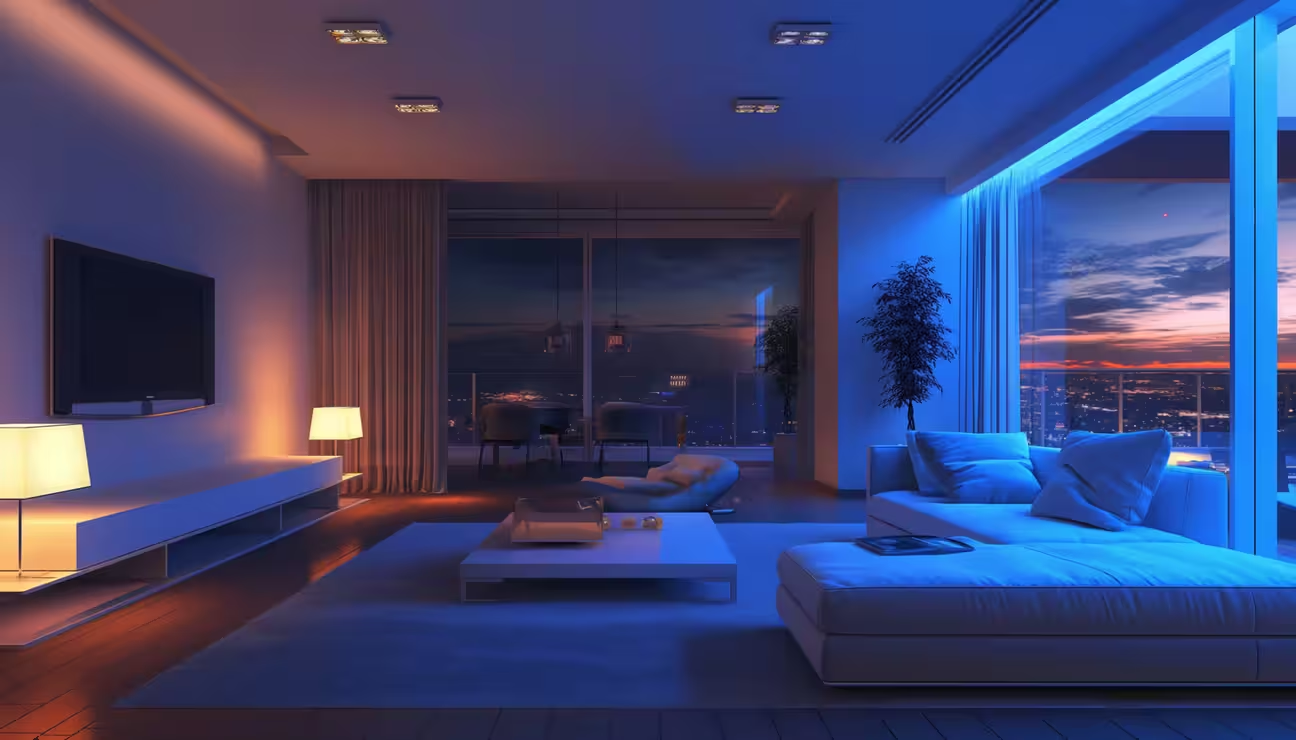
- Smart lighting. Bulbs and fixtures connected to your phone or a voice assistant let you set the right mood for any moment without getting up. Dim for a movie, bright for reading, warm for an evening with guests.
- Motorized window treatments. Blinds and curtains that open and close on a schedule or with a voice command make a significant difference in how the room feels throughout the day.
- Smart thermostats. A thermostat that learns your schedule keeps the living room at the right temperature without manual adjustment.
The rule with technology in a living room is simple. If it is visible, it should look intentional. If it is functional, it should be hidden. Every piece of technology that earns a place in the room should make the space easier to live in, not harder to look at.
How to Plan Your Living Room Interior Design Before You Buy Anything
The biggest mistake in living room design is buying furniture before you have a clear plan. A sofa that looks perfect in a showroom can overwhelm a room once it is in a home. Planning before purchasing saves money, time, and the frustration of starting over.
Start with measurements:
- Measure the room first. Note the length, width, and ceiling height. Mark where the doors, windows, and any fixed features like fireplaces or radiators sit. These define what is possible before you look at a single piece of furniture.
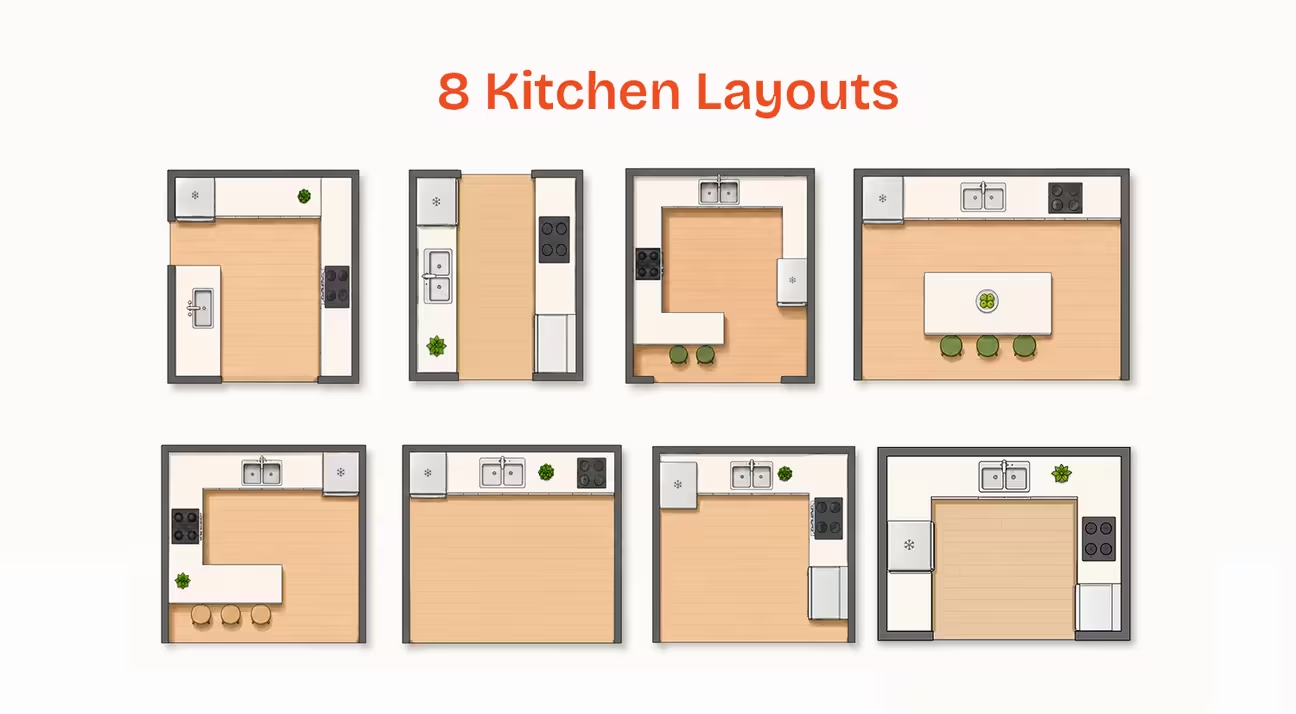
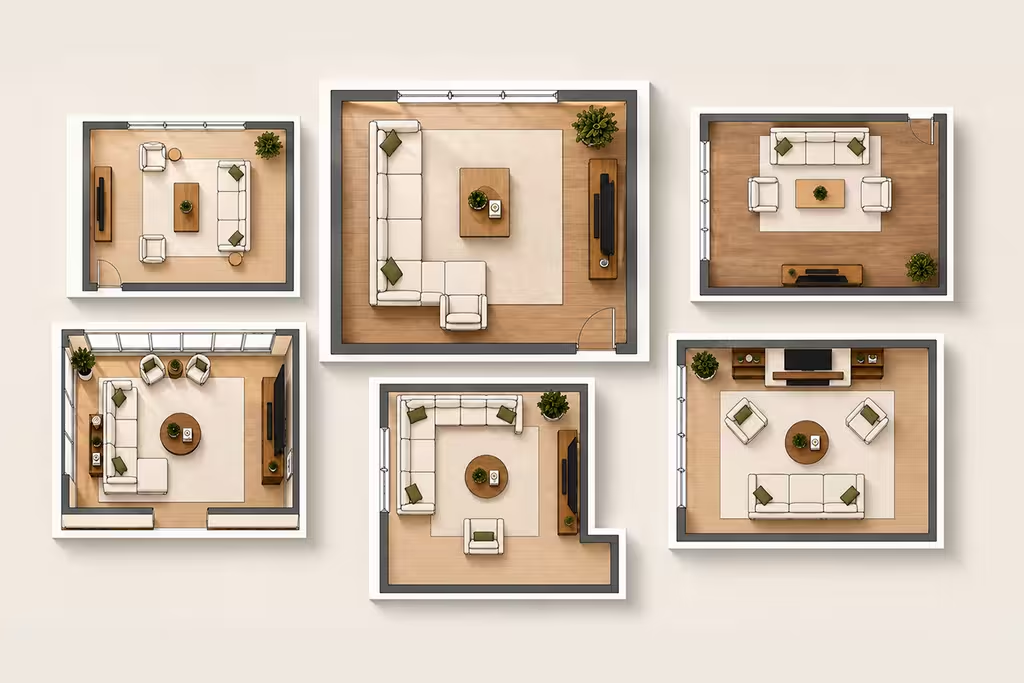
- Map out a floor plan. Sketch the room to scale on paper or use a free online floor plan tool. Place furniture outlines in the space to see how much room is left for movement. A standard sofa is roughly 84 inches wide. A coffee table needs at least 18 inches of clearance from the sofa edge.
- Define traffic flow. Every seating area needs a clear path in and out. If you have to squeeze past furniture to reach a seat, the layout needs adjusting.
Then define the brief:
- Decide on a primary function. Is the room mainly for relaxing, entertaining, working, or a combination? The function determines the furniture priorities.
- Set a realistic budget before you shop. Divide it across categories: sofa, storage, lighting, and accessories. Knowing what each category can spend stops impulse purchases from throwing the whole plan off.
- Choose a style direction early. Pick two or three reference images that represent the look you want before shopping. It makes every decision faster and keeps the room coherent.
DIY Living Room Interior Design Tips That Save You Money
Designing your living room yourself does not mean compromising on the result. With the right approach, a DIY design plan can look just as considered as one put together by a professional, at a fraction of the cost.
Here is how to approach it:
- Set a budget before you buy anything. Divide it across categories: sofa, rug, lighting, and accessories. Knowing the ceiling for each category stops one purchase from derailing the entire plan.
- Save design inspiration before making decisions. Collect images from Pinterest, design blogs, and room galleries that represent the look you want. When a clear pattern emerges across your saved images, that is your style direction.
- Measure your room and map out zones. Define a seating zone, a storage zone, and a circulation path before placing a single piece of furniture. A room that is zoned well feels intentional even when the furniture is simple.
- Invest in one or two statement pieces first. A well-chosen sofa or a distinctive light fixture anchors the room and makes every other decision easier. Build around the statement piece rather than trying to make everything equally important.
- Mix high-end items with affordable accents. Spend where it matters most, typically the sofa, the rug, and the lighting, and save on accessories, cushions, and decorative items. The contrast between a quality piece and affordable styling around it is rarely noticeable.
- Create a mood board before committing. Arrange your inspiration images, fabric swatches, and paint samples together in one place. Seeing everything side by side reveals whether the choices work as a whole before you spend anything.
The most expensive mistake in DIY design is buying without a plan. Every item purchased before the brief is clear is a potential return, a wasted trip, or a piece that never quite fits.
How to Design Living Room Interiors Using DecorAI
DecorAI lets you upload a photo of your living room and generate a complete redesign in seconds. Instead of imagining how a style or color scheme might look, you can see it applied to your actual space before changing anything. Here’s how:
- Upload a photo of your living room – Take a clear photo from a corner or doorway so the full space is visible. Upload it directly or paste the image URL.
- Select Room Redesign – Choose the Room Redesign tool from the DecorAI dashboard. This is the primary tool for generating a full living room transformation.
- Choose your style and settings – After selecting the Space as Living Room, select a design style such as minimalist, Scandinavian, or modern.
- Lock Object – Select the detected object AI should preserve and avoid changing during redesign.
- Furniture Handling – Keep existing furniture or choose which visible furniture types AI can rearrange or replace
- Generate your redesign – DecorAI produces up to 4 design variations in seconds, each applying your chosen style across the walls, furniture, lighting, and accessories.
Ready to redesign your living room with DecorAI?
Upload one photo. See your space redesigned in seconds.
No design experience needed.
FAQ About Living Room Interior Design
What is the most important element in living room interior design?
Layout is the most important element. A well-planned layout determines how the room flows, how furniture relates to each other, and how comfortable the space feels to live in. Color, lighting, and accessories all support the layout, but no amount of styling fixes a room where the furniture placement does not work.
What are the living room interior design trends for 2026?
The dominant trends in 2026 include quiet luxury, color-drenching, modular furniture systems, mismatched seating arrangements, and nature-inspired materials like rattan, reclaimed wood, and plant-dyed fabrics. The overall direction is toward spaces that feel collected and personal rather than showroom-perfect.
What is Art Deco interior design in a living room?
Art Deco is a design style from the 1920s and 1930s defined by bold geometric patterns, rich jewel-tone colors, metallic finishes, and luxurious materials like velvet, marble, and lacquered wood. In a living room, it typically includes statement furniture with strong silhouettes, gold or brass accents, mirrored surfaces, and deep colors like emerald green, navy, or burgundy. It is a high-contrast, highly decorative style suited to rooms with high ceilings and good natural light.
How do I choose a color scheme for my living room?
Start with a base color for your walls and sofa, a mid-tone for rugs and curtains, and an accent color for cushions, vases, and throws. Stick to two or three tones from the same color family. Warm whites, earthy terracottas, sage greens, and dusty blues are strong choices for living rooms in 2026.
How can I make my small living room look bigger?
Use light colors on walls and ceilings, maximize natural light with sheer curtains, and add a large mirror opposite a window to double the sense of depth. Choose furniture with slim legs and visible floor clearance, go vertical with storage, and keep the floor as clear as possible.
How do I start designing my living room from scratch?
Measure the room first and map out a floor plan to scale. Define how the room will be used, set a budget before shopping, and choose a style direction using reference images before making any purchases. Plan the layout on paper before buying a single piece of furniture.
Can I redesign my living room without hiring an interior designer?
Yes. Most living room redesigns can be done without a professional designer. Start with a clear brief, a mood board, and accurate room measurements. Free online floor plan tools help with layout planning. If you want to visualize how a specific style or color scheme will look in your actual space before committing, upload a photo to DecorAI and generate a redesign in seconds.
What colors are going out of style in living rooms in 2026?
Cool-toned grays, icy whites, and overly bright saturated hues are fading from living room design in 2026. Designers are moving toward warmer, more layered palettes with depth, earthy neutrals, warm whites with pink or red undertones, and rich greens with yellow or olive bases.